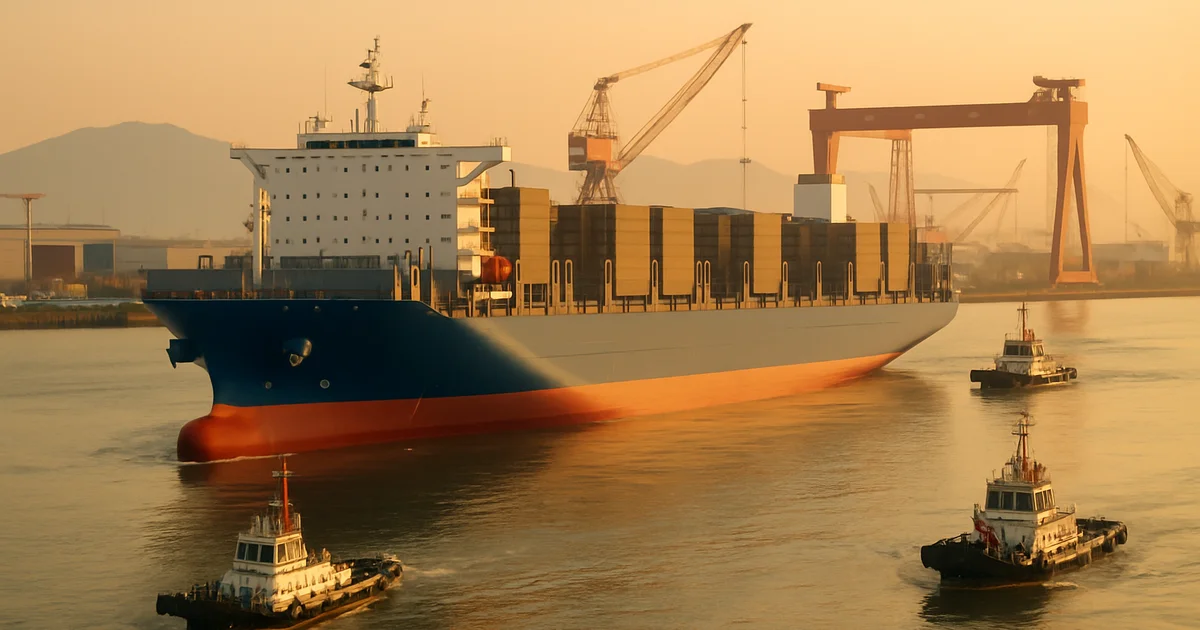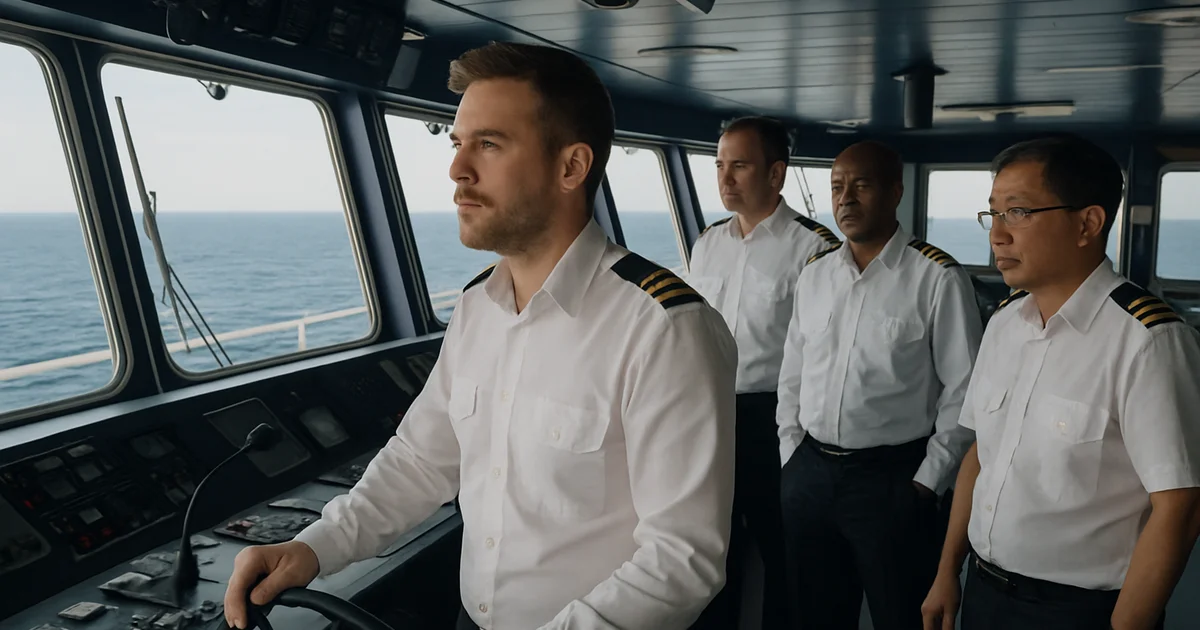
Meiji Shipping Group recently announced the deployment of a new crew communications platform across its fleet, as part of its digital transformation effort. The initiative involves integrating advanced communication technologies to enhance connectivity for crew members on board Meiji's vessels, irrespective of global location. The decision aligns with a growing industry trend toward improving maritime operational efficiency and crew welfare through digital solutions.
The new platform offers a suite of features designed to streamline communication channels between shore-based operations and seafarers. This includes real-time messaging capabilities, video conferencing, and access to digital documents. The deployment is seen as a move to bolster maritime communications, ensuring that crew members remain connected with operational headquarters as well as with their families, enhancing overall morale and productivity.
According to Mr. Hiroshi Yamashita, Chief Technology Officer at Meiji Shipping, the initiative is expected to address several challenges associated with maritime communications, which often suffer from latency and bandwidth limitations. By utilizing the latest satellite communication technologies, Meiji Shipping aims to mitigate these issues and provide reliable and consistent connectivity.
The wider industry context is one of rapid digital adoption, driven by competitive demands and regulatory requirements for enhanced safety and operational efficiency. With the implementation of this new platform, Meiji Shipping positions itself among several shipping companies that are embracing technological innovations to modernize fleet operations and improve quality of life at sea.
Why this matters
The deployment of a sophisticated crew communications platform by Meiji Shipping Group highlights a significant shift in the maritime industry towards digital solutions that enhance crew welfare and operational efficiency. This move is aligned with ongoing industry efforts to overcome the challenges of crew isolation by offering better connectivity. Moreover, the investment in satellite communication infrastructure illustrates a commitment to overcoming traditional hurdles associated with maritime communications, such as network latency and coverage issues.
For other operators, this development signals a growing recognition of the importance of advanced digital communications technologies in maintaining crew morale and streamlining operations. The convergence of operational technology (OT) with information technology (IT) surfaces risks related to cybersecurity and the need for robust protection measures against potential vulnerabilities. Additionally, operators may need to consider the return on investment in such technologies, balancing initial costs with the benefits of enhanced communication capabilities.
Regulatory frameworks, like the IMO’s 2021 cybersecurity guidelines, necessitate that maritime operators adopt secure communication practices. This regulatory pressure further emphasizes the need for improvements in onboard digital infrastructure, potentially driving similar initiatives across the industry.
As Meiji Shipping Group advances in its digital transformation journey, the maritime sector will be watching closely. The successful integration of this communication platform could pave the way for broader adoption and set a standard for technological enhancements in crew welfare and operational communications, encouraging further innovation and investment in maritime digital solutions.