Efforts to address gender imbalance in the maritime sector gained renewed urgency at a recent event hosted in the Philippines, where Norway advocated for increased female representation within the industry. Women currently constitute just 1.2% of the global seafarer workforce, highlighting the marked disparity in an occupation long dominated by men. With the maritime sector facing acute skills shortages, the inclusion of women has become not only a matter of equity but also a strategic imperative.
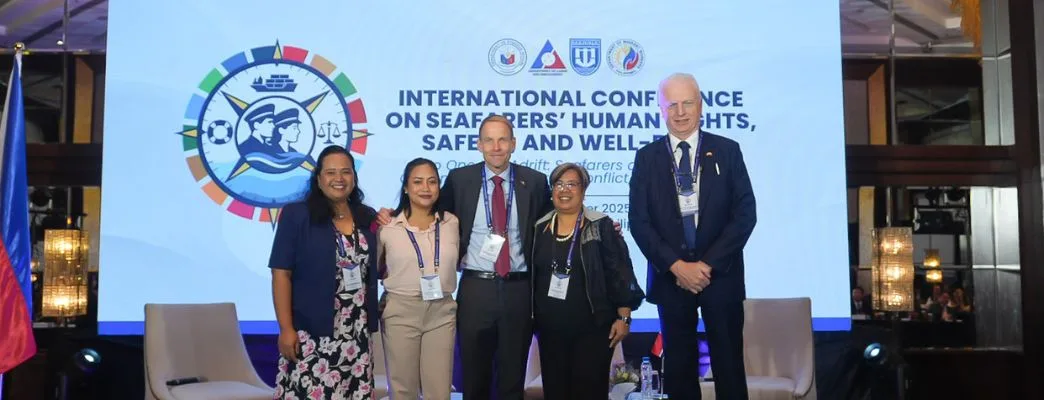
During the event, Christian Halaas Lyster, Norwegian Ambassador to the Philippines, emphasized the need for collective action to mainstream gender equality across maritime professions. Lyster highlighted the growing presence of women in leadership roles within the sector, spotlighting advancements made despite considerable challenges. The event hosted a panel of prominent female maritime leaders, including Knut Benzrod, Chief Operating Officer of the Norwegian Training Center; Mailyn Borillo, Managing Director and President of OSM Thome Philippines; and Daryl Sevilleno, President and General Manager of Solstad Management Philippines, Inc. These leaders recounted their professional trajectories and leadership experiences, underscoring the value of female representation in advancing the maritime industry.
Notably, Benzrod showcased ongoing efforts by the Norwegian Training Center to strengthen opportunities for women at sea through education. Since initiating its scholarship program in 1993, the center has awarded over 490 scholarships to female seafarers, equipping them with vital leadership and technical skills. Benzrod stressed the importance of raising awareness among young women regarding career pathways in seafaring, emphasizing that targeted outreach campaigns could improve awareness and interest in maritime professions.
Echoing similar sentiments, Borillo underscored that women — representing approximately half of the global population — comprise a largely untapped resource in the maritime workforce. Borillo proposed incentivizing companies within the private sector to develop and implement inclusive policies to accelerate progress. Meanwhile, Sevilleno advocated for workplace flexibility measures, enabling women to transition seamlessly from sea-based roles to shore-based positions, ensuring career longevity. Both leaders pointed out that fostering inclusion requires addressing safety concerns, including the physical and psychological wellbeing of female seafarers, as these factors influence recruitment and retention rates.
The panelists discussed best practices and actionable initiatives designed to empower women to overcome barriers in the maritime workplace. The collective goal is clear: to cultivate an inclusive maritime environment where diversity strengthens both equity and operational capability.
Why this matters
Increasing female representation within maritime professions carries significant operational implications for shipowners, operators, and training institutions. With the global seafarer workforce experiencing acute skills shortages, tapping into the underrepresented pool of female talent can alleviate capacity pressures and infuse the sector with new expertise. Enhanced diversity has been shown to improve problem-solving, collaboration, and innovation, benefiting vessel operations and corporate logistics.
For the private sector, adopting inclusive policies may drive competitiveness by expanding the recruitment pipeline and gaining access to a broader workforce. Incentivizing such measures could also help close gender gaps and improve the maritime sector's public image as an equitable and modern industry. Training institutions like the Norwegian Training Center play a pivotal role in bridging these gaps, as their decades-long scholarship initiatives demonstrate how educational outreach can reshape workforce demographics.
Operational safety adaptations onboard vessels tailored to female seafarers — addressing both physical and psychological needs — can mitigate attrition risks while ensuring career longevity. These measures also align with evolving regulatory demands and social expectations for workplace equity, underscoring their strategic necessity.
The advocacy for women’s inclusion in maritime is gaining traction globally, signaling a paradigm shift. Companies and training bodies that embrace this movement are likely to capitalize on both economic and reputational benefits, positioning themselves as leaders in a future-ready maritime landscape.