Asia's Container Port Delays Affect Over Half of Vessels
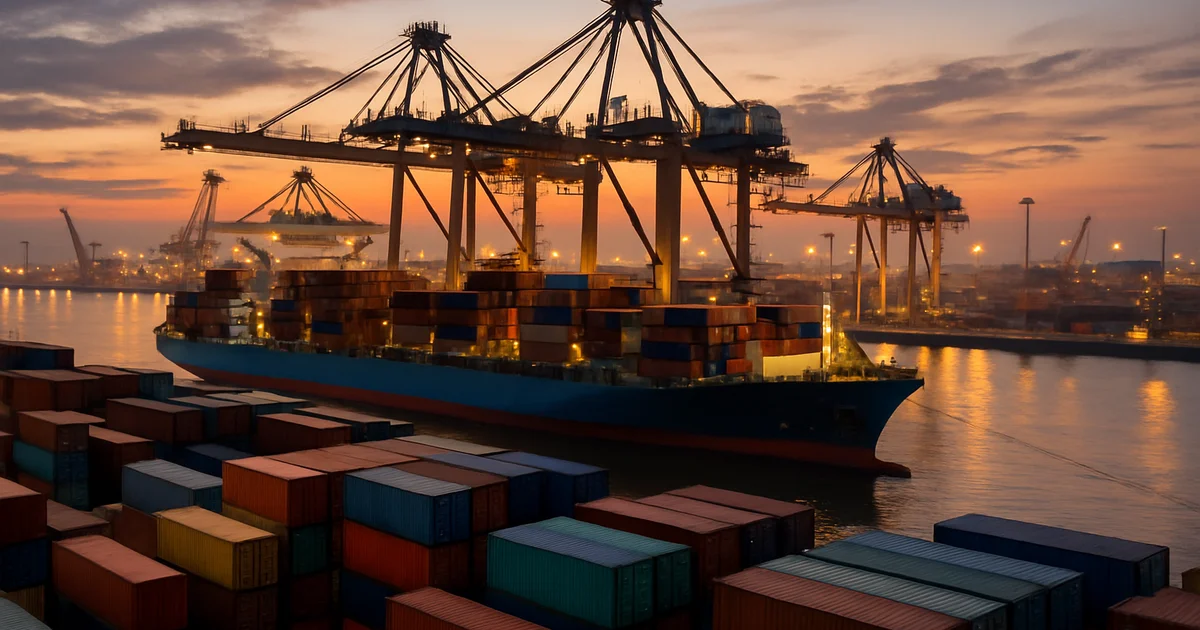
Seatrade Maritime News reports that more than 50% of vessels are currently experiencing delays at Asia's busiest container ports. This operational bottleneck is affecting cargo movement and causing significant disruptions in the shipping schedules across the region.
According to data gathered by the respective port authorities, these delays are attributed mainly to a combination of increased cargo volumes and inadequate port infrastructure to handle the surge efficiently. Larger-than-usual container volumes, coupled with seasonal demand peaks, have intensified port congestion.
Robert Chen, Chief Port Analyst at Pacific Ocean Data Solutions, indicates that container volumes have surged due to post-pandemic recovery demands and restocking activities by retailers. He pointed out that the undercapacity of port terminals to manage such spikes has resulted in extended vessel waiting times at berths.
The ports most affected by these delays include major hubs such as Shanghai, Singapore, and Busan, which are central nodes in global shipping lanes. The knock-on effects are exacerbating global supply chain issues, which are already under pressure from pandemic-related disruptions.
Why this matters
The delays at Asia's key container ports have significant implications for trade lanes, particularly those connecting to Europe and North America. Extended dwell times increase the cost of shipping and impact the reliability of supply chains, posing a risk to seasonal inventory availability for retailers and manufacturers relying on Just-In-Time delivery models.
For vessel operators, these delays affect scheduling and fleet utilization, potentially increasing operating costs due to more day rates and fuel consumption as ships remain idle outside congested ports. Charter rates and freight rates may be influenced as capacity is tied up longer than planned, impacting profitability and operational forecasting for shipping companies.
Port competitiveness is also in focus as shipping lines may reconsider routing strategies or shift volumes to other less congested ports if capacity and efficiency are not improved promptly. This could lead to long-term shifts in port hierarchies and service patterns, impacting regional port authorities' revenue from handling charges and related services.
Overall, the current congestion underscores vulnerabilities in port infrastructure and the critical need for investment in capacity enhancements and digital port solutions to boost efficiency and throughput.
Moving forward, stakeholders in the maritime industry will likely monitor these congestion issues closely and may prioritize infrastructure development projects to mitigate future risks. Ports need to evaluate their capacity handling capabilities to ensure that they can adapt to fluctuating trade volumes and maintain strategic importance in global shipping networks.