Seaborne coal trade has experienced a notable increase, driven in part by geopolitical tensions in and around the Strait of Hormuz that have influenced energy import decisions in Asia. As several Asian countries reassess their energy security amidst potential disruptions in liquefied natural gas (LNG) supplies, coal has reemerged as a viable alternative to meet energy demands.
Data compiled by industry analysts show a marked rise in the volumes of coal shipments to key Asian importing countries, including Japan, South Korea, and India. According to these reports, there has been a noticeable shift back to coal imports, predominantly originating from Australia, Indonesia, and Russia. This uptick coincides with a period of significant instability in traditional LNG supply routes, with particular attention on the security of the Strait of Hormuz, a critical passage for global energy shipment.
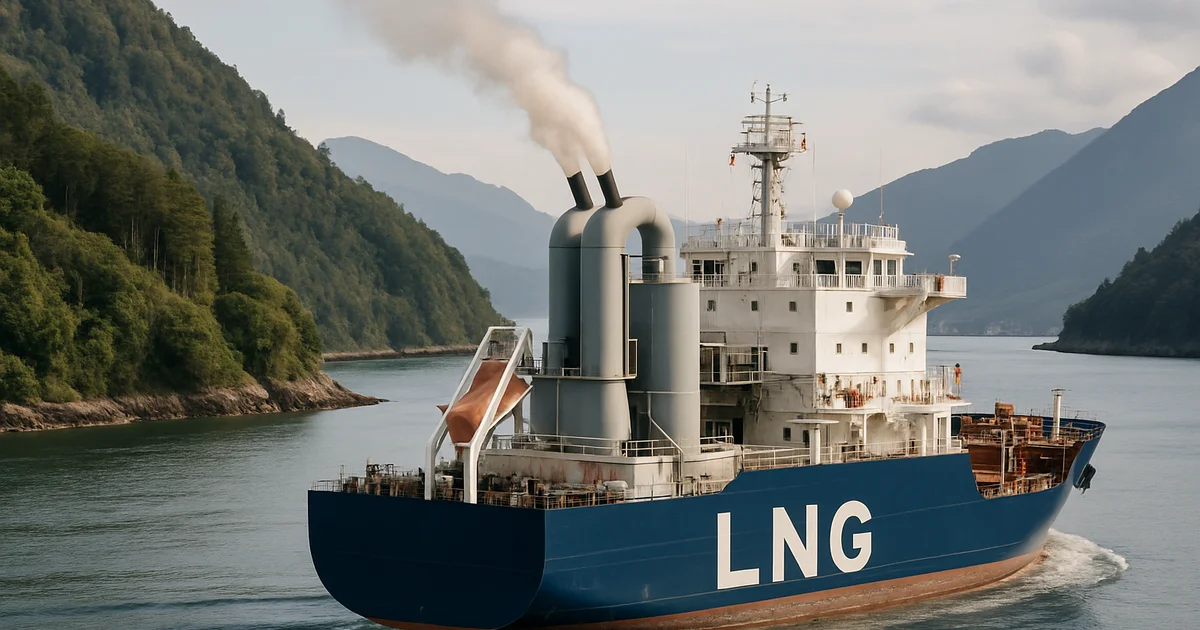
In recent months, LNG flows have faced uncertainties due to escalating geopolitical tensions in the Middle East, particularly those affecting the Strait of Hormuz, through which a substantial percentage of the world's LNG supply is transported. This has prompted Asian importers to secure alternative energy sources, primarily coal, to mitigate potential supply disruptions.
Industry experts, including environmental market analysts, note that while coal offers a more stable short-term supply solution, it comes with heightened environmental challenges and regulatory scrutiny. This reliance on coal corresponds with increased spot market activity at major coal shipping ports and a subsequent rise in vessel charter rates for bulk carriers specialized in coal transport.
Why this matters
The resurgence of coal imports among Asian economies reflects a strategic pivot towards fuel diversification amidst regional supply fears. For maritime operators, this shift results in increased freight demand for bulk carriers, specifically those capable of accommodating large quantities of coal. This shifting trade pattern has operational implications for ship operators needing to adapt to rapidly changing demand profiles.
From a regulatory standpoint, the pivot back to coal places pressure on policymakers to balance energy security with environmental commitments, particularly in addressing emissions and decarbonization targets. This development could influence future legislative measures within Asian importing nations.
Financially, shipping entities focused on dry bulk likely experience bolstered revenues due to increased chartering activities. For charterers, however, escalating rates pose a cost challenge, complicating budget forecasts in an already volatile energy market.
The operational transition from LNG to coal has implications extending beyond immediate supply concerns, necessitating long-term strategic responses from energy companies, ports, and transport operators.
Moving forward, the increased reliance on coal amid LNG supply instability signifies a complex landscape for maritime stakeholders. Shipowners and operators must stay attuned to evolving geopolitical developments and be prepared to respond rapidly to shifts in energy trade patterns, while considering the regulatory and environmental implications that such transitions entail.