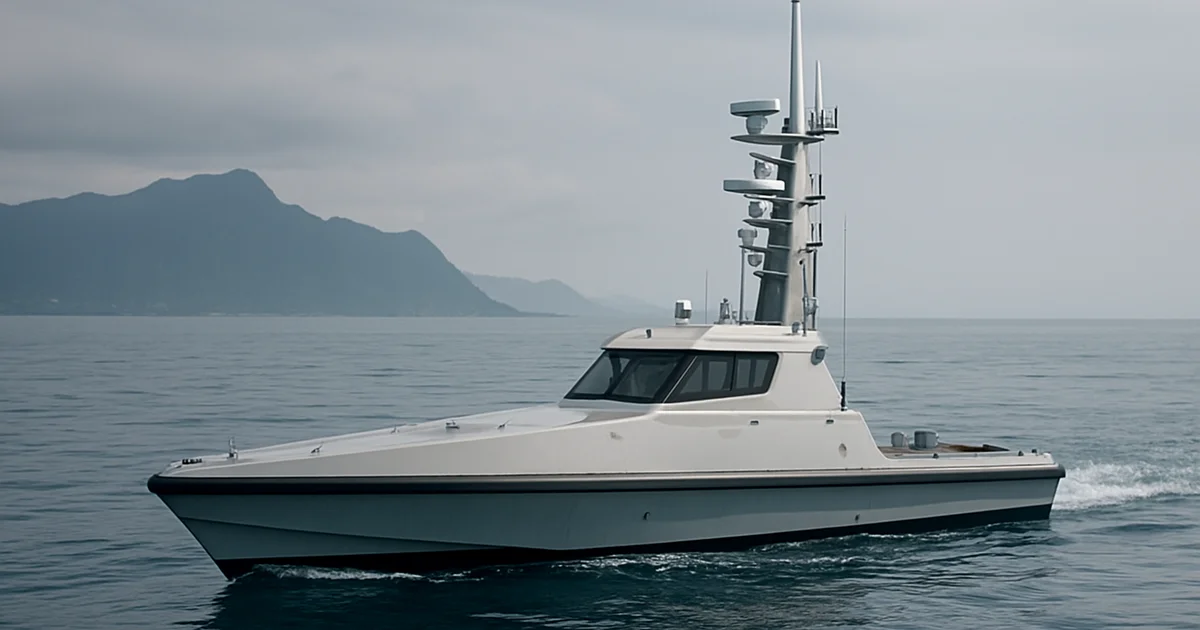
Taiwan has procured a series of unmanned surface vessels (USVs) from a US manufacturer, marking a significant step in its maritime defense strategy. The purchase of these advanced vessels is intended to strengthen Taiwan's naval capabilities amid rising regional tensions. The acquisition underscores the island's efforts to bolster its maritime defense system through innovative technology.
According to reports, the Taiwanese Ministry of National Defense has confirmed the procurement, emphasizing the strategic importance of the USVs in enhancing surveillance and reconnaissance capabilities. While specific details about the manufacturer and the exact number of vessels purchased have not been disclosed, the move signifies Taiwan's intent to integrate cutting-edge technology into its defense framework.
The new USVs are equipped with state-of-the-art surveillance systems, capable of autonomous operation in the vast maritime domain. These vessels are expected to operate in conjunction with Taiwan's existing naval fleet, providing real-time data and intelligence that will enhance situational awareness and operational efficiency. The deployment of unmanned technology aims to minimize human risk while extending the naval force's reach.
This strategic acquisition comes amid growing geopolitical tensions in the South China Sea, a region with contested naval routes and territorial claims. Taiwan continues to enhance its defensive posture, ensuring a robust response capability in response to increased military activities in adjacent waters.
Why this matters
The deployment of unmanned surface vessels represents a significant advancement in the operational capabilities of Taiwan's naval forces. From an operational perspective, these vessels provide the ability to conduct long-duration surveillance missions without the need for onboard military personnel, thereby reducing the potential risk to human life. The integration with existing systems reflects Taiwan's commitment to modernizing its defenses while ensuring interoperability within the force structure.
Furthermore, the acquisition of US-made USVs aligns with broader regulatory drivers, particularly with regard to compliance with international maritime standards and technological specifications mandated by global agreements. By engaging in such transactions, Taiwan can secure not only advanced technology but also potentially improve its strategic partnerships with key allies.
Economically, the use of USVs is expected to provide a cost-effective solution for maritime patrol and surveillance missions, offering a favorable return on investment considering the reduced manpower and operational resources required. This modernization effort indicates a shift towards a more technology-driven defense approach, which could potentially influence military procurement strategies across the region.
The introduction of these unmanned vessels into Taiwan's defense arsenal underscores the importance of remaining technologically adept in maritime operations. Operators will need to focus on continued training and integration protocols to maximize the benefits of these advanced systems, ensuring that Taiwan’s naval operations remain resilient in a challenging geopolitical landscape.