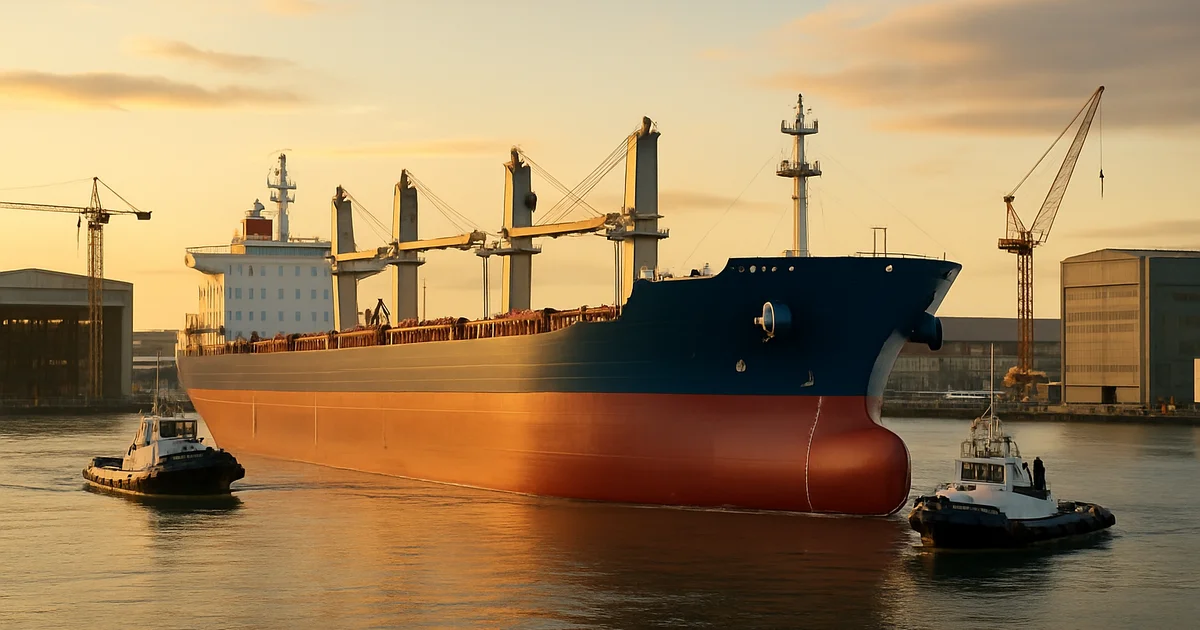
Pan Ocean, the South Korean shipping company, has allocated approximately $1.7 billion this year to expand its fleet, securing 16 Very Large Crude Carriers (VLCCs) in the first half of 2023. This substantial investment aligns with the company's strategic plan to enhance its position in the global energy shipping sector.
The newly ordered VLCCs are intended to bolster Pan Ocean's capabilities as the company seeks to capitalise on the rising demand for oil transportation. Each vessel, designed to carry large quantities of crude oil on international shipping routes, brings substantial deadweight tonnage (DWT) capacity enhancements to the fleet. This acquisition effort forms part of a broader initiative to modernise Pan Ocean's offerings and meet stringent environmental regulations.
According to Pan Ocean's senior executives, the new vessels reflect a commitment to maintaining a competitive edge in a market driven by fluctuating oil prices and evolving environmental standards. These VLCCs will be outfitted with advanced propulsion systems and environmentally friendly technologies such as scrubbers and energy-saving devices. These additions comply with International Maritime Organization (IMO) environmental regulations, improving fuel efficiency and reducing emissions.
Industry analysts point to ongoing trends in the oil tanker market, noting that Pan Ocean's aggressive fleet expansion mirrors wider industry demand for large transport vessels amid global energy consumption shifts. The order book for large-capacity carriers continues to grow as shipping companies aim to leverage the current tide of increased oil price stability and demand for clean transport solutions.
Why this matters
Pan Ocean's substantial investment in its VLCC fleet is expected to enhance its market position by increasing its ability to transport crude oil globally. For shipowners, this expansion signifies an intensifying competitive environment, where fleet modernization and compliance with environmental standards are crucial.
The introduction of advanced, eco-friendly technology on these carriers highlights the shipping industry's shift towards sustainable operations. This trend presents regulatory and financial implications for operators needing to meet newer, stricter emissions standards while maintaining profitability.
As more shipping companies adopt cutting-edge technology, it underscores a broader industry expectation for reduced carbon outputs. This could impose additional financial pressures on operators who are yet to invest in such upgrades, thus influencing long-term strategic planning and operational costs.
Going forward, Pan Ocean's fleet enhancement efforts mark a decisive move within the context of a fluctuating energy market and regulatory landscape. The company's upcoming challenges will likely involve the integration of these new VLCCs and operational management, setting a precedent for other operators striving to align with both market demands and environmental obligations.