The Philippine Embassy in Washington, D.C., has launched an investigation into escalating incidents of Filipino seafarers being denied entry into U.S. ports, despite holding valid work visas. The issues reportedly intensified following stricter immigration measures initiated during the Trump administration. According to embassy officials, multiple cases have been flagged involving seafarers removed from their vessels and forcibly deported, raising concerns about compliance with due process and international labor rights.
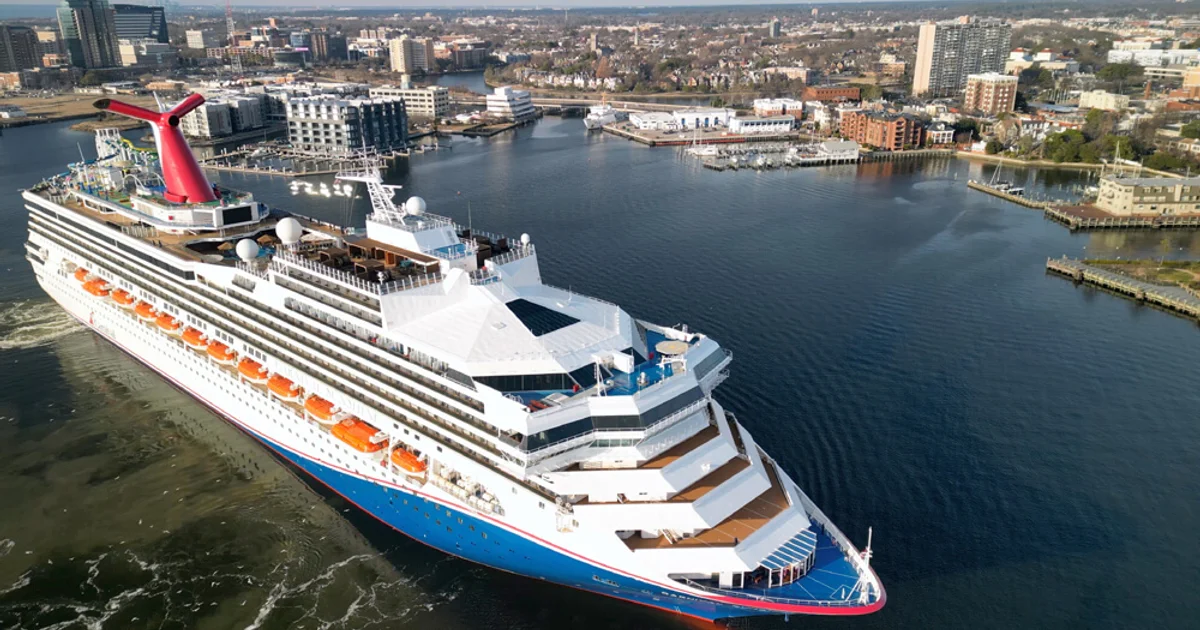
Data provided by advocacy groups indicate that over 100 Filipino seafarers were deported between April and July this year, including 21 crew members from the Carnival Cruise Line vessel Carnival Sunshine. Such incidents primarily involve cruise ships and stretch across multiple U.S. ports. Since Trump’s inauguration, the Philippine Senate has received reports confirming the deportation of at least 93 Filipino seafarers, with many sent home without formal arrest or charges. A Philippine Undersecretary further highlighted that deportations included cases where seafarers were detained and immediately placed on flights out of the U.S.
The embassy revealed that it is actively engaging with U.S. authorities, including the Department of State and Department of Homeland Security, to investigate these incidents and ensure adherence to established consular notification protocols. Additionally, the Philippine Department of Migrant Workers has been coordinating efforts to assist deported seafarers in securing new employment opportunities, noting their prior clearance as “fit to work” under U.S. immigration scrutiny.
Growing concerns have also emerged over allegations that some deportees were sent to third countries without proper verification of citizenship. While U.S. officials confirmed one case involving the deportation of an individual to Eritrea due to citizenship disputes, they stated others were repatriated back to the Philippines. The Philippine Embassy refuted circulating claims of a broader crackdown on dual citizens, labeling such reports as unfounded.
Why this matters
The rising deportation and denial-of-entry cases involving Filipino seafarers highlight vulnerabilities in international seafaring communities, particularly concerning compliance with immigration laws and procedures in destination ports. These developments have operational implications for cruise lines and shipping companies, as crew removals may disrupt staffing schedules, create legal entanglements, and increase reputational risks for vessel operators in markets with stringent immigration enforcement.
Shipowners and operators employing Filipino seafarers now face heightened scrutiny over visa issuance and entry approvals at U.S. ports. The situation underscores the need for enhanced coordination between recruitment agencies, consular offices, and employers to address documentation and procedural compliance before contract initiation.
Rights advocacy groups are also placing pressure on flag states and crew management agencies to ensure legal safeguards are in place, given the rising trend of detentions without arrest or formal charges. These challenges further complicate the operational landscape for international crew deployment, particularly in regions with toughened border controls.
Moving forward, maritime operators in the cruise and cargo sectors may need to anticipate stricter immigration vetting processes for foreign workers arriving in U.S. ports. Continued engagement between the Philippine government and U.S. authorities, alongside industry stakeholders, will be key to mitigating risks and ensuring fair treatment for seafarers navigating complex immigration landscapes.