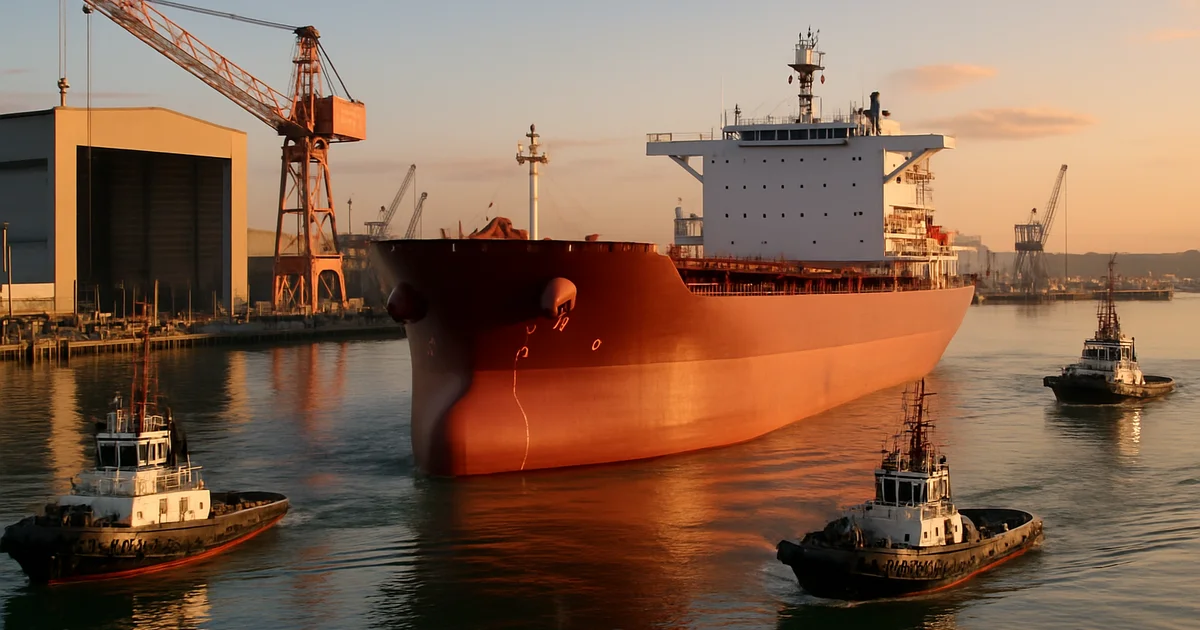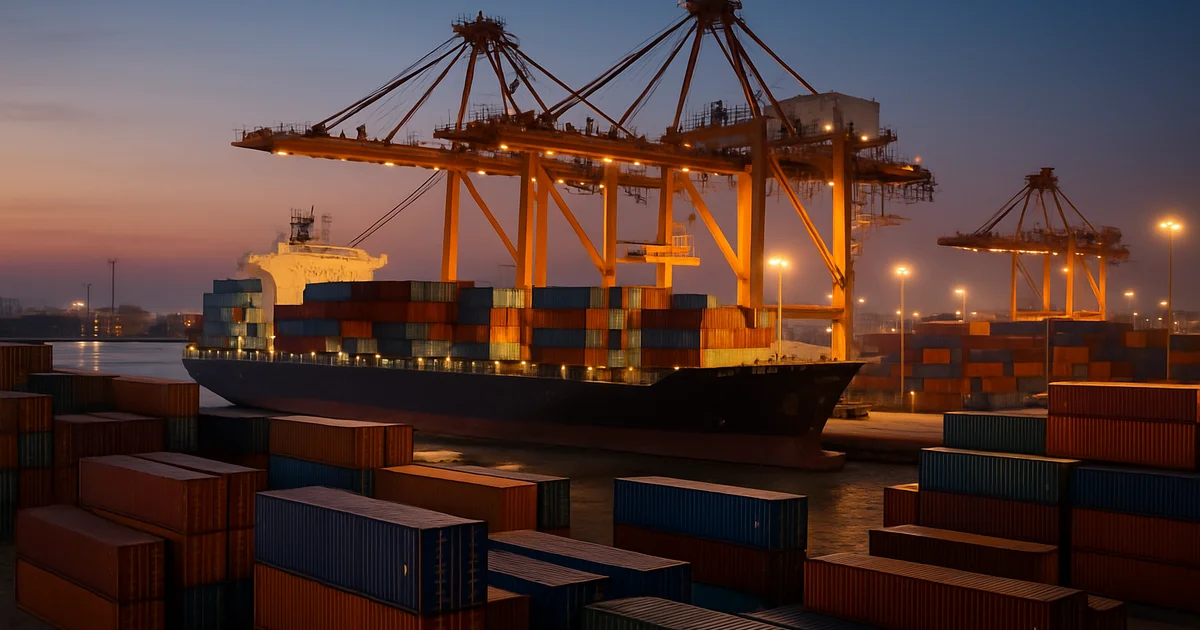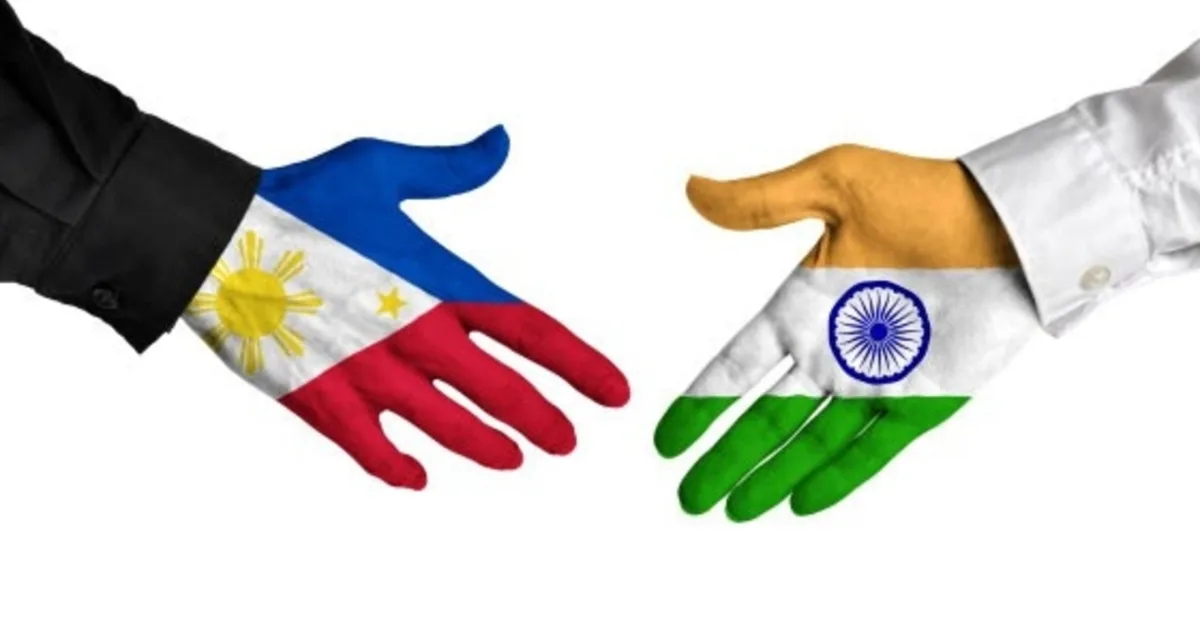
A high-level delegation from the Philippines recently engaged with officials from India’s Ministry of Ports, Shipping and Waterways (MoPSW) in New Delhi to strengthen maritime relations. This meeting was part of efforts to enhance cooperation on key maritime issues, encompassing seafarer collaboration, maritime security, and the exploration of blue economy opportunities within the ASEAN–India maritime framework.
The discussions were held alongside the Second India–Philippines Maritime Dialogue, which took place on March 2, 2026. During this dialogue, both nations assessed recent developments in the Indo-Pacific region and shared insights on maritime law. They expressed a commitment to increasing collaboration on various international platforms, such as the United Nations, the Regional Cooperation Agreement on Combating Piracy and Armed Robbery against Ships in Asia (ReCAAP), and the Indian Ocean Naval Symposium (IONS).
Key topics covered during the discussions with MoPSW included enhancing port and shipping links, maritime domain awareness, and engagement between naval and coast guard forces. There was a particular emphasis on cooperation concerning seafarers, which is significant given that both India and the Philippines rank as leading suppliers of merchant navy officers and ratings worldwide.
The delegations also focused on joint initiatives in marine scientific research, ocean economy, and humanitarian assistance and disaster relief (HADR). This collaborative approach aims to address issues such as supply chain disruptions, aligning with Prime Minister Narendra Modi’s declaration of 2026 as the “ASEAN–India Year of Maritime Cooperation.”
Both countries view a closer maritime partnership as essential for supporting a rules-based order in the Indo-Pacific region. Such collaboration also aims to leverage each country’s port and logistical capabilities to boost regional trade. By deepening these maritime ties, India and the Philippines seek to ensure mutual benefits and contribute to regional stability and economic growth.