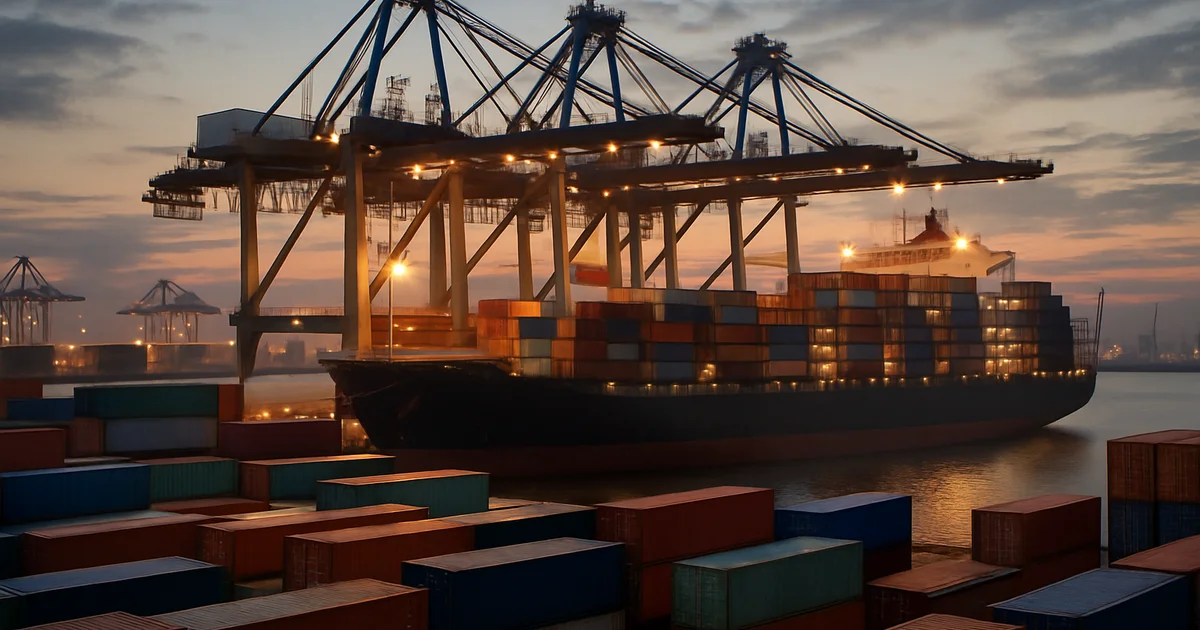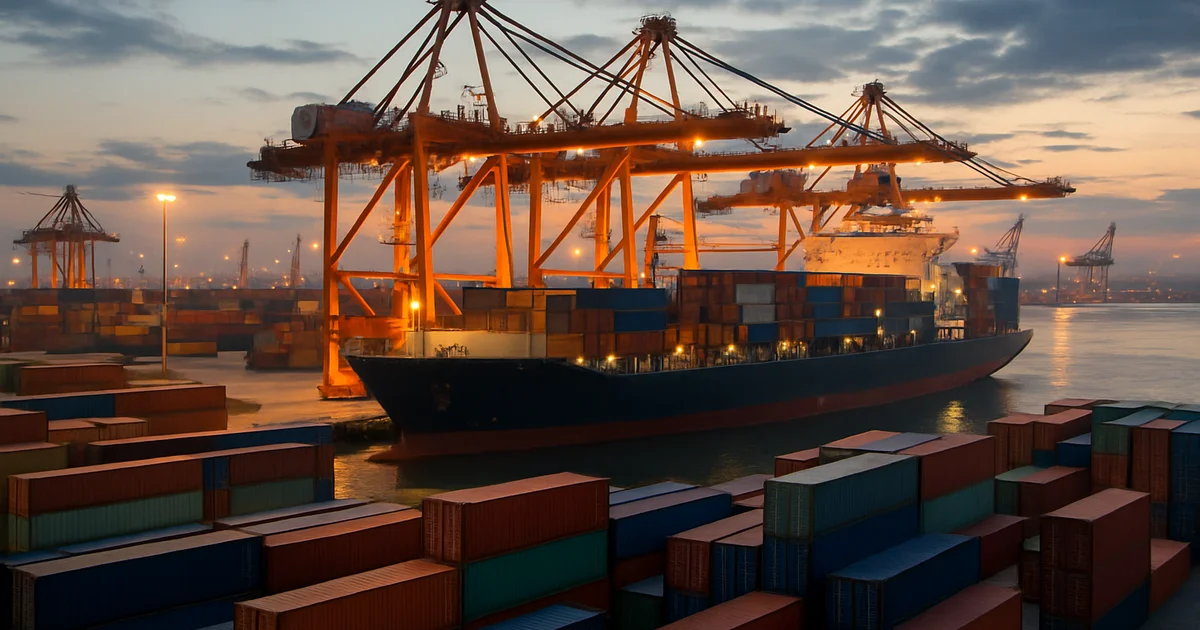
The transition towards the use of propane as a cleaner fuel alternative is gaining traction within the port and maritime sectors. Driven by the need to comply with stringent environmental regulations and reduce carbon emissions, the adoption of propane is increasing among ports and shipping companies. This shift is part of broader efforts to modernize fleet operations within the maritime industry.
Recent data indicates a surge in the number of vessels converting to or being constructed with propane-powered engines. Ports are also investing in fueling infrastructure that accommodates propane, recognising its potential to significantly lower harmful emissions compared to conventional marine fuels. Propane is noted for its capacity to cut greenhouse gases and particulate matter by a considerable margin, providing a cleaner alternative that aligns with international environmental mandates.
Port authorities and maritime operators are looking at propane as a viable solution to the twin challenges of regulatory compliance and operational efficiency. Investing in propane infrastructure is seen not just as a compliance exercise but as a forward-thinking initiative that could offer competitive advantages in terms of cost and sustainability.
Prominent figures within the maritime industry have noted the environmental and operational benefits of propane adoption. By reducing dependency on more pollutive fuels, shipping lines are able to enhance their environmental profiles, which can be particularly advantageous in attracting environmentally conscious clients and partners. Furthermore, propane’s competitive pricing compared to other alternative fuels adds another layer of appeal for operators managing tight budgets.
Why this matters
The move towards propane adoption reflects a significant shift in the maritime industry's approach to sustainability and compliance with international mandates such as the IMO’s impending emissions regulations. For operators, embracing propane could mean lower emissions-related costs, improved market competitiveness, and reduced environmental impact.
This development is also critical for ports that are increasingly positioning themselves as clean energy hubs. Enhancing their infrastructure to support propane fueling can transform their operational capabilities and attract more business, aligning with global efforts for cleaner maritime trade practices.
The adoption of such technologies could alter trade dynamics by affecting freight rates, vessel design decisions, and the economic viability of certain routes. It also extends potential collaboration opportunities between oil companies providing propane and maritime operators seeking cleaner energy solutions.
Looking ahead, industry players are likely to focus on increasing investments in propane-compatible infrastructure and technology, furthering research and collaboration to optimize its use, and expanding market reach through sustainable operation models. This momentum is expected to continue as environmental regulations tighten and demand for sustainable shipping practices rises.