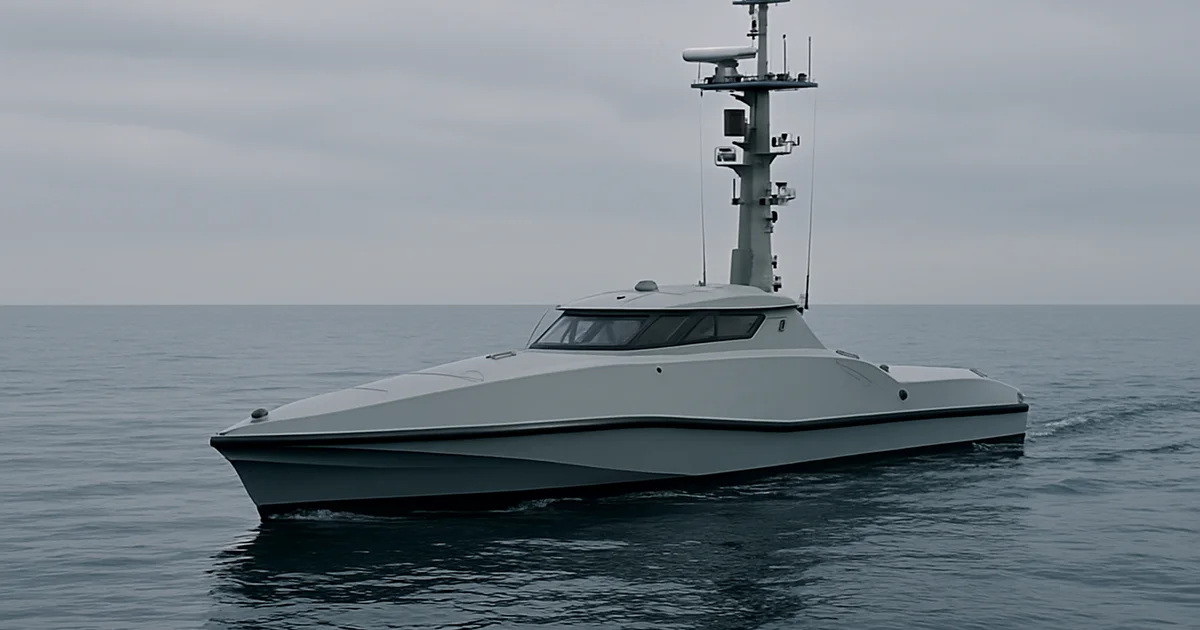
A cargo vessel was reportedly approached by an unidentified skiff while navigating the waters off Yemen. Such incidents heighten concerns over maritime security in the region, particularly along key shipping lanes.
The vessel involved has not been named in reports, but it was operating in a sea area notorious for piracy activities. The precise location of the incident was disclosed as occurring within Yemeni territorial waters. Such confrontations pose risks not only to the vessel's crew but also to the global supply chains reliant on safe passage through these routes.
Initial reports indicate that the approach was made by a single skiff, whose occupants did not attempt to board the ship nor was any cargo taken. The vessel's crew and cargo are reportedly unharmed, and the incident did not escalate further. However, the circumstances surrounding the approach remain under investigation as authorities seek to ascertain the skiff's intent.
The United Kingdom Maritime Trade Operations (UKMTO) was alerted to the presence of the unidentified skiff and is actively monitoring the situation. Maritime security agencies typically recommend vigilance and strict adherence to security protocols when traversing high-risk areas like these. The International Maritime Bureau (IMB) and other related organizations have often underscored the necessity for such precautions.
The strategic waters off Yemen are often under scrutiny due to their proximity to numerous sensitive trade corridors. The area's historical context includes piracy, which has occasionally disrupted international maritime routes. Regional instability contributes to the volatile security environment that ships must navigate.
Why this matters
The incident is a salient reminder of the persistent maritime security challenges in the Gulf of Aden and surrounding waters. For shipping companies, the implications include heightened security measures, increased insurance premiums, and potential rerouting costs. Piracy or even the threat of it can result in logistical delays, affecting shipping schedules and delivery commitments.
Vessels operating in or near Yemen face elevated risks as a result of the ongoing regional tensions. This not only impacts individual ship operations but also raises broader industry questions about effective security policies and international cooperation in tackling maritime piracy.
In terms of industry repercussions, vessel owners and operators must continually assess the balance between navigational efficiency and security investments. The necessity for escort or additional onboard security measures can elevate operating costs, thus influencing freight rates and competitiveness.
Moving forward, companies with routes through threatened areas will need to weigh the benefits of sailing through these waters against the potential security risks and associated cost implications. Continuous monitoring of maritime security updates from organizations like UKMTO and IMB will remain crucial for informed decision-making.