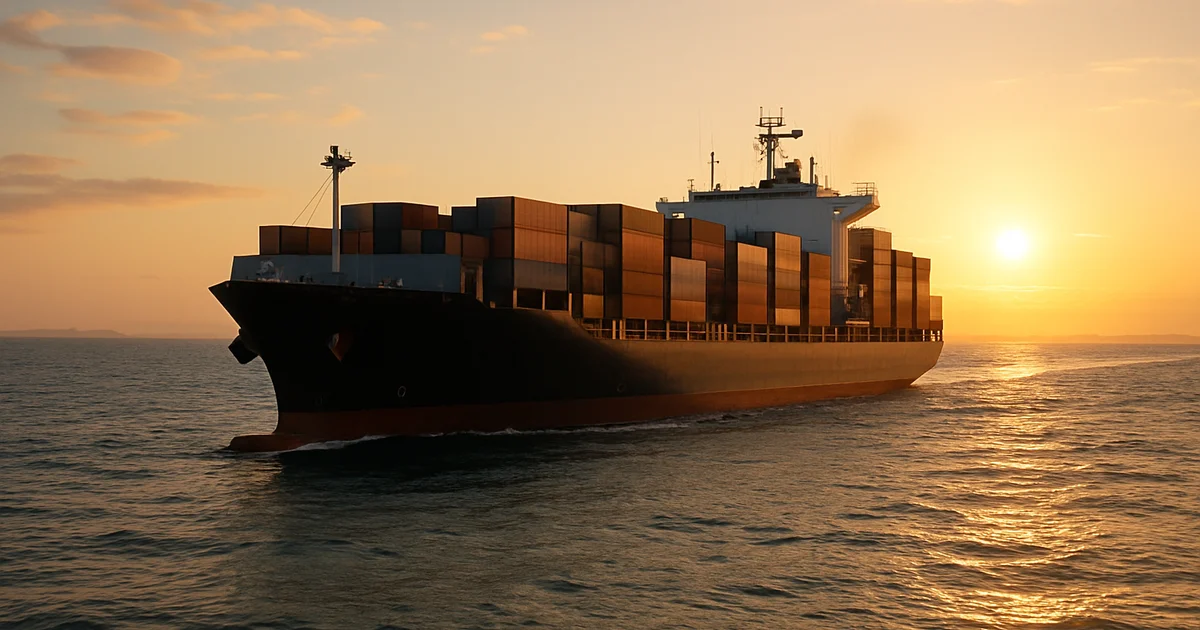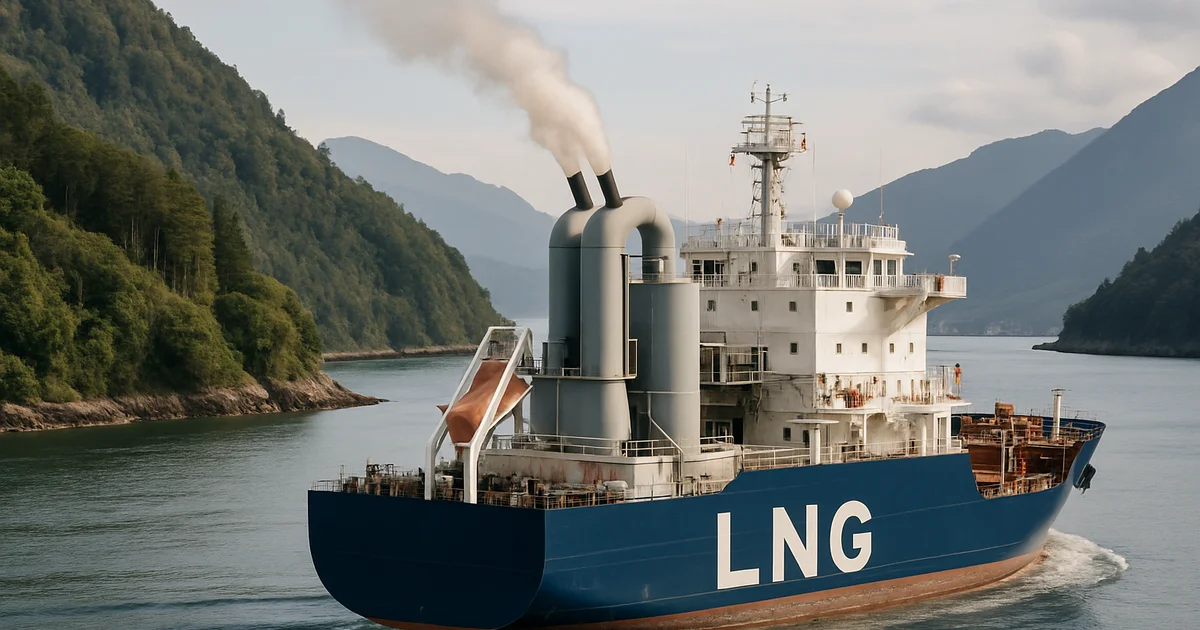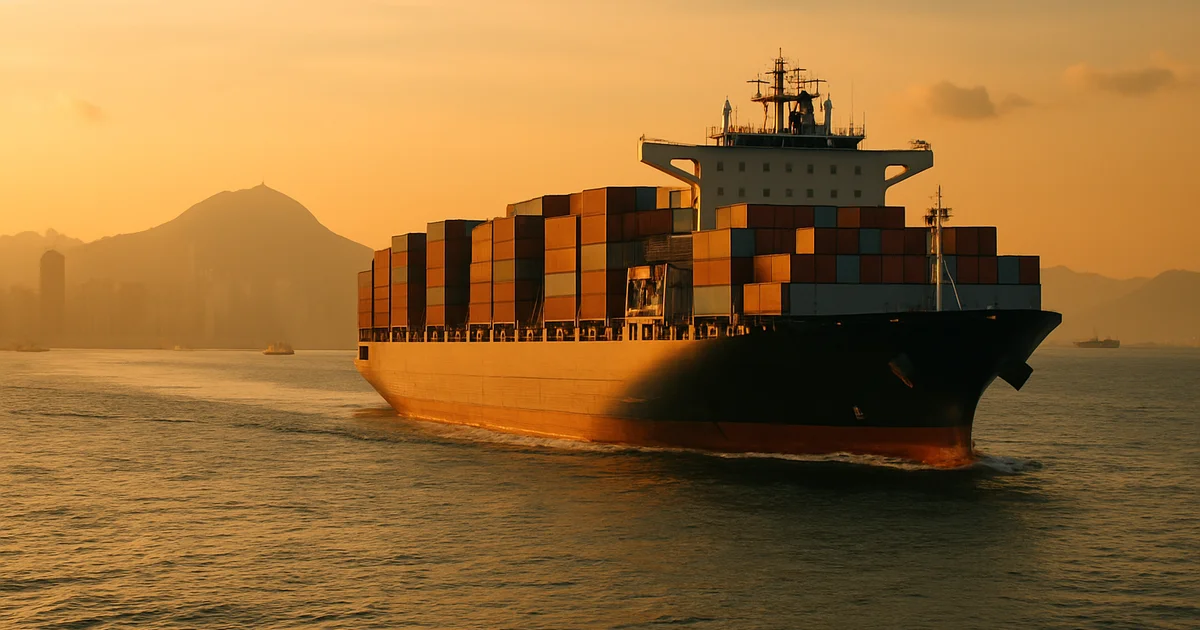
Russian oil exports have recently seen a strategic shift towards Hong Kong-flagged tankers in the Black Sea, following a noticeable reduction in Greek-operated vessels in the region. According to the latest maritime movements, several Hong Kong tankers have begun operating in these waters, reportedly handling significant volumes of crude oil and refined products destined for international markets.
The transition comes after many Greek tanker operators reduced their presence in the Black Sea due to mounting regulatory pressures and the geopolitical complexities surrounding Russia's engagements. Greek shipping companies, traditionally prominent in transporting Russian oil, are understood to have reassessed risk exposure linked to ongoing sanctions regimes and compliance requirements.
The reliance on Hong Kong-flagged vessels marks a noteworthy development in the maritime logistics landscape, given the historical reliance on Greek shipowners by Russian oil exporters. Industry insiders indicate that the adoption of alternative flag states may aim to mitigate operational disruptions and ensure the continued movement of energy commodities despite tightening sanctions.
In recent weeks, naval broadcasts and Automatic Identification System (AIS) data have identified multiple Hong Kong-registered tankers transporting Russian crude through maritime corridors that intersect sensitive geopolitical zones. These movements align with broader patterns of sanctions evasion, where vessel routes and registration details are frequently adjusted to avert legal and regulatory restrictions.
Why this matters
The shifting flag-states, away from Greece to Hong Kong, highlight the evolving dynamics within the shadow tanker fleet, potentially complicating enforcement of sanctions involving Russian exports. This transition could present significant challenges in monitoring compliance and increase the likelihood of secondary sanctions exposure for associated entities, including charterers and insurers.
For Protection and Indemnity (P&I) clubs, flag-change practices raise due diligence hurdles, as insurers must evaluate the risk under changing regulatory environments. Shipowners and operators using Hong Kong registrations may face increased scrutiny regarding sanction compliance due to the potential for AIS manipulation or disclosure obscurities.
Maritime operations in the Black Sea are inherently impacted by these developments. The region is noted for its strategic shipping lanes crucial for energy transportation, meaning that changes in flag registration and tanker operator profiles may alter regional security protocols and risk assessments.
With Greek operators diminishing their activity, stakeholders involved in maritime insurance and finance are likely to adjust their underwriting standards and risk pricing models to accommodate the consequences posed by Hong Kong-flagged vessels. The ramifications for derivative contract negotiations and freight derivatives pricing could also reverberate through global shipping markets.
Looking ahead, the maritime industry should anticipate potential changes in international regulatory frameworks governing global energy shipments. As geopolitical tensions influence shipping practices, both port authorities and maritime operators must remain vigilant of further developments, particularly regarding flag-switching strategies and the implications for compliance with international sanctions.