In the evolving landscape of the global shipping industry, pressing challenges such as environmental regulations, digital transformation, and security concerns are shaping its future. This summary focuses on four critical issues: piracy, air pollution, digitalisation through Artificial Intelligence (AI), and the growing emphasis on Environmental, Social, and Governance (ESG) criteria.
### Piracy: A Persistent Security Threat
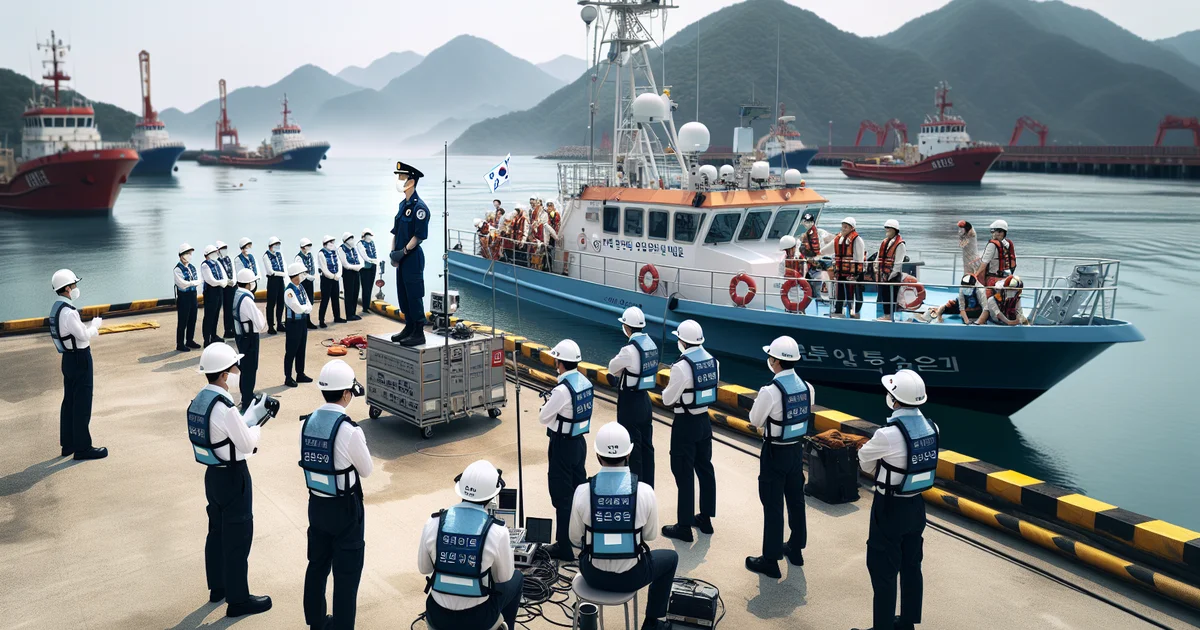
Despite international efforts to curb piracy, it persists, particularly in high-risk regions like the Gulf of Guinea. Here, ships often face armed robbery targeting crews and cargo for theft or ransom. While incidents overall have decreased, proactive measures are crucial for maritime operators. This includes conducting comprehensive risk assessments, implementing anti-piracy drills, employing armed guards, and using Best Management Practices (BMP). Effective collaboration between governments and shipping firms is essential for mitigating this persistent threat.
### Air Pollution: The Push for Cleaner Shipping
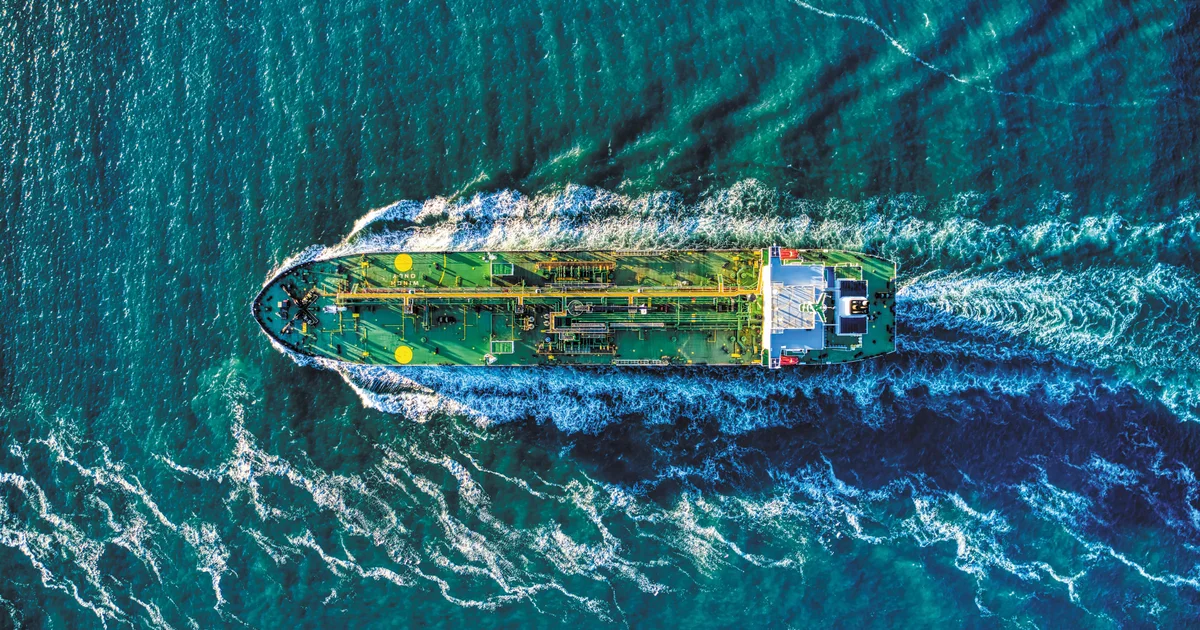
The shipping industry is a significant contributor to air pollution, emitting harmful substances such as nitrogen oxides, sulphur oxides, and carbon dioxide. With shipping accounting for a large portion of global CO2 emissions, there is growing pressure to reduce its environmental impact. Regulations like MARPOL Annex VI target emissions, and the International Maritime Organization (IMO) has set ambitious goals for reducing greenhouse gas emissions by at least 50% by 2050 compared to 2008 levels. For maritime nations like Cyprus, transitioning to cleaner shipping practices is vital for improving air quality and addressing environmental challenges.
### Digitalisation: The Role of Artificial Intelligence in Maritime Operations
The integration of AI into shipping processes is transforming operations, leading to improved efficiencies and cost savings. AI can significantly reduce port congestion, enhance fleet coordination, and optimize operational protocols. Onboard systems utilize predictive analytics to foresee maintenance issues, which heightens safety and reduces downtime. Additionally, AI aids in managing fuel consumption efficiently, complying with environmental regulations, and optimizing voyage planning based on various dynamic factors. As Cyprus and similar maritime nations embrace these technologies, the potential for enhanced competitiveness is significant.
### ESG: A Growing Focus on Sustainability and Governance
In recent years, ESG criteria have become foundational for business practices in industries with significant environmental impacts, such as shipping. ESG frameworks help companies address sustainability and ethical concerns, thereby demonstrating accountability and commitment to responsible practices. Investors increasingly favor firms with strong ESG performance, recognizing their enhanced ability to manage risks. For shipping companies, aligning with ESG goals closely ties to decarbonisation efforts and greener practices. This trend is also evident in Cyprus, which is seeing greater emphasis on ESG standards within its shipping sector.
### Conclusion: Cooperation as the Key to Overcoming Challenges
The global shipping industry faces intricate challenges that intertwine environmental, technological, and security dimensions. Effective response strategies necessitate robust cooperation among stakeholders, including shipowners, regulators, activists, and international organizations. In maritime centers like Cyprus, this collaboration is vital for adapting to global demands and ensuring that the industry can thrive amid increasing calls for sustainability and efficiency. As the industry continues to evolve, collective efforts will be critical in securing a prosperous future for maritime transport.