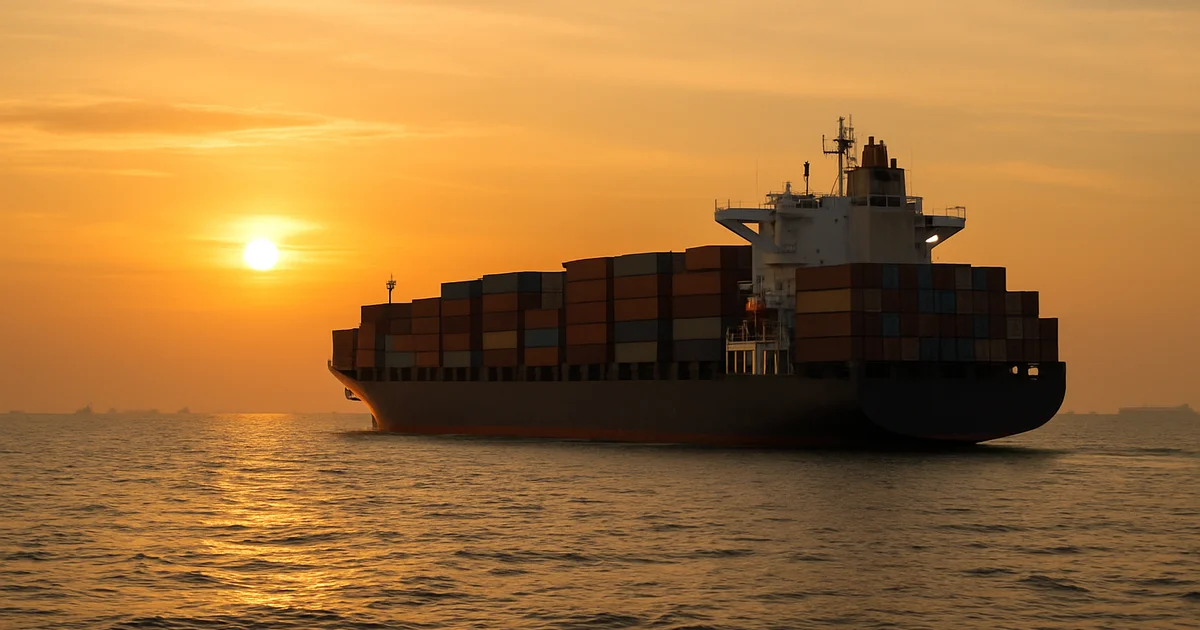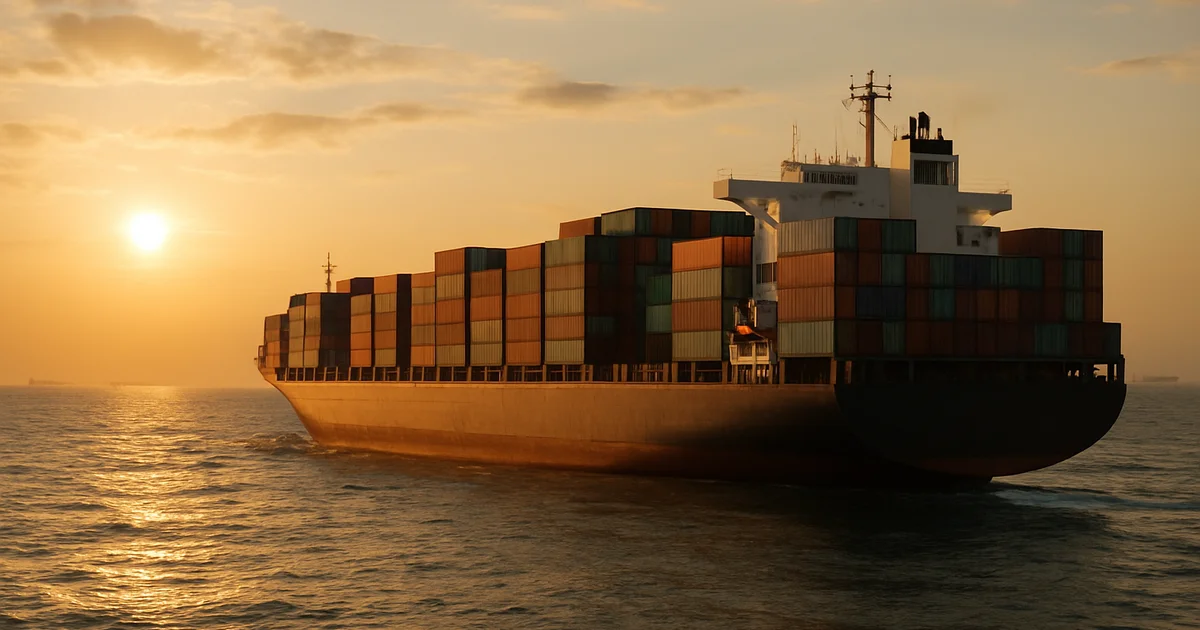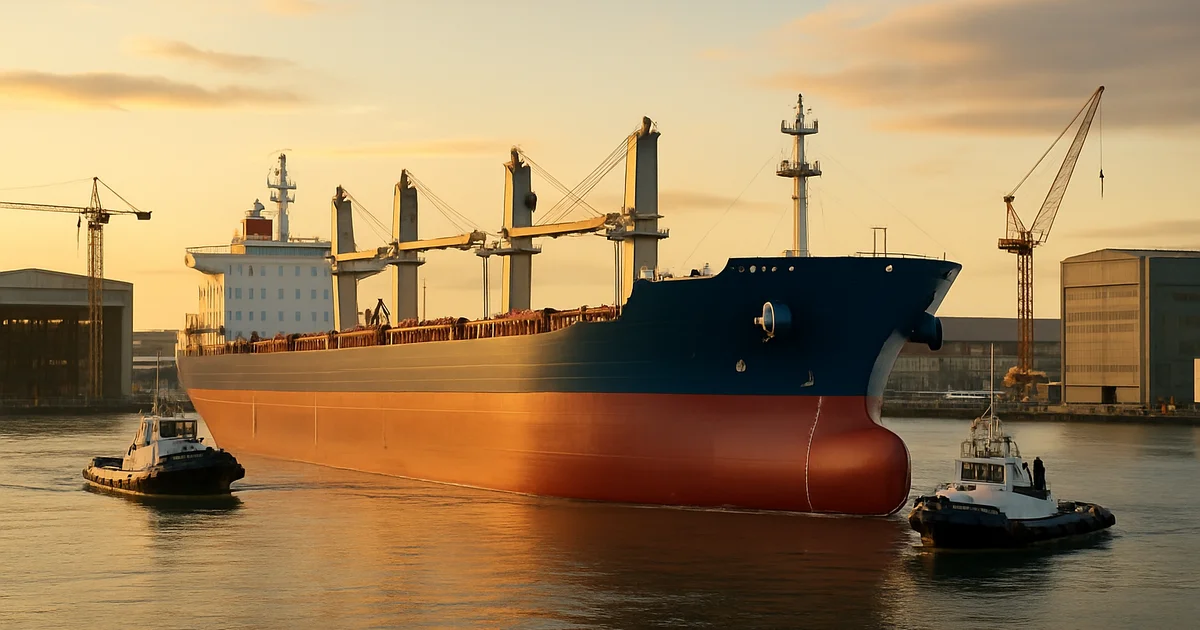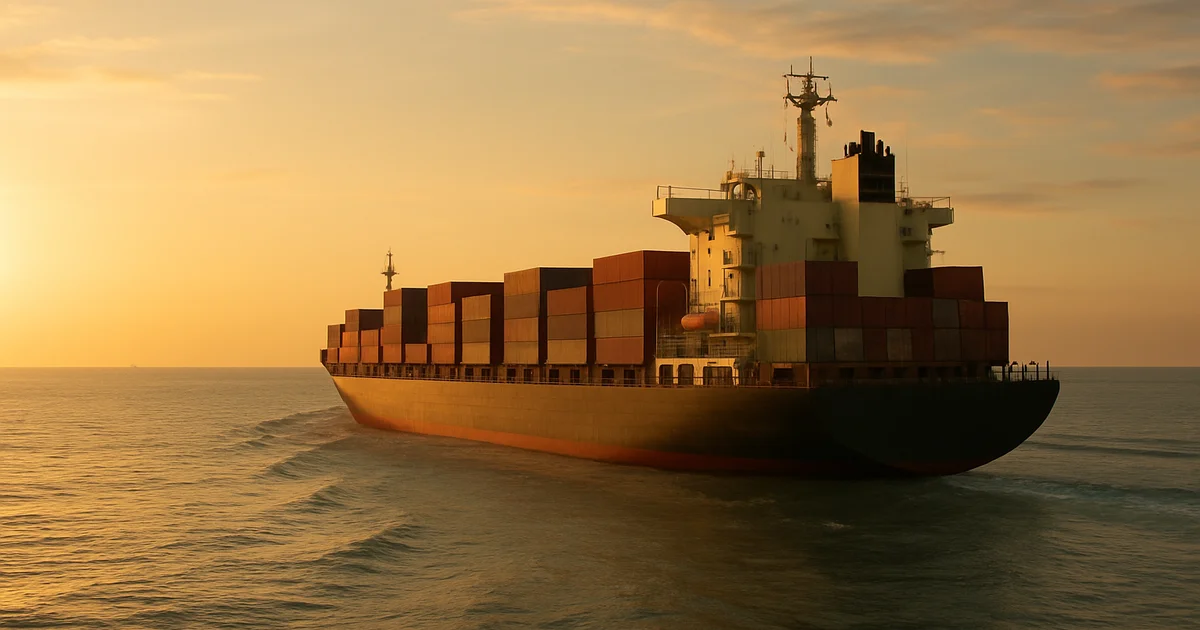
South Korea's Shipping Sector has witnessed a notable upsurge in stock values amid a backdrop of volatility in the broader national index. As the KOSPI (Korea Composite Stock Price Index) recorded a significant decline of 14 percent, shipping companies have capitalized on the surge in freight rates, propelling their market performance.
The freight rate increase has been largely fueled by global trade dynamics, with supply chain disruptions and heightened demand for goods elevating shipping costs. Industry data indicates that major shipping routes have experienced significant rate hikes, contributing to increased revenues for shipping firms.
Freight Rate Influence
Escalating freight rates have played a crucial role in altering the financial landscape for shipping operators. Data compiled by maritime analysts show that the Baltic Exchange Dry Index, a benchmark for the cost of shipping raw materials, has seen substantial growth. This has provided enhanced profitability margins for carriers, who have managed to navigate through the prevailing economic uncertainty.
Furthermore, the demand for containerized cargo transport has been a contributory factor. According to shipping observers, container throughput at key transshipment hubs has surged, reflecting increased commodity flows across Asia-Europe and Trans-Pacific trade corridors.
Why this matters
The shift in shipping stock performance against the declining KOSPI highlights the bifurcation within different sectors of the economy. For maritime operators, the rise in freight rates offers a buffer against broader market downturns, ensuring revenue stability and enhancing shareholder value.
This dynamic also underscores the critical role of fleet management and operational optimization. For shipowners and charterers, adapting to variable rate environments becomes vital to maintaining competitive advantage, especially with the potential for rate volatility due to seasonal demand shifts and global supply chain adjustments.
The disparity between shipping and conventional stocks also accentuates the sector's strong linkage to international trade flows, relative to domestic economic indicators. For investors and maritime stakeholders, this decoupling serves as a reminder of the shipping industry's sensitivity to global market trends over localized economic performance.
Going forward, the primary consideration for shipping companies will be how to balance capacity expansion with rate stabilization to ensure long-term market resilience. Stakeholders will need to closely monitor global trade indicators and adjust operational strategies accordingly to mitigate volatility while capitalizing on emerging opportunities in freight mobility.