The U.S. Supreme Court is poised to determine whether former President Donald Trump’s invocation of emergency powers under the International Emergency Economic Powers Act (IEEPA) to impose wide-ranging tariffs was legally permissible. These tariffs, initially revealed during an official announcement in April 2025, targeted imports from several key trading partners—including Canada, China, and Mexico—as part of Trump’s broader economic policy agenda. Lower courts previously ruled that the use of the IEEPA for these actions violated constitutional provisions, setting the stage for Supreme Court deliberations scheduled for early November.
At the center of the legal challenge is the balance of authority between the executive and legislative branches in trade policy. The IEEPA, initially designed to enable swift economic responses to national emergencies, has come under scrutiny for allegedly allowing presidential overreach. Two lawsuits—a coalition of small businesses and a group of state attorneys general—argued that the tariffs exceeded the scope of powers outlined in the act. Federal courts, including the U.S. Court of Appeals for the Federal Circuit, concluded that tariff imposition falls within Congress’s exclusive taxing authority, further limiting the president’s ability to sidestep legislative oversight.
A ruling by the Supreme Court could either affirm Trump’s interpretation of the IEEPA, granting broader latitude for unilateral tariff actions in future administrations, or declare the tariffs unlawful. The court may also opt for a nuanced decision, potentially permitting certain tariffs while restricting others or clarifying the legal parameters for invoking emergency powers under the act. Beyond determining the scope of executive authority, the case carries financial significance due to billions of dollars collected in tariffs. If deemed unlawful, questions of reimbursement to affected importers could arise, with Treasury Secretary Scott Bessent confirming the government’s readiness to comply with refund directives.
Should the Supreme Court strike down Trump’s tariffs entirely, alternate routes for their implementation exist under different trade codes, but these frameworks often lack the speed and flexibility associated with the IEEPA. Meanwhile, the potential ruling on refund obligations could range from broadly encompassing impacted businesses to narrowly applying only to litigants involved in the case.
Why this matters
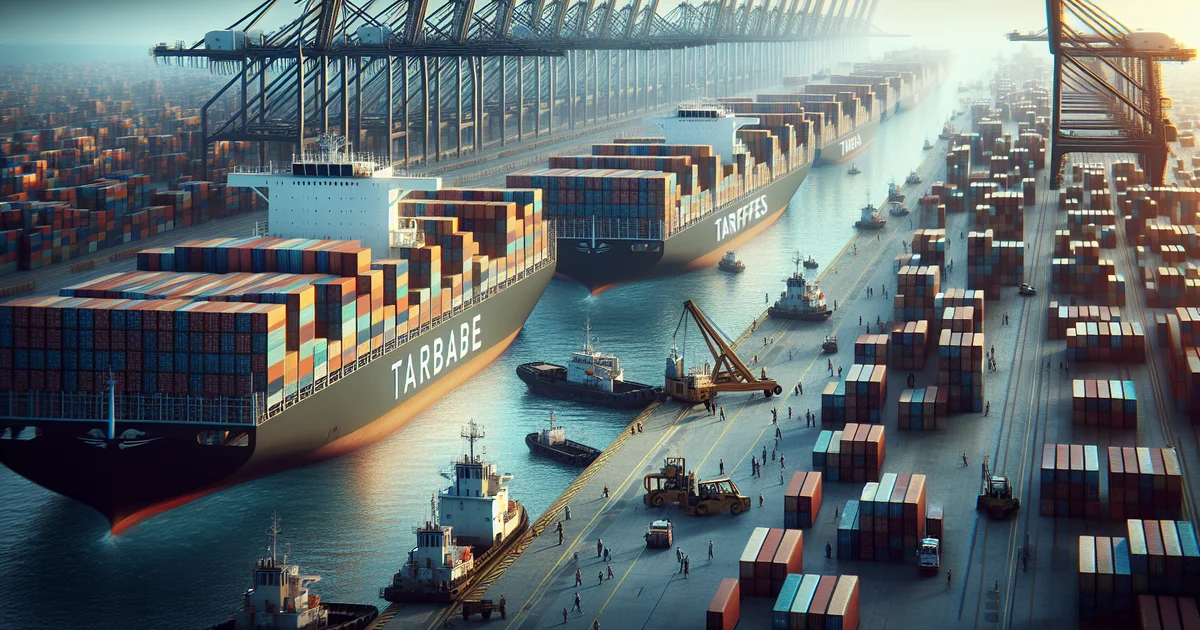
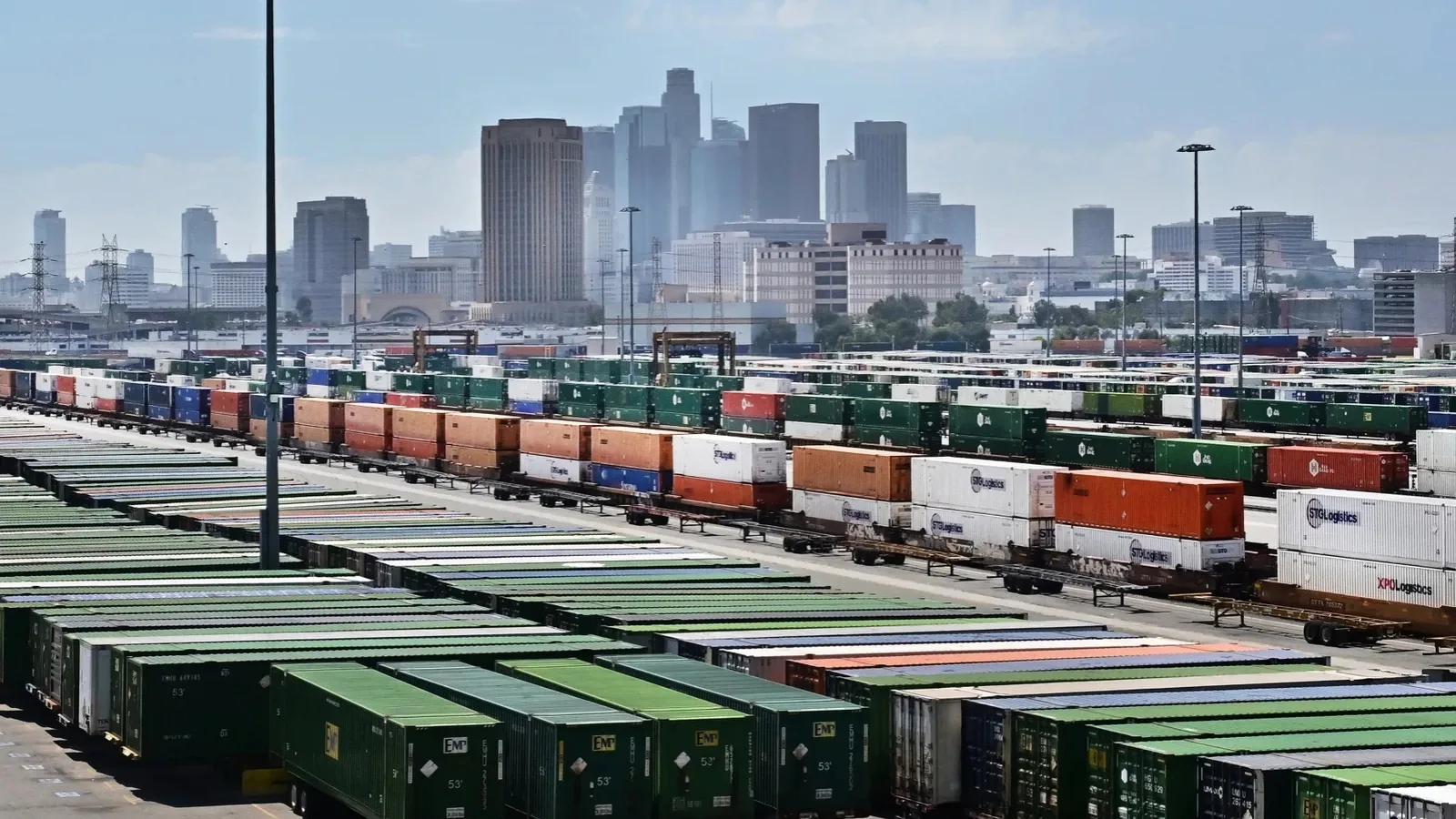
This legal dispute carries profound implications for global maritime trade, particularly for U.S. port throughput impacted by the tariffs imposed on major trading partners. If the Supreme Court sides against the tariffs, the ruling is likely to create ripple effects for shipping operators and logistics networks tied to affected cargo lanes. Both import volumes and trade flows could shift as tariff structures are revamped or eliminated.
The case also underscores regulatory uncertainties for shipowners and charterers serving trade routes involving Canada, China, and Mexico. Companies navigating these corridors may face sudden changes in demand patterns depending on the ruling. Moreover, if refunds are mandated on a large scale, businesses across shipping and logistics may need to adapt their financial planning in anticipation of altered fiscal dynamics.
For operators of container vessels and cargo carriers, any shift in port activity spurred by this ruling would demand agile adjustments to deployment strategies. Tariff policy directly influences commodity flows and freight rates, ensuring this Supreme Court judgment will impact strategic decision-making for industry stakeholders.
The hearings, set for early November, will serve as a pivotal moment for trade policy, with long-term consequences for maritime operators and their commercial partnerships in tariff-sensitive regions. Stakeholders across the shipping sector are watching closely for clarity on the scope of executive authority under the IEEPA and its future application in global commerce.