Trump's Tariffs ·Trade ·United States
US Imports Redirected to Circumvent Tariffs Exceed $300 Billion
Rerouted US Imports Avoiding Trump’s Tariffs Top $300B Transport Topics
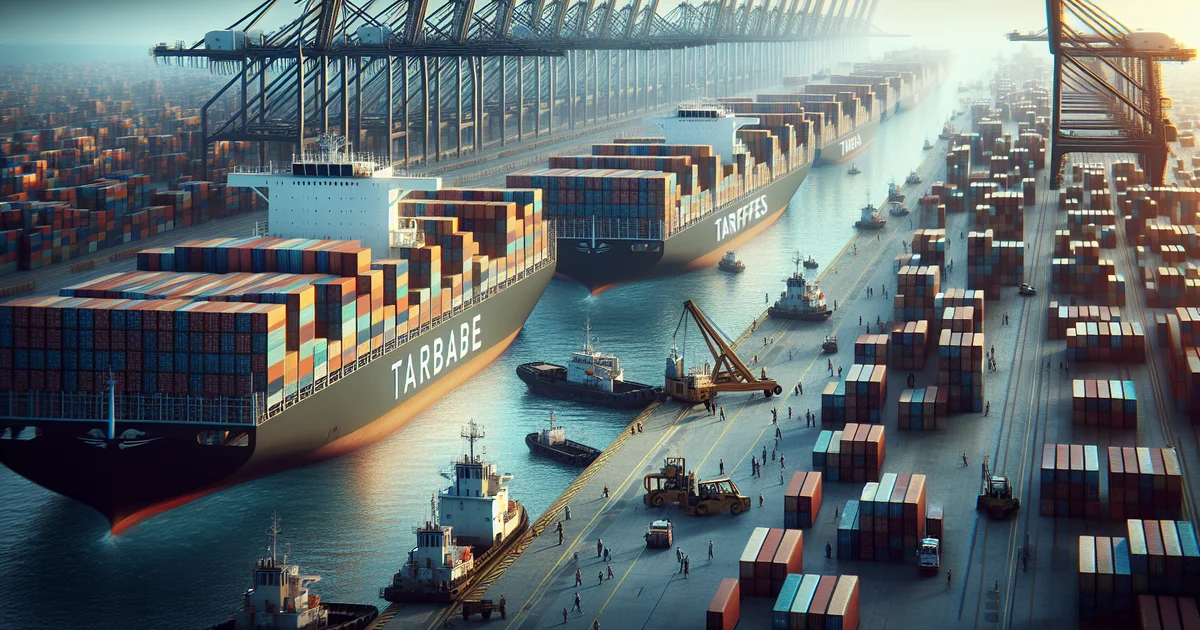
In recent developments, U.S. imports that have been rerouted to circumvent tariffs imposed during the Trump administration have exceeded a value of $300 billion. This significant figure reflects the ongoing adjustments in trade practices as businesses seek to mitigate the financial impact of tariffs on various goods.
The tariffs, which were implemented on a range of products from several countries, have led importers to explore alternative sourcing options. Many companies have opted to shift their supply chains, sourcing goods from countries that are not subject to these tariffs. This strategy has resulted in a notable increase in imports from nations such as Vietnam, Mexico, and other Southeast Asian countries.
Data indicates that the total value of goods imported into the U.S. from these alternative sources has surged, with many businesses successfully avoiding the higher costs associated with tariffs. This shift demonstrates the adaptability of U.S. importers in response to changing trade policies and their efforts to maintain profitability while navigating the complexities of international trade.
The restructured trade patterns have not only affected the volume of imports but also the types of goods that are being brought into the U.S. Market analysis shows shifts in product categories, with certain items seeing increased import levels as businesses adjust their supply chains to new realities.
As the trade landscape continues to evolve, the long-term effects of these rerouting strategies on the U.S. economy and international trade relationships remain to be seen. The changes in import practices highlight the dynamic nature of global trade and the various factors influencing it, including government policies and market demands.
In summary, the total value of U.S. imports rerouted to avoid tariffs has surpassed $300 billion, reflecting a significant shift in trade strategies among businesses responding to the tariffs.