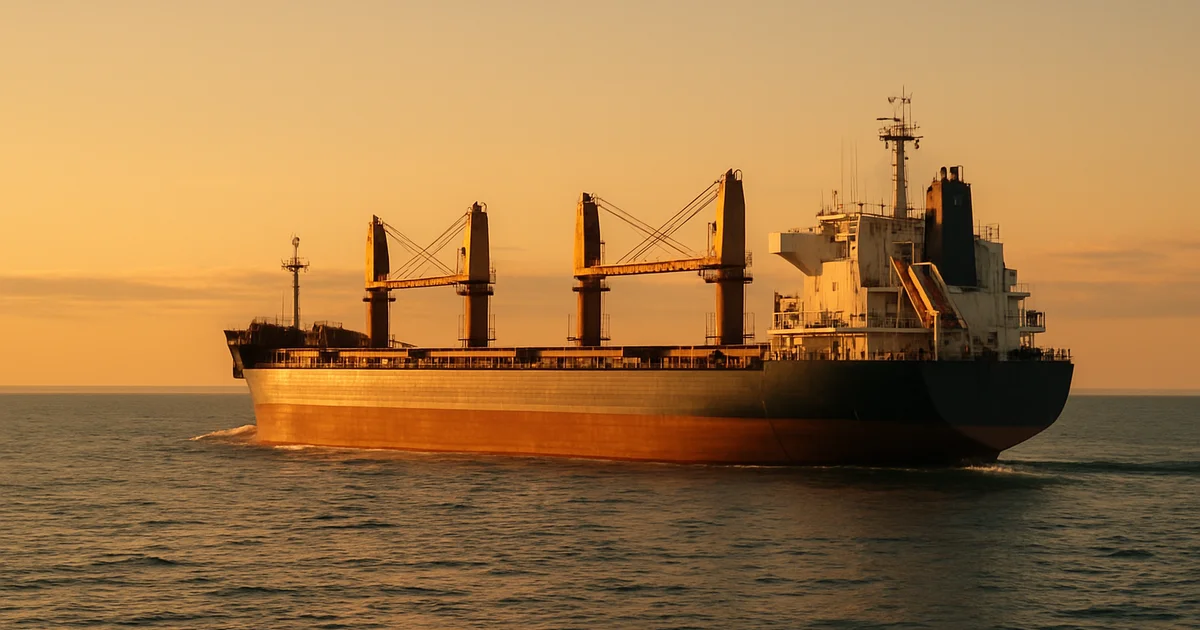
Stolt Apal, a crude oil tanker, was reportedly struck by an unidentified projectile while navigating the Gulf of Oman. The incident occurred off the coast of Oman, as confirmed on May 13, by the United Kingdom Maritime Trade Operations (UKMTO).
Details of the strike remain limited, but the projectile's impact on the vessel and its crew was acknowledged. The UKMTO did not specify the nature of the projectile or the potential assailants behind the attack. Reports indicated an increased risk level in surrounding waters, prompting attention from regional naval forces.
The Gulf of Oman, a strategic passageway for the global energy supply chain, has historically seen tensions due to geopolitical dynamics. Recent upswings in maritime security incidents have led to intensified monitoring by international navies and private security entities. Accordingly, shipping companies operating in the region might reassess their transit protocols and security measures.
The UKMTO is an integral body that oversees maritime security alerts and collaborates with industry and military networks to safeguard shipping lanes. Following this event, they have called for heightened vigilance among vessel operators transiting through the area.
Why this matters
The attack underscores ongoing security risks in the Gulf of Oman, a critical artery for oil shipments originating from the Middle East to global markets. Vessels transiting this area are frequently subject to increased insurance premiums and may need to implement additional security protocols, translating into higher operational costs.
For shipping operators, the incident emphasizes the need for rigorous risk assessment and contingency planning. Potential disruptions to tanker routes can impact freight rates and availability, affecting the broader logistics and shipping ecosystem.
'Maritime Security Company' officials emphasize that the incident could spur further naval deployments, increasing military presence in regional waters. Such developments hold implications for transit schedules and port operations, potentially affecting cargo throughput and regional trade balances.
This incident serves as a pertinent reminder for stakeholders in the maritime domain to regularly update and rehearse emergency procedures, ensuring preparedness in the face of geopolitical uncertainties.
Operators in the Gulf of Oman must now consider reinforced security measures and real-time risk assessments to mitigate potential threats. Close liaison with maritime security providers and regional navies will be crucial in navigating these treacherous waters.