Höegh Evi and Malaysian firm PETROS have partnered for the development of a new LNG terminal in Kuching, Sarawak, Malaysia. The project aims to enhance the region's energy infrastructure and promote the use of LNG as a cleaner energy source, contributing to local and national energy security goals.
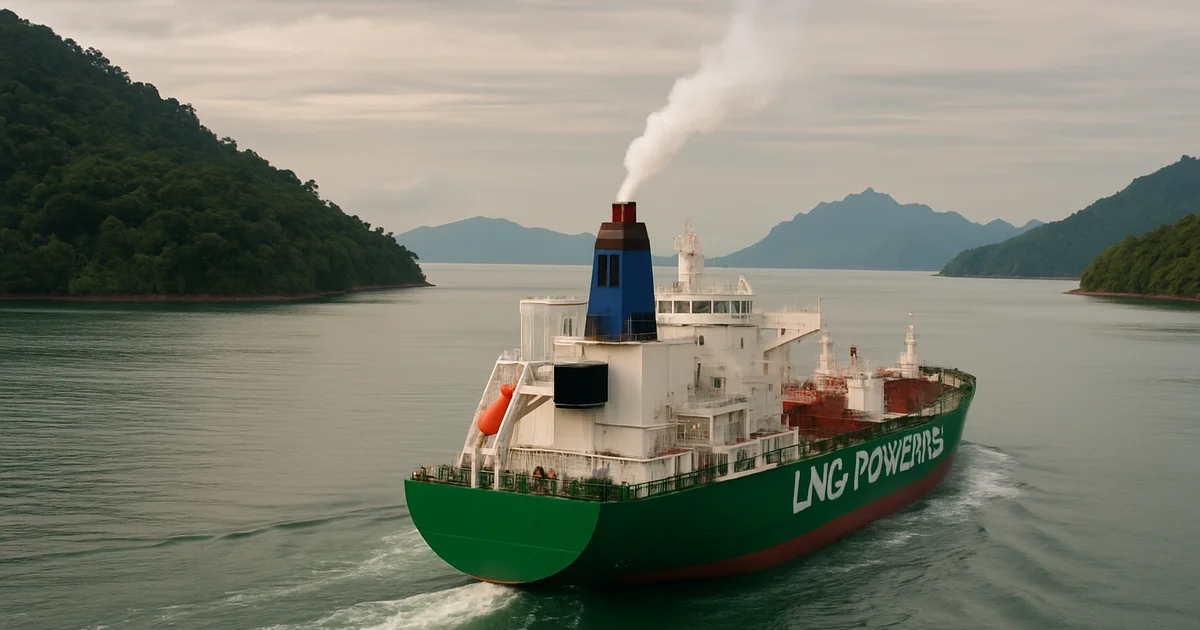
The initiative involves the deployment of the Höegh Evi, a floating storage and regasification unit (FSRU). This vessel will be central to the terminal's operations, providing a crucial link between offshore LNG shipments and onshore distribution networks. The terminal will leverage Höegh's expertise in FSRU technology, known for its flexibility and efficiency in integrating with existing energy infrastructure.
According to PETROS, the Kuching LNG terminal will accommodate the area's growing energy demands and facilitate the import of LNG to reduce reliance on other fossil fuels. This development aligns with Malaysia's strategic energy plans and reflects the government's commitment to sustainable energy solutions.
Why this matters
The collaboration between Höegh and PETROS marks a significant advancement in the LNG infrastructure in Southeast Asia, particularly within Malaysia. The Kuching LNG terminal is poised to become a strategic hub for LNG distribution, thus bolstering regional energy security and supporting the transition to cleaner energy sources. The deployment of the Höegh Evi FSRU underscores a growing trend towards scalable and adaptable LNG solutions in the global energy market.
This project could play a pivotal role in diversifying Malaysia's energy portfolio, potentially lowering energy costs for consumers and businesses while reducing environmental impacts compared to traditional energy sources. For the maritime sector, this development highlights the increasing importance of LNG in the global trade landscape and the role of advanced shipping assets like FSRUs in facilitating this transition.
For the maritime industry, the success of this project could serve as a model for similar LNG infrastructure developments. Stakeholders will be watching closely to assess the operational efficiencies and economic impacts as the terminal becomes operational. This could influence investment and operational decisions in LNG projects elsewhere, shaping future energy infrastructure strategies on a broader scale.