Singapore’s Special Envoy for Arctic Affairs, Sam Tan, delivered a keynote address at the Russia-Singapore Arctic Dialogue on December 17, 2021. The hybrid event, hosted by the S. Rajaratnam School of International Studies (RSIS) in Singapore and the Moscow School of Management (SKOLKOVO), centered on the theme “The Arctic as a Global Transport Corridor: Sustainable Arctic Shipping.” Discussions highlighted the potential for collaborative efforts on Arctic maritime projects, sustainable shipping technology, and challenges posed by climate change.
In his remarks, Tan underscored the importance of balancing economic opportunities in the Arctic with sustainable development. Echoing Singapore’s support for Russia’s Chairmanship of the Arctic Council, he highlighted the principles of “Responsible Governance for Sustainable Arctic,” emphasizing their relevance not only to the region but also globally as nations strive to recover economically and environmentally from the COVID-19 pandemic. Tan noted Singapore’s vulnerability as a low-lying coastal state to the adverse effects of Arctic climate shifts, particularly rising sea levels.
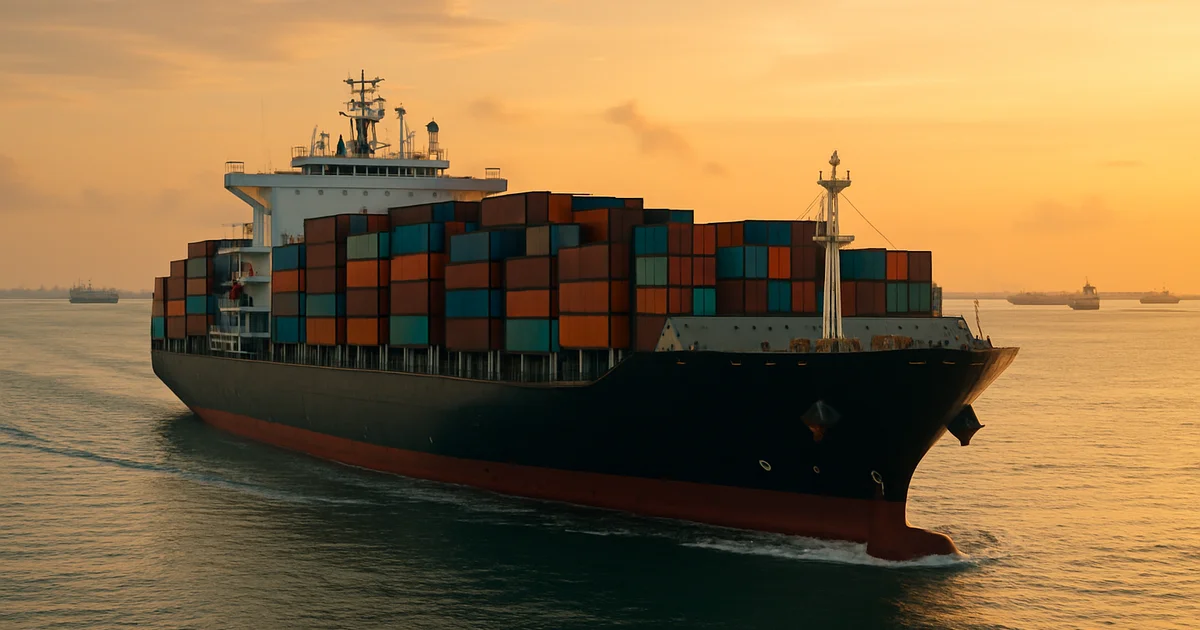
Tan also reflected on his participation in a 2016 voyage aboard the nuclear-powered icebreaker 50 Years of Victory, where he observed firsthand the dynamic Arctic maritime environment. He pointed to emerging Arctic shipping routes, such as the Northern Sea Route (NSR), which could shorten transit times between Asia and Europe. With Singapore’s position as one of the world’s busiest maritime hubs, handling approximately 120,000 vessel calls annually, the NSR presents a transformative avenue for trade connectivity.
Singapore’s maritime expertise was highlighted as a strategic asset for Arctic shipping infrastructure, particularly in constructing ice-class vessels and enhancing safe operations in extreme conditions. Prominent local firms such as Keppel Offshore & Marine and ST Marine are well-placed to contribute to the development of Arctic-ready vessels and facilities. Tan identified Singapore’s experience in shipbuilding and marine engineering as critical competencies for supporting Arctic projects.
Tying these efforts to Singapore’s domestic agenda, Tan cited the nation’s Green Plan 2030, which underscores sustainable and environmental practices across various sectors. He expressed Singapore’s readiness to collaborate with Russia’s Arctic Council Chairmanship in advancing initiatives related to marine litter reduction and green shipping, reinforcing the shared commitment toward environmental stewardship in Arctic waters.
Why this matters
The Arctic's transformation into a critical transport corridor has far-reaching implications for global trade, especially for maritime hubs like Singapore. Shortened transit times via the Northern Sea Route could enable quicker and more cost-efficient shipments between Asia and Europe, reshaping competitive dynamics for vessel operators and ports managing transshipment flows.
Singapore’s technical expertise in building ice-class vessels and offshore marine technologies places it in a strong position to capture opportunities arising from Arctic development. With companies like Keppel Offshore & Marine and ST Marine equipped to deliver robust solutions, Singapore can play a pivotal role in ensuring safe operations in the Arctic while mitigating environmental risks associated with expanding shipping volumes.
For stakeholders managing climate change and its impact on maritime operations, Arctic collaboration represents an indispensable framework for balancing trade expansion and sustainability. Singapore’s proactive engagement alongside Arctic Council members signals intent to align commercial interests with environmental governance.
Singapore’s participation in the dialogue paves the way for stronger bilateral ties with Russia and other Arctic nations while reinforcing its role in shaping sustainable shipping practices globally. Maritime operators and policymakers will need to monitor developments in Arctic infrastructure closely as they weigh potential strategic partnerships and cost-benefit trade-offs in the region.