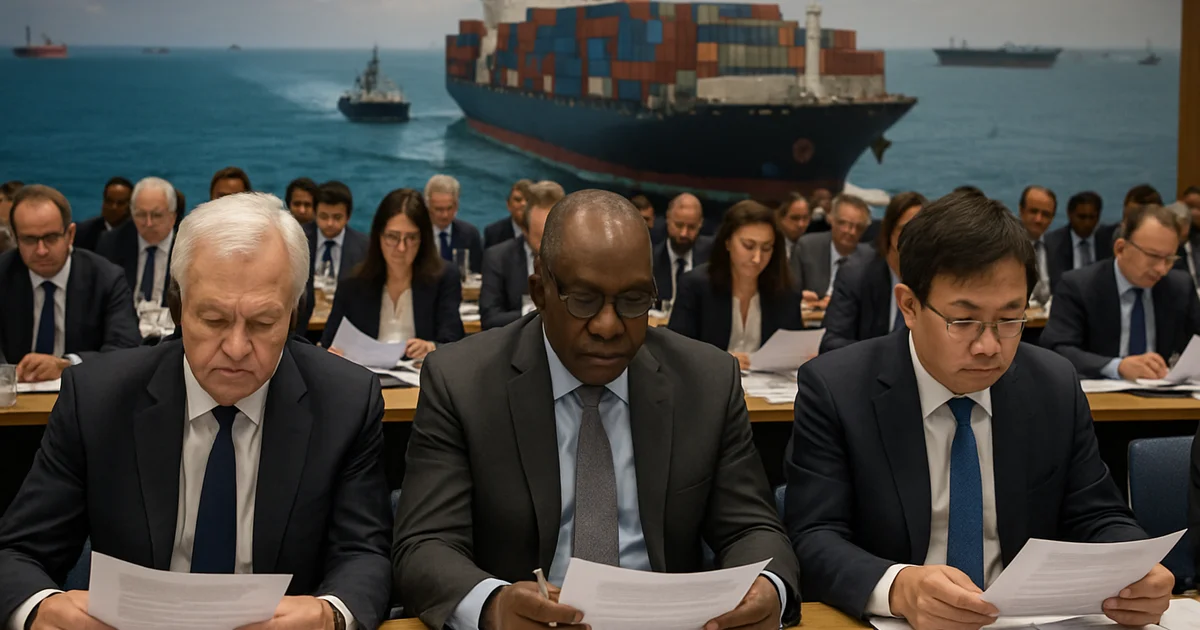
**OL Shipping Group**, based in Tokyo, has been actively engaging with global decarbonisation initiatives, as conveyed by **Capt. Eberhard Koch**, who has emphasised the need for practical approaches to achieving maritime sustainability goals. Speaking on the complex landscape of maritime environmental policies, Koch addressed the challenges and potential pathways to compliance with emerging regulations.
The maritime industry stands at a crossroads, with new environmental mandates such as the **IMO's** (International Maritime Organization) carbon intensity regulations shaping the operational strategies of shipping companies worldwide. As shipping faces mounting pressure to reduce its carbon footprint, practical solutions that consider technological, operational, and regulatory dimensions are paramount.
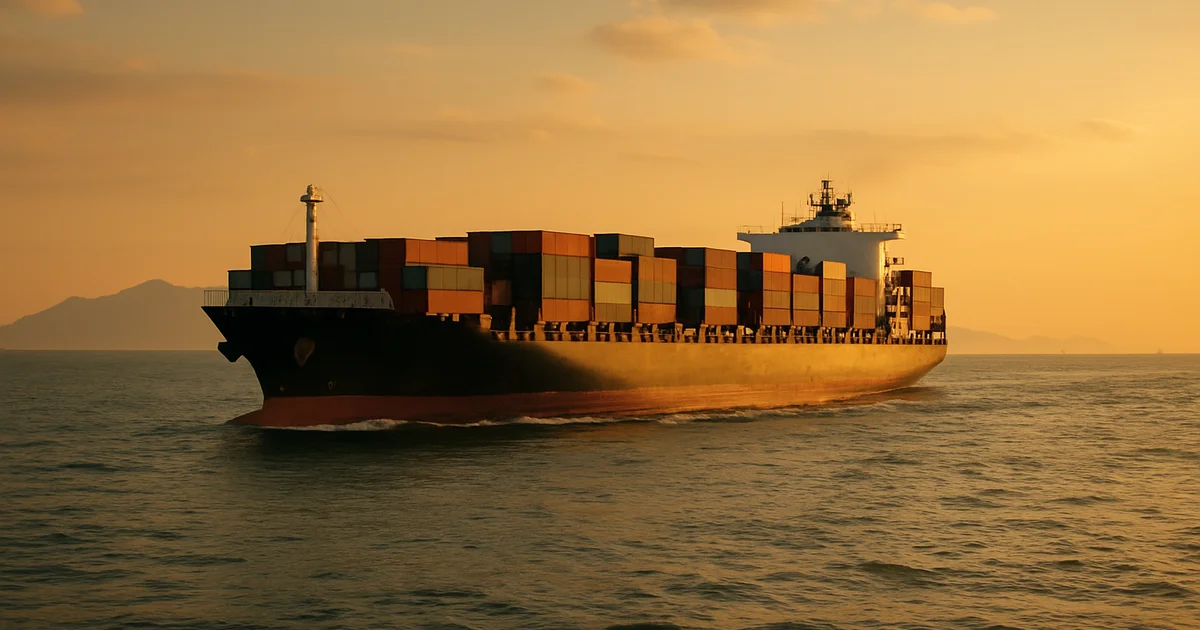
OL Shipping Group is focusing on integrating sustainability into their operational framework, considering a mix of fuel technologies and retrofits to meet the IMO's 2030 and 2050 decarbonisation targets. These include adopting new energy sources such as LNG, hydrogen, and green methanol, alongside energy efficiency measures implemented across its fleet.
According to Koch, "Our approach is grounded in realism and prioritises the scalability and availability of new fuels and technologies." He referenced the importance of collaboration with policymakers, technology providers, and financial institutions in achieving broader industry goals.
Why this matters
The shift towards decarbonisation presents several challenges for ship operators and owners. First, the cost of compliance is significant, with potential retrofitting expenses and fuel transition necessitating substantial investment. These costs can be alleviated through sustainability-linked financing, such as green bonds, providing an innovative avenue to fund decarbonisation efforts.
Moreover, the availability of alternative fuels varies geographically, impacting the feasibility of wide-scale adoption. This brings into focus the need for comprehensive bunkering infrastructure development and supply chain adjustments to support a new era of cleaner maritime operations.
Decarbonisation targets also influence vessel CII ratings and EU ETS exposure, potentially altering market competitiveness. Operators must account for these factors in their strategic planning and fleet management decisions to avoid penalties and maintain regulatory compliance.
The industry is expected to continue adapting its strategies to meet evolving regulations and sustainability demands. The balance lies in deploying cost-effective, scalable solutions that align with both short- and long-term environmental objectives while ensuring operational viability. Stakeholders will need to navigate these complexities with actionable, forward-thinking decarbonisation plans.