China-bound imports face surcharge from shipping giant
A major shipping line has announced the implementation of a new cargo surcharge for goods imported into China, a development that could impact pricing in the world's largest trading nation. According to notifications sent by the company to its customers, the surcharge—listed as a congestion recovery surcharge—will be levied due to operational pressures and increasing congestion at Chinese ports. This added cost will be borne by consignees or shippers, depending on contract terms.
Specific details of the surcharge, including its rate and the effective date, were communicated by the carrier but have not been disclosed by secondary sources. Industry insiders suggest the surcharge is aimed at offsetting costs related to extended dwell times at terminals and rising logistical complexities in the region. Such fees are typically applied when port delays disrupt schedules and increase operational expenses for carriers.
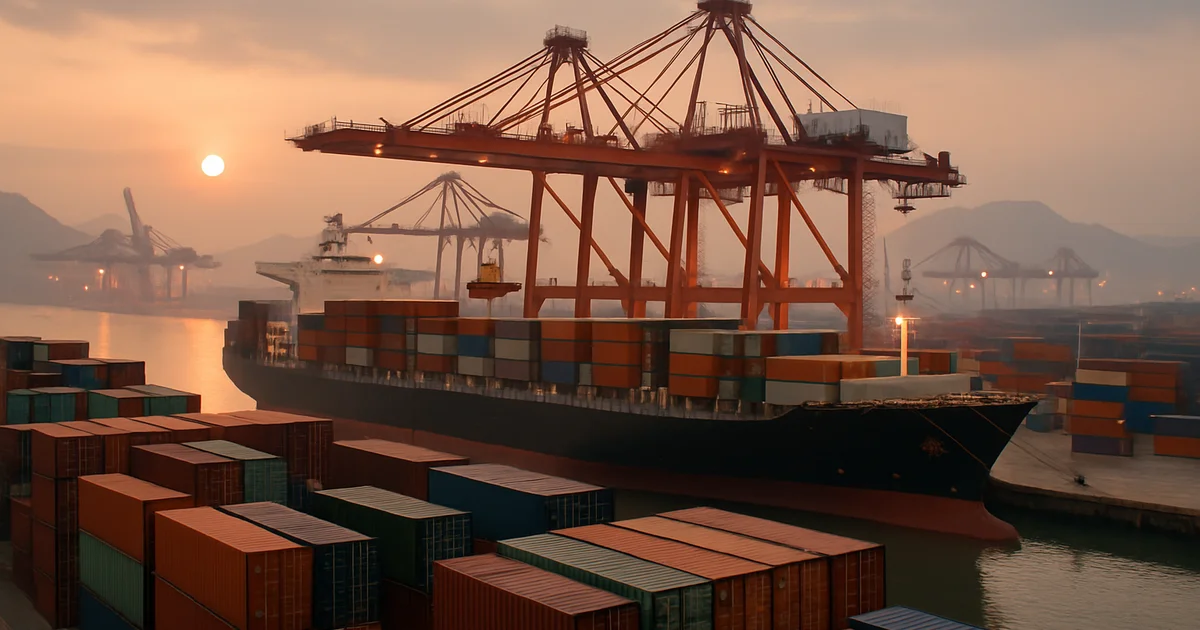
This move mirrors measures adopted in other high-traffic regions, where congestion recovery surcharges have been instituted due to sustained infrastructure constraints and surging demand for container space. China’s ports regularly rank among the busiest globally, and congestion has compounded as trade volumes rebound following pandemic-related slowdowns.
It remains unclear how widespread this new surcharge will be across the industry or whether competing carriers will follow suit. Trade associations have indicated concern about the trickle-down effect on various supply chains reliant on China imports. Affected cargoes could include consumer goods, electronics, raw materials, and components critical to manufacturing industries tied to Chinese suppliers.
Why this matters
The introduction of new congestion recovery surcharges on imports to China has potentially significant implications for global trade flows and operational costs for shippers. Chinese ports serve as critical gateways for international shipping, and additional fees risk amplifying supply chain costs for industries reliant on components imported from China.
For vessel operators, increased congestion recovery mechanisms may serve to counterbalance rising operational costs tied to delays and prolonged berth occupation. However, for forwarders and importers, the added financial burden could narrow profit margins, disrupt pricing models, and necessitate contract renegotiation.
As competing shipping lines evaluate similar surcharges, there may also be broader competitive effects on freight pricing, especially on long-haul container trade routes dependent on Chinese import demand. The maritime industry as a whole needs to monitor how this surcharge alters booking patterns and global trade dynamics.
The surcharge also highlights ongoing infrastructure challenges at major container hubs, underlining the need for long-term port capacity expansions and enhanced supply chain resilience strategies to keep pace with fluctuating demand.
The surcharge’s rollout has potential to shape trade agreements and logistics contracts in the coming quarters. Shippers and logistics providers should evaluate cost implications and tactical adjustments to absorb such changes. Cargo owners importing into China must be ready to include these added fees in cost projections and contract discussions with carriers to mitigate financial exposure. This development underscores the importance of both infrastructure investment and operational adaptability within the global maritime logistics landscape.