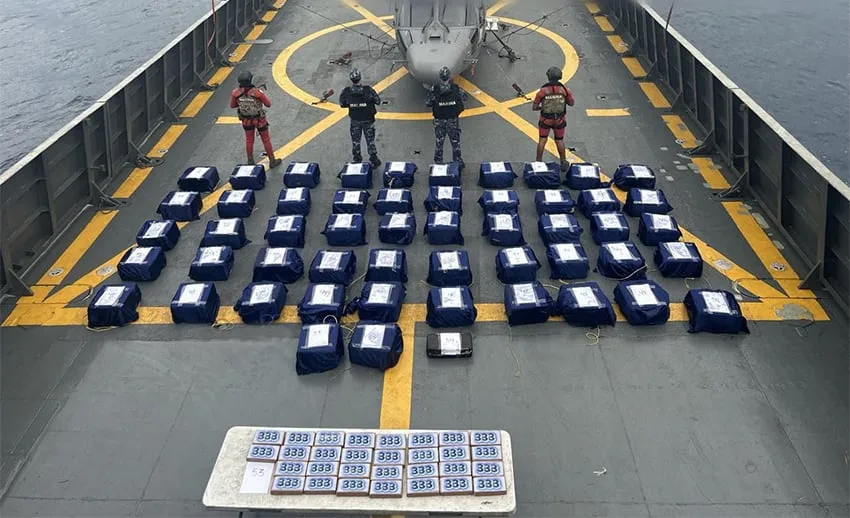
Mexico faces an escalating challenge in combating drug trafficking as transnational criminal organizations increasingly exploit its extensive maritime routes across both the Pacific and Gulf coasts. Recent efforts by Mexican authorities, including a seizure of 1,600 kilograms of cocaine off Guerrero’s coastline, highlight the scale of the issue and the complexities of addressing it effectively. The strategic location of Mexico, situated between South American drug-producing nations and North America's consumer markets, makes its maritime domain a critical transit corridor for illicit substances.
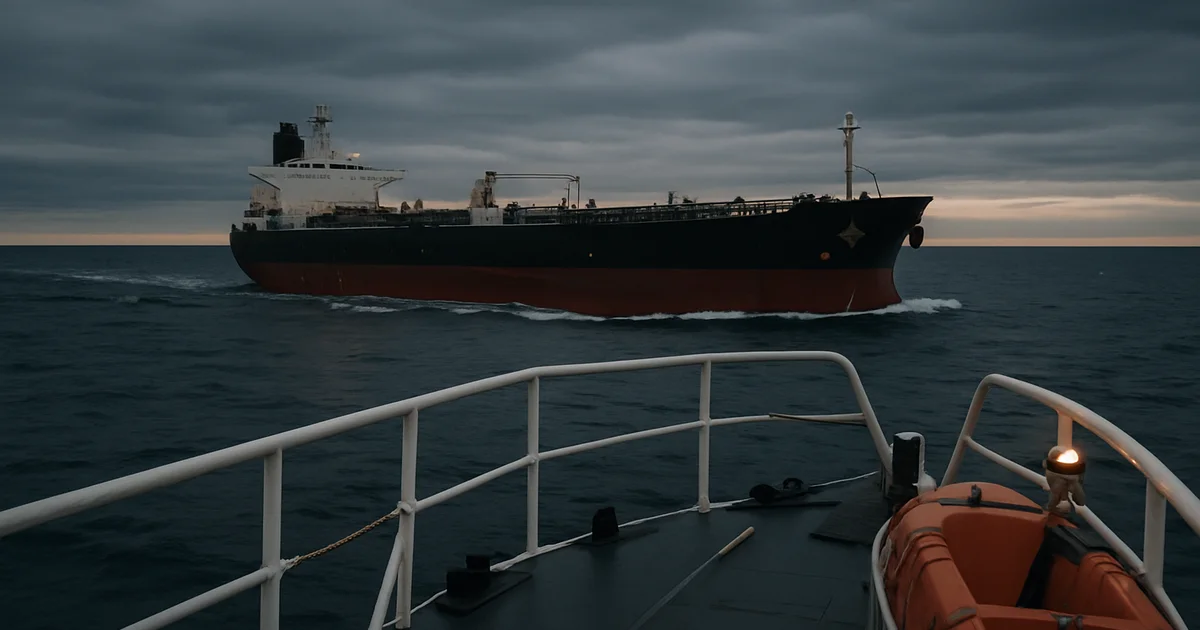
The methods employed by drug traffickers are formidable and varied, ranging from fishing vessels and high-speed boats to larger container ships and even semi-submersibles designed to evade detection. Commonly trafficked substances include cocaine, methamphetamine, marijuana, and synthetic opioids. Despite significant enforcement initiatives, Mexico’s expansive coastline, spanning numerous ports and high-risk areas, poses significant surveillance and interdiction challenges.
Compounding the issue is the use of advanced technologies such as GPS systems, encrypted communications, and sophisticated navigation tools, which enable criminal organizations to manipulate shipping patterns. Issues of corruption, including collusion with port officials or workers, further hinder enforcement efforts. Mexican authorities also face operational constraints due to shortages in personnel, funding, and technical equipment essential for effective monitoring of maritime operations.
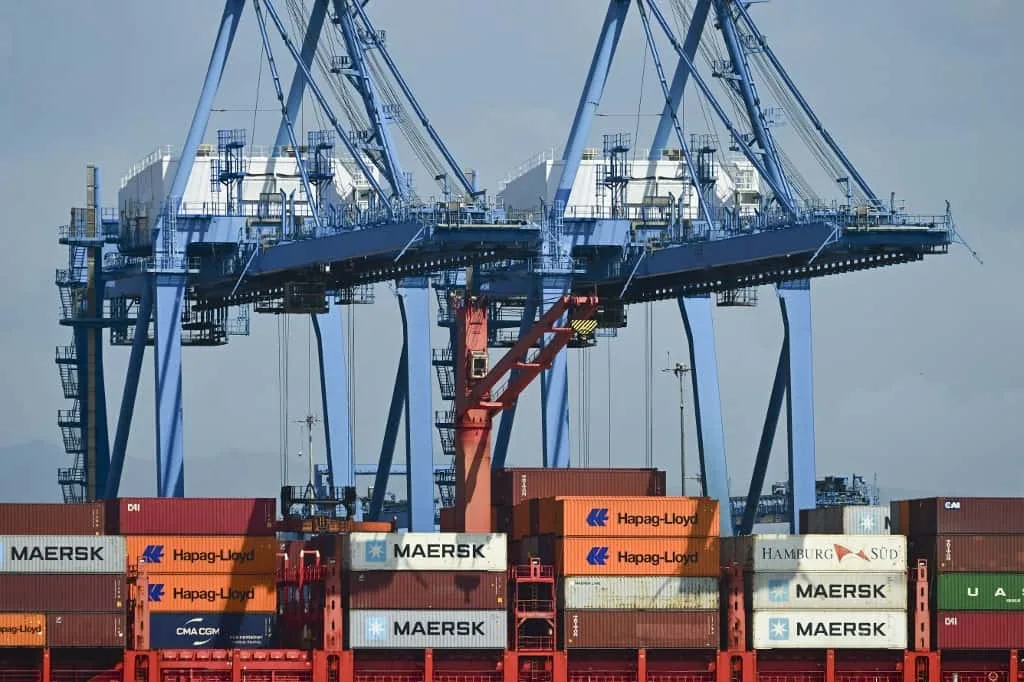
To combat this pervasive threat, stakeholders have adopted a multipronged strategy focusing on strengthening surveillance, advancing technology, fostering international cooperation, implementing anti-corruption initiatives, and engaging coastal communities. Enhanced patrols utilizing naval vessels, radar systems, and drones have been deployed to monitor high-traffic areas. Inspections of containers in major ports have also intensified, powered by automated scanning systems and biometric technologies. Mexico is increasingly tapping artificial intelligence for anomaly detection in shipping patterns and leveraging satellite tracking for vessels suspected of illicit activity.
International collaboration remains pivotal, particularly through intelligence sharing and joint operations with the United States and regional partners in Central America. These efforts have been complemented by harmonized legal frameworks to streamline the prosecution of traffickers. At the domestic level, anti-corruption audits and whistleblower programs aim to address the facilitation of drug trade by port personnel, while coastal community education initiatives provide economic alternatives to discourage complicity in trafficking.
Why this matters
The ongoing exploitation of Mexico’s maritime routes for drug trafficking presents operational, financial, and reputational risks across the marine industry. Shipowners, operators, and port authorities face increased scrutiny as traffickers adapt their methods, imperiling compliance with international customs and security standards. Container vessel operators and cargo handlers are particularly exposed, with heightened security measures potentially disrupting routine activities and creating delays in shipping schedules.
For coastal countries involved in shared trade corridors with Mexico, cooperation in intelligence sharing and joint maritime enforcement allows for more accurate targeting of trafficker activities, reducing risks for commercial shipping within affected areas. Advanced technologies such as satellite surveillance and AI-based shipment monitoring may become industry-wide necessities, driving operational costs higher for both governments and private maritime operators.
Failing to contain drug trafficking via maritime routes also elevates the danger of vessel detentions under regulatory scrutiny or legal action, potentially forcing insurers to reconsider coverage parameters, further complicating maritime logistics operations.
Moving forward, enforcement agencies and private stakeholders in Mexico’s maritime domain must prioritize resource allocation towards technology-intensive solutions and policy harmonization. Scaling international coordination to address other trafficking nodes beyond Mexico’s coasts will also be vital in minimizing the operational risks posed to legitimate trade routes within the region.