Anti-corruption ·Bangladesh ·Myanmar
Rohingya Refugees Undertake Dangerous Sea Journeys Amid Food Scarcity and Uncertain Futures
Scarce food, bleak futures spur Rohingya refugees to gamble with death at sea The Business Standard
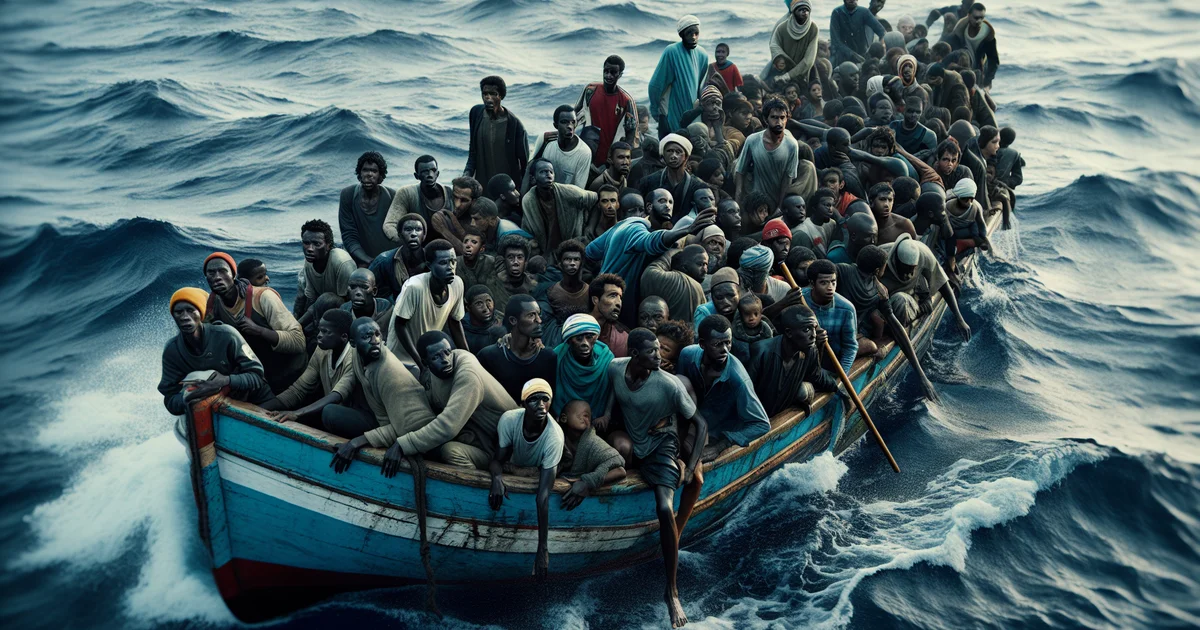
Rohingya refugees are increasingly undertaking perilous sea journeys in search of better living conditions, driven by food scarcity and limited prospects in their current situations. Many of these individuals have been displaced from their homes in Myanmar and have sought refuge in neighboring countries, particularly in Bangladesh.
The humanitarian crisis facing the Rohingya population has led to significant challenges, including restricted access to essential resources such as food, clean water, and healthcare. Reports indicate that conditions in refugee camps are often overcrowded, with insufficient facilities to support the growing population. As a result, many Rohingya individuals and families are contemplating risky maritime routes as a means of escape.
The journeys undertaken often involve overcrowded and unseaworthy vessels, which can lead to dangerous situations at sea, including capsizing and encounters with adverse weather conditions. Human traffickers have taken advantage of the desperation among refugees, charging exorbitant fees for passage and putting lives at further risk. Some reports highlight the plight of those who have faced violence, extortion, and exploitation during these treacherous journeys.
The international community has expressed concern over the Rohingya crisis, with various organizations calling for increased humanitarian aid and support for safe migration pathways. However, challenges remain in addressing the root causes of the Rohingya's plight, including the ongoing situation in Myanmar, where many continue to face persecution.
As the situation evolves, the plight of the Rohingya remains a complex humanitarian issue, with many individuals caught between the dangers of their current circumstances and the risks associated with seeking a future elsewhere.