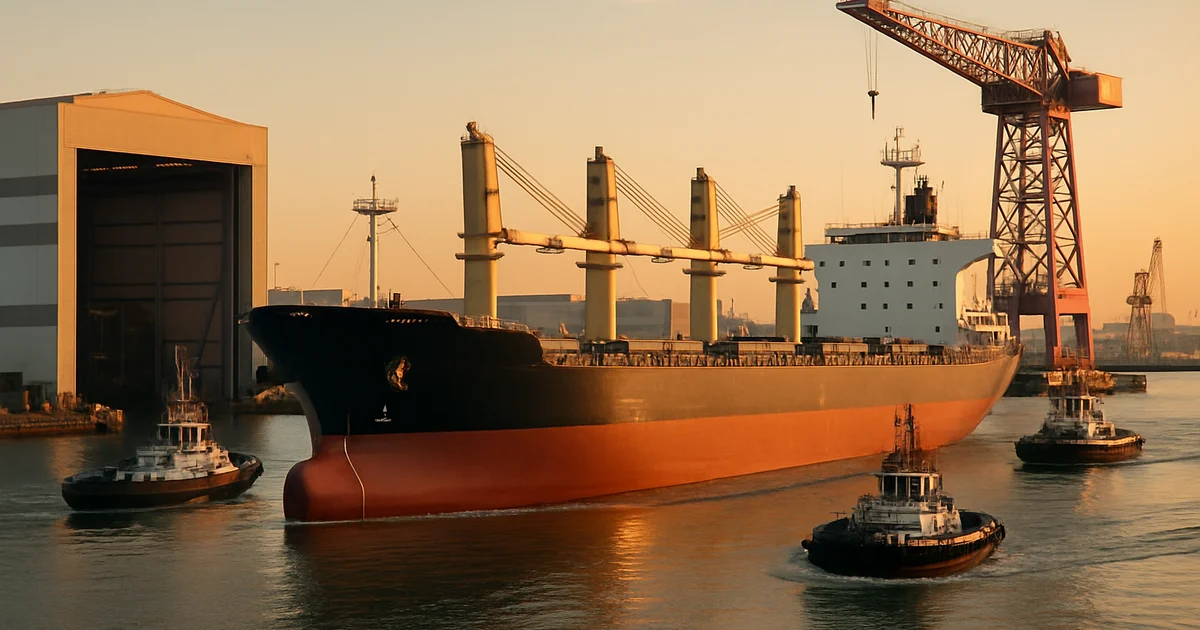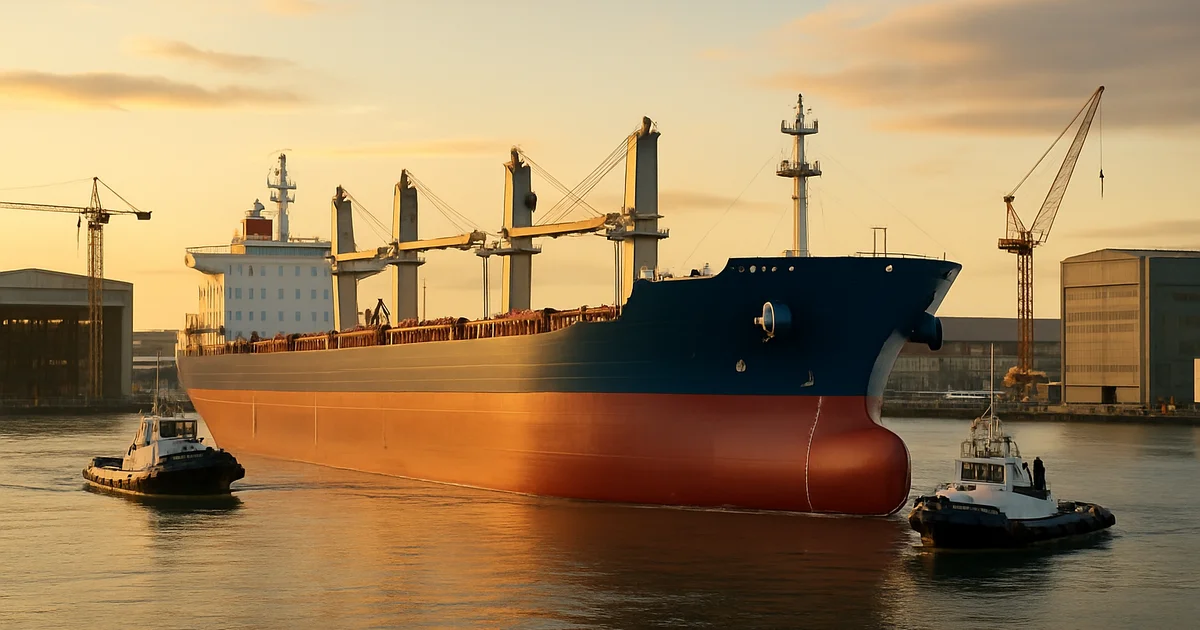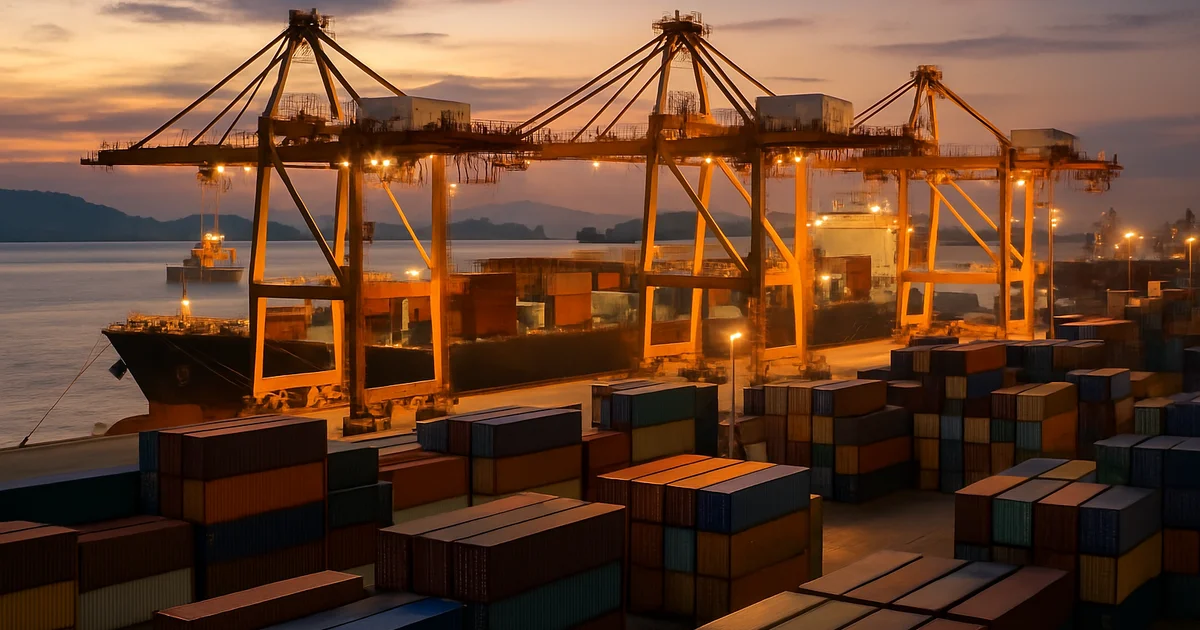
Penang Port, a key maritime hub in Malaysia, has implemented its first Vessel Traffic Management System (VTMS), marking a significant advancement for regional connectivity and safety. The system aims to improve operational efficiency, enhance cruise tourism, and foster cargo growth alongside trade collaborations with neighboring countries. With this launch, Penang Port establishes critical links to Indonesia and Myanmar, strengthening its position as a regional trade facilitator.
The newly operational VTMS allows Penang Port to manage vessel activity more effectively, particularly in the Straits of Malacca, one of the world's busiest shipping lanes. According to reports, the VTMS features advanced navigation tools to monitor maritime traffic, ensuring safer and more streamlined operations for cargo vessels and cruise liners. This improvement aligns with Malaysia’s strategic maritime objectives and positions Penang as a vital node within Southeast Asia's growing trade networks.
Officials from Penang Port have emphasized the advantages of the VTMS for both commercial and tourist sectors. The enhanced traffic management capabilities reduce risks associated with congestion and collisions, particularly given the dense maritime activity in the region. Furthermore, the system is expected to provide robust support for the port’s cruise tourism initiatives, targeting an increase in passenger arrivals and economic inflows from the growing leisure travel market.
The trade corridors linking Malaysia with Myanmar and Indonesia are also expected to benefit from improved cargo handling efficiency. With Penang Port's adoption of VTMS, cross-border logistics processes could experience smoother operations, reinforcing its role as a transshipment hub. Regional exporters and importers stand to gain from faster turnaround times and greater reliability in freight schedules, which could enhance trade volume capacity and competitiveness.
Why this matters
The deployment of the VTMS at Penang Port demonstrates how targeted technological upgrades can address operational challenges and unlock new opportunities across the maritime sector. By enabling safer navigation in the Straits of Malacca, one of the most critical chokepoints for global shipping, Penang Port reduces risks not only for its inbound and outbound vessels but also for overall regional shipping traffic.
This development is particularly relevant for cruise operators and tourist-focused agencies, which depend on smooth port operations to maintain itineraries and ensure passenger satisfaction. Penang’s enhanced capabilities could position it as a competitive destination for cruise traffic, boosting tourism receipts and ancillary revenue streams for the local economy.
On the cargo side, integration with trading corridors to Myanmar and Indonesia reflects Malaysia’s strategic push to strengthen intra-ASEAN logistics networks. The VTMS implementation could result in reduced delays and improved scheduling reliability, benefitting shippers and forwarders operating within this vibrant regional trade ecosystem.
Furthermore, as Southeast Asia continues to expand its maritime infrastructure to meet rising global trade demands, efforts like these underscore the strategic importance of ports investing in advanced traffic management systems to remain competitive and compliant with international safety standards.
Looking ahead, Penang Port’s VTMS adoption sets a regional benchmark for vessel management and safety. As operational data accrues, insights from this technology may further inform traffic regulation implementations across other Malaysian ports and neighboring trade hubs. Industry stakeholders in both cargo and passenger sectors will be closely monitoring improvements in throughput and reliability stemming from this investment.