The container shipping market has seen an earlier-than-expected peak season surge, accompanied by a sharp rise in freight rates on key global trade routes. Data from the latest Baltic Exchange assessments shows spot rates climbing significantly on the Asia-Europe and transpacific corridors, driven by higher-than-usual pre-holiday demand and inventory restocking among retailers.
Freight rates on the Shanghai Containerized Freight Index (SCFI), a key benchmark for container shipping, demonstrated notable increases in recent weeks. For instance, the spot rate for shipments from Shanghai to Northern Europe rose to $1,500 per TEU, up from $1,200 a week earlier. Similarly, rates to the U.S. West Coast saw an uptick to $2,000 per TEU, compared to $1,650 during the prior assessment. The increase has reportedly been supported by higher-than-normal load factors on outbound vessels and a tightening of space availability at major export ports.
According to logistics providers, a combination of pre-Christmas stocking and shifts in manufacturing output from China to Southeast Asia have contributed to the unexpectedly early surge. Forwarders have noted growing demand for Eastbound freight originating in Vietnam, Thailand, and Indonesia, as shippers diversify sourcing strategies. Additionally, declining idle fleet numbers suggest that liner operators are deploying more tonnage to cater to the increased activity.
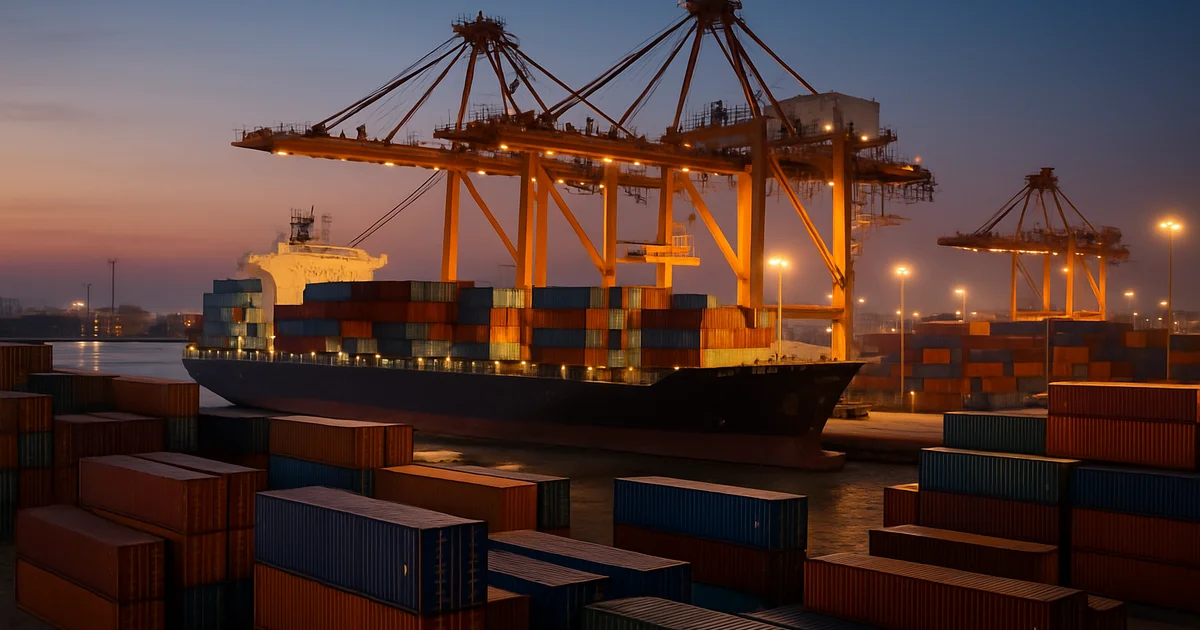
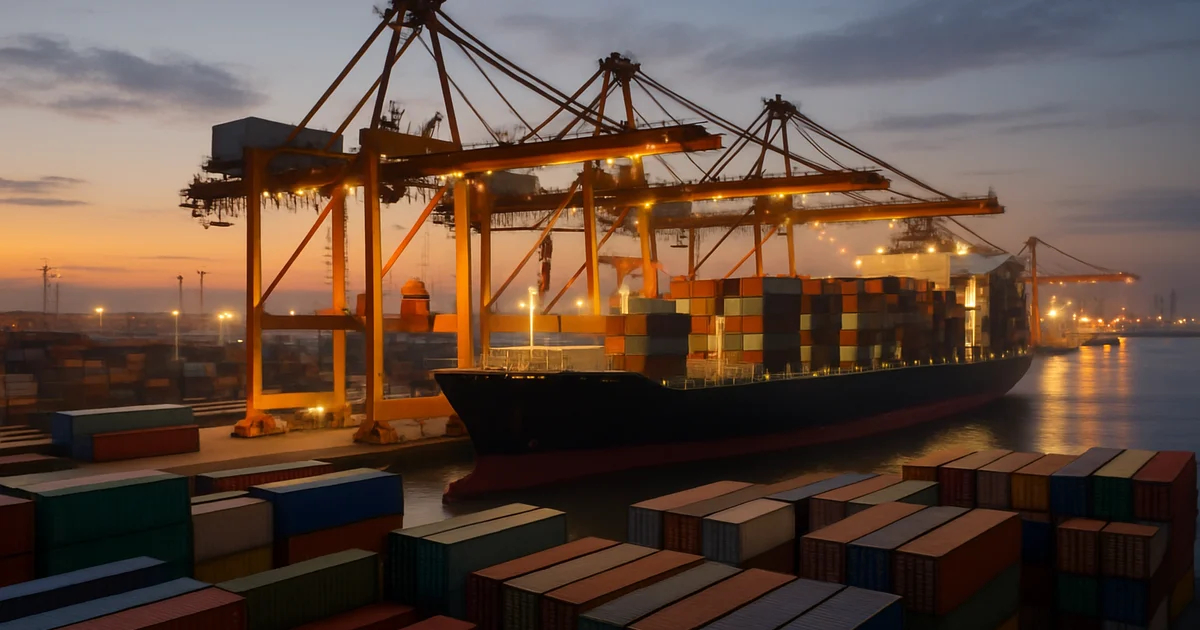
Port congestion, another contributing factor, has been flagged at several key transshipment and gateway hubs. Marine terminals in Los Angeles and Long Beach are reporting longer dwell times, with berth availability impacted by vessel bunching and higher container turnover rates. European ports like Rotterdam and Antwerp have also observed heightened yard utilization levels ahead of the seasonal cargo surge.
Why this matters
The rise in freight rates and early peak season signal mounting pressure on global supply chains, potentially driving up costs for shippers and final consumers. Higher container spot rates may extend operational challenges to small and medium-sized enterprises reliant on predictable shipping costs. For freight forwarders, the increased demand emphasizes the need for space allocation and equipment readiness amid tight schedules.
Port congestion exacerbates difficulties for vessel operators, particularly as turnaround times and schedule reliability remain critical. With container tonnage heavily concentrated on specific trade lanes, shifts in cargo movement highlight regional sourcing trends and the adaptability of shipping networks under volatile economic conditions.
Global liner operators and port terminals may need to recalibrate schedules and resources to prevent bottlenecks during this peak season, while shippers could face further disruptions if volumes continue to outpace capacity.
As container freight rates remain elevated and demand patterns unpredictable, stakeholders within the maritime industry will closely monitor developments to adjust operations and mitigate risks. Operators and forwarders can expect further shifts in both supply chain dynamics and freight rate trends in the months ahead.