Dubai's Emarat Maritime has contracted for up to six new feeder containerships from a Chinese shipbuilder.
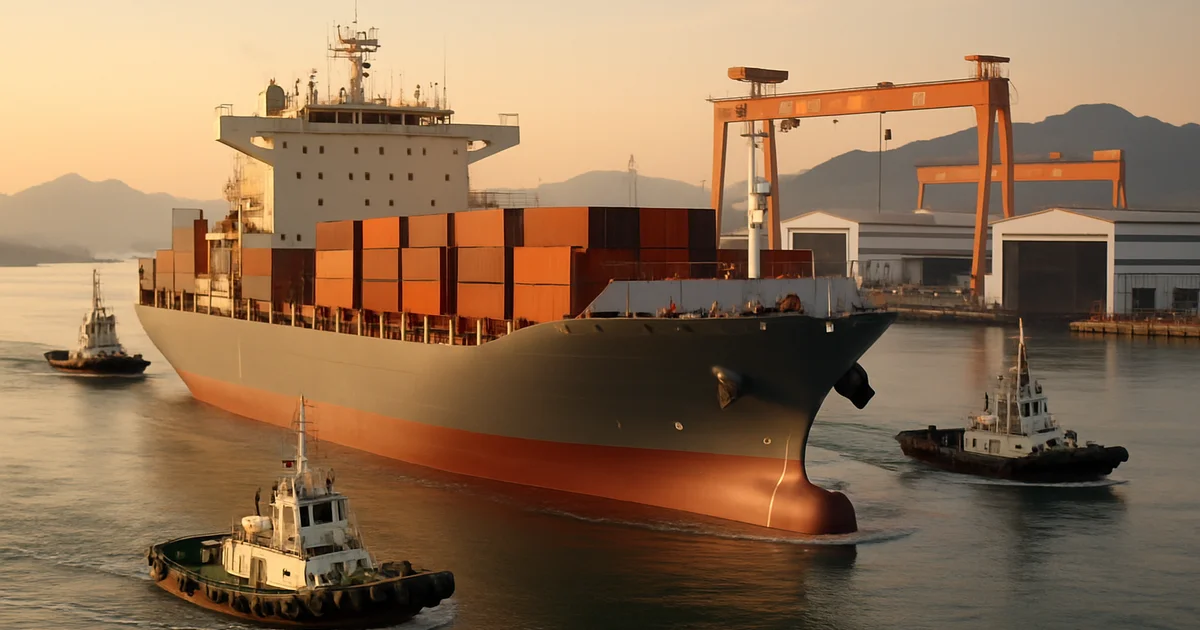
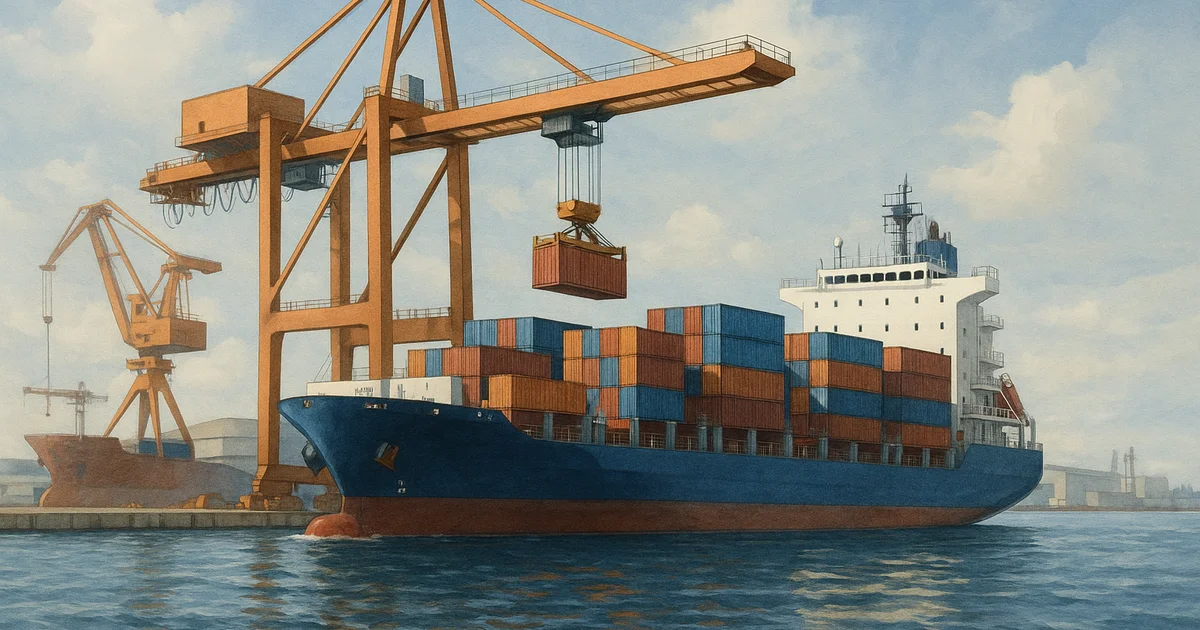
Emarat Maritime, a shipowner based in Dubai, has placed an order for up to six feeder containerships at Guangji Xinneng Shipbuilding in China. According to Clarksons Research, the company has confirmed three firm vessels with a capacity of 930 TEU, along with options for an additional three units. The delivery of the firm vessels is scheduled for 2028, although no price for the contract has been disclosed.
This order is part of Emarat Maritime's strategy to enhance its existing container shipping activities. The company, which is primarily known for its tanker and dry bulk operations, has been gradually expanding its interests beyond its traditional markets. The addition of these newbuildings will contribute to the company's growing portfolio, which already includes a small fleet of containerships.
Broker Braemar noted that Emarat Maritime opted for newbuildings after several years of evaluating opportunities in the secondhand vessel market. The decision to invest in new vessels reflects a proactive approach to fleet expansion, aligning with the company's long-term growth objectives.
Emarat Maritime currently operates a diverse fleet of 19 vessels, which encompasses tankers, dry bulk carriers, and containerships. The privately owned company maintains LR1 and LR2 tankers, as well as supramax and ultramax bulk carriers, while also pursuing an active newbuilding programme.
Why it matters
The expansion of Emarat Maritime's fleet through this order indicates a strong commitment to growth within the shipping sector. By investing in new vessels, the company is not only enhancing its container shipping activities but also signalling confidence in future market opportunities. This move is essential for maritime executives to monitor as it reflects trends in fleet expansion and investment in new technologies.
Asia maritime implications
The order from Emarat Maritime highlights the critical role of Asian shipbuilders, particularly Guangji Xinneng Shipbuilding, in the global maritime industry. This development underscores ongoing investment in fleet expansion, which is vital for meeting rising demand in shipping. Furthermore, it showcases the strengthening ties between Middle Eastern shipping companies and Asian shipbuilders.