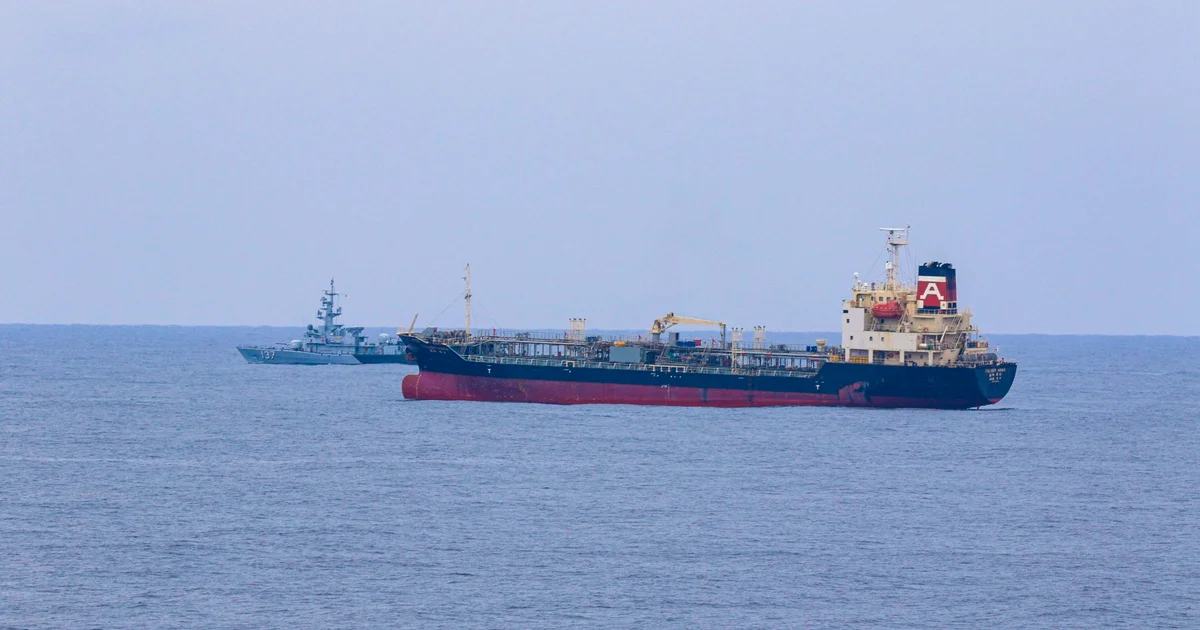
The article discusses Malaysia’s maritime governance priorities and challenges, framed within the broader context of its strategic positioning as outlined in its 2020 Defence White Paper, which emphasizes Malaysia as a “Maritime Nation with Continental Roots.” This policy stresses the country’s role as a bridge between the Asia-Pacific and Indian Ocean regions, focusing on protecting its strategic waterways and airspace, asserting national sovereignty, and defending economic interests, particularly related to oil, gas, fisheries, and port activities.
Maritime Governance Priorities:
-
Legal Instrumentation: Malaysia seeks to safeguard its territorial waters through legal frameworks, primarily the United Nations Convention on the Law of the Sea (UNCLOS), which it ratified in 1996. Notable initiatives have included submissions in 2009 and 2019 to reinforce claims in the South China Sea, indicating a commitment to resolving disputes legally rather than militarily.
-
Diplomatic Engagement: Malaysia prioritizes maintaining inclusive and constructive diplomatic channels to manage disputes, notably through negotiations like the ASEAN-China Code of Conduct and protests against assertive actions by other claimant states, especially China.
-
Defense Partnerships: Strengthening defense capabilities is essential for Malaysia, leading to collaborations with countries like the United States, Australia, and China. These partnerships aim to enhance Malaysia’s maritime capability through naval cooperation and asset procurement.
-
Law Enforcement Agencies: Enhancing the capacity of its maritime law enforcement agencies, such as the Malaysia Maritime Enforcement Agency (MMEA) and the Royal Malaysian Navy (RMN), is pivotal. These agencies not only protect maritime rights but also address transnational crimes such as terrorism and illegal fishing.
Critical Maritime Security Challenges:
Malaysia faces several significant maritime security challenges, including:
- Boundary Disputes: Complications arise from maritime boundary disagreements in the South China Sea and with neighboring states, notably Indonesia and the Philippines.
- China’s Assertiveness: Incursions by Chinese vessels, including the 2020 standoff near Borneo, pose a direct threat to Malaysia’s sovereignty and economic interests.
- Non-traditional Security Threats: Issues such as illegal fishing, estimated to cost Malaysia billions annually, alongside rising terrorism and illegal migration, represent substantial risks to national security.
Governance Strengths and Gaps:
Malaysia’s strengths lie in its application of international legal frameworks and defense partnerships that bolster its maritime governance. However, it encounters critical gaps, including a limited defense budget (less than 1% of its GDP compared to Singapore’s 6%), inadequate inter-agency coordination, and aging defense assets.
Areas for International Cooperation:
Enhancing international cooperation can improve Malaysia’s maritime governance capacity through:
- Joint Training and Exercises: Collaborations with various nations can enhance surveillance and operational readiness.
- Technology-Based Cooperation: Leveraging advanced defense technologies can improve Malaysia’s capabilities against emerging maritime threats.
- Confidence-Building Measures: Strengthening regional collaboration through initiatives aligned with UNCLOS will aid in conflict prevention and resolution.
Contribution of Security Frameworks:
Regional and minilateral frameworks, such as ASEAN and trilateral security arrangements, help consolidate Malaysia’s stance on maritime governance. These platforms promote cooperative efforts in capacity building, joint operations, and technology sharing, which are crucial to addressing maritime security challenges efficiently.
In summary, while Malaysia has identified clear priorities within its maritime governance strategy, it must address significant capacity gaps and leverage international collaboration to effectively manage both traditional and non-traditional security threats.