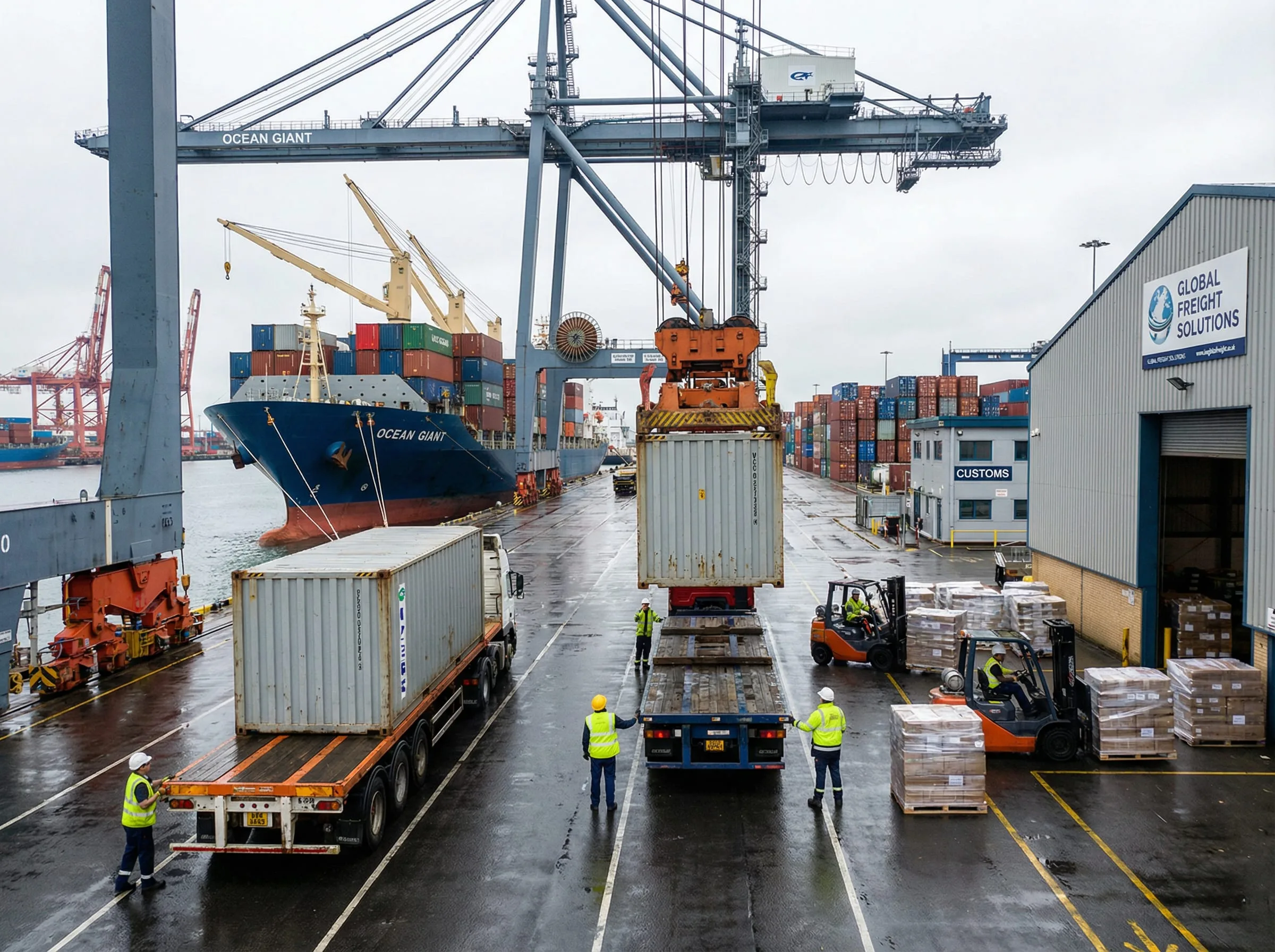
The maritime industry's reliance on freight forwarding and cargo handling has grown exponentially as global trade accelerates. With operations spanning across containerized shipping, inventory coordination, and terminal efficiency, these integrated processes form the backbone of supply chains worldwide. Efficient cargo management and logistics strategies are pivotal for ensuring smooth operations across shipping routes and port terminals, particularly as the sector faces heightened demand and evolving challenges.
Freight forwarding represents a crucial link in the shipping chain, connecting manufacturers and producers to their final markets, customers, or points of distribution. Freight forwarders play a key role in organizing transport across modalities—seaborne, airborne, rail, and road—and negotiating favorable terms for clients. Critical functions include managing transportation documentation such as bills of lading, insurance certificates, and customs paperwork, alongside real-time shipment tracking and risk mitigation measures to assure cargo security during transit.
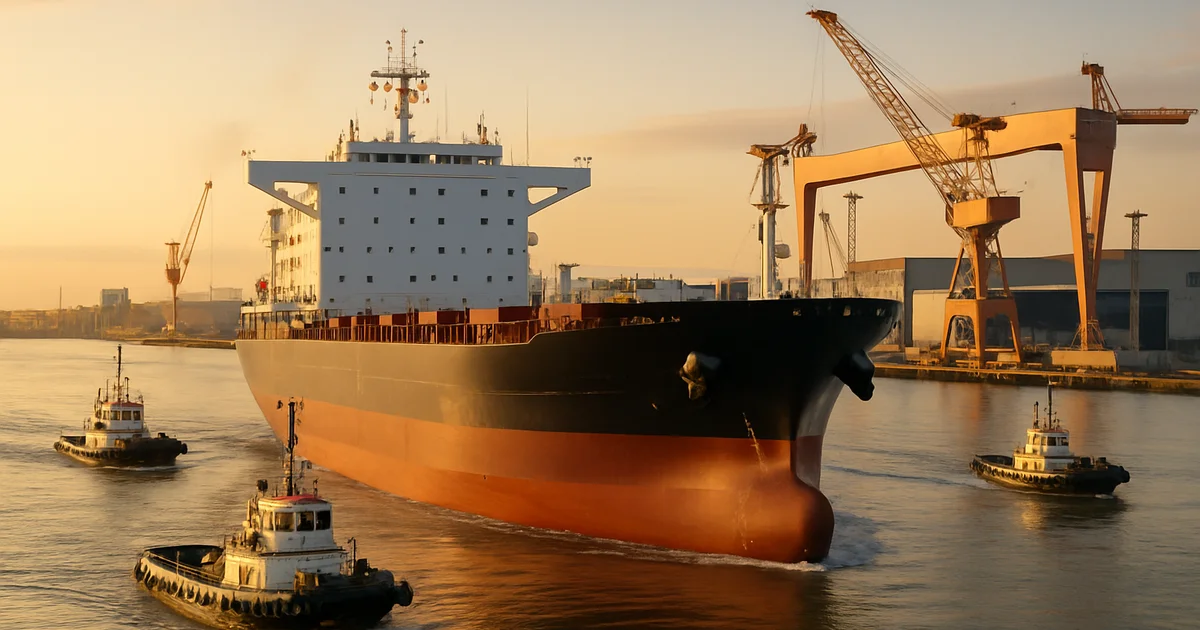
Cargo handling operations, concentrated at ports and terminals, have historical significance as hubs of maritime logistics. These activities cover the loading, unloading, and physical management of goods utilizing sophisticated technologies such as automated cranes, conveyors, and guided vehicles. With global demand surging, ports have increasingly deployed scalable solutions to minimize bottlenecks, enhance operational efficiency, and improve safety protocols. Handling hazardous or fragile materials requires highly trained personnel and robust systems to avert delays or cargo losses.
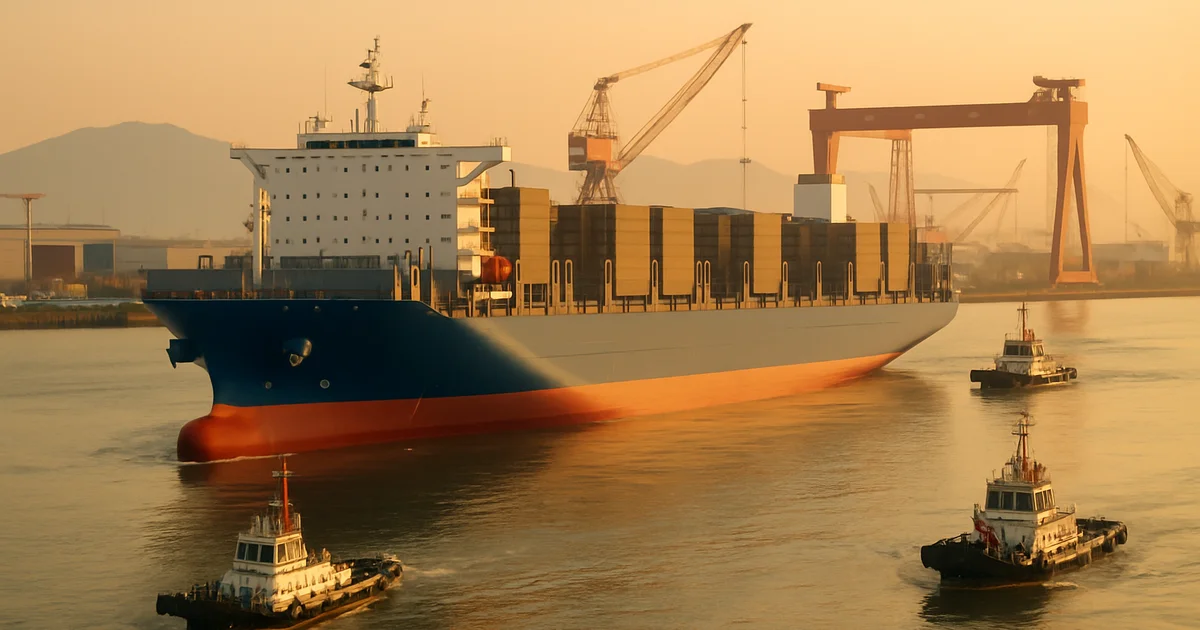
Containerization remains one of the most transformative innovations within maritime trade. Standardized container units allow goods to seamlessly transfer between ships, trucks, and trains, optimizing transit times and reducing overall costs. This methodology has also bolstered cargo security by minimizing exposure to theft or damage. The efficiency improvements from containerization have directly supported trade lane fluidity, enabling economies of scale previously unattainable through bulk shipping practices.
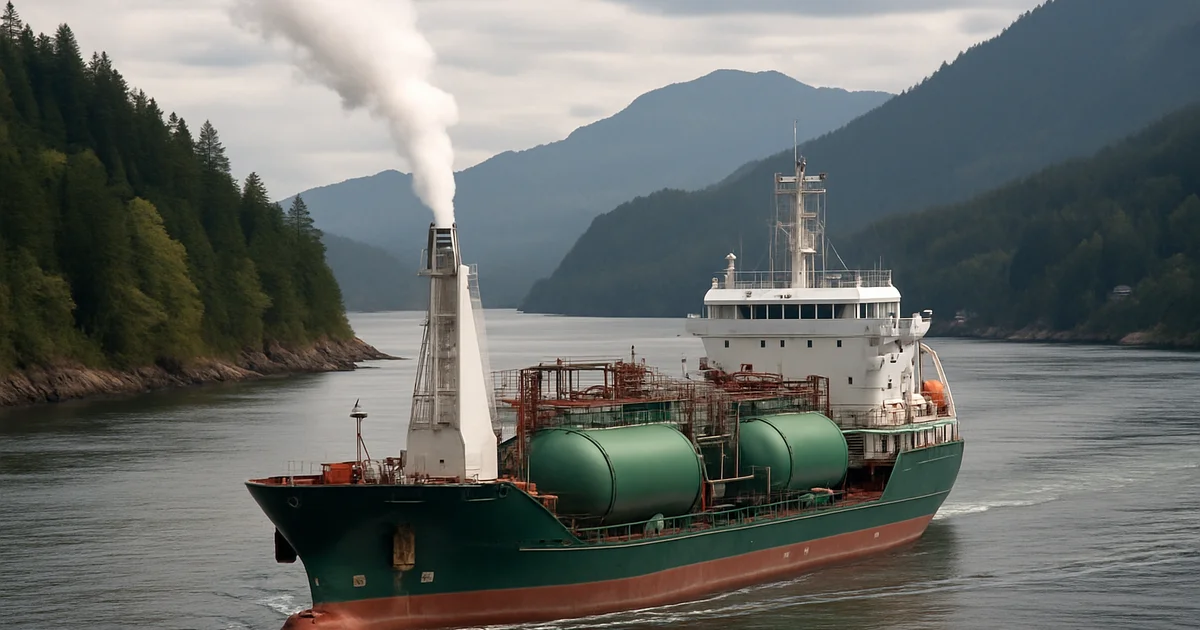
The operational synergy between freight forwarding, cargo handling, and global logistics has embraced key trends emphasizing digitalization and sustainability. Digital platforms now provide real-time tracking, predictive analytics, and automated documentation processes—all of which improve transparency across logistics networks. Concurrently, efforts toward energy-efficient transport solutions and emissions reduction align maritime logistics with prevailing environmental standards, ensuring sustainable growth.
Why this matters
For shipowners, freight operators, and port authorities, the integration of efficient freight forwarding and cargo management strategies enhances operational reliability while reducing costs. Real-time tracking systems bolster client confidence by offering granular visibility into shipment progress, particularly on intercontinental routes. With tighter port congestion expected in some geographies due to rising commodity flows, leveraging automated cargo handling systems minimizes berth delays and accelerates throughput.
Containerization continues to shape vessel design and trade corridors, prompting operators to revisit fleet configurations and adopt larger tonnage capacities to meet demand. The maritime industry's shift towards digitalized logistics networks also underscores the competitive advantages of adopting predictive analytics and data-driven transport scheduling. This evolution is especially critical for industry players navigating externally induced disruptions, such as fluctuating fuel prices and geopolitical tensions.
As freight forwarding and cargo handling evolve with technological investments, the balance between innovation and regulatory adherence will dictate industrial resilience. Industry stakeholders, from freight brokers to terminal operators, must prioritize scalable solutions and embrace emerging logistics trends to sustain competitiveness in an increasingly complex trade environment.