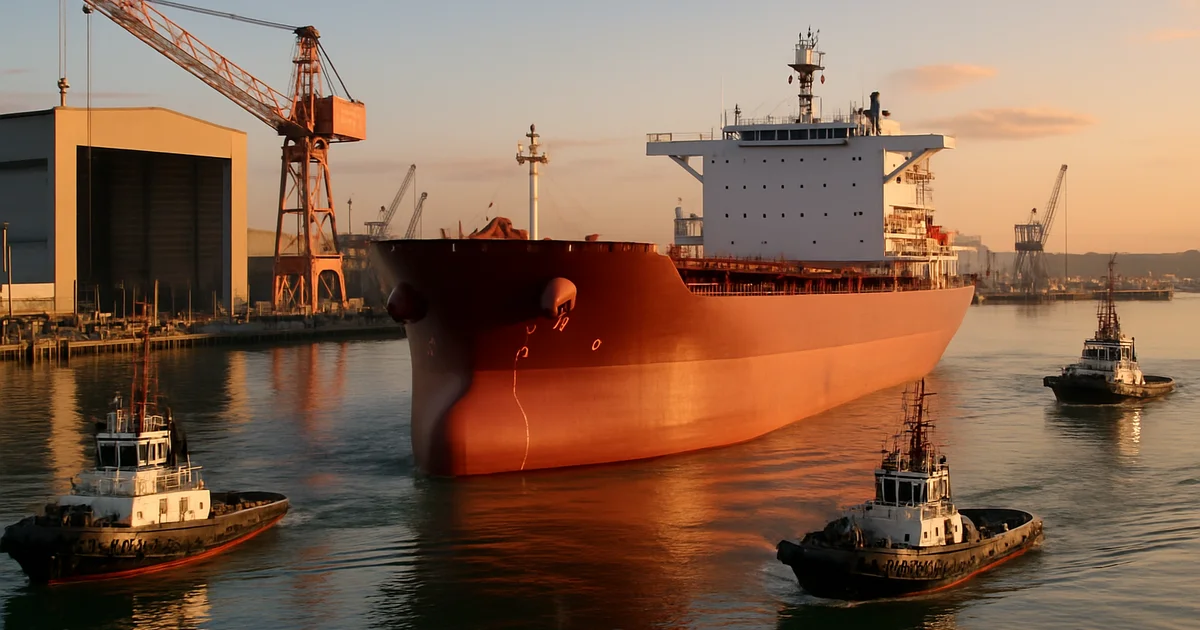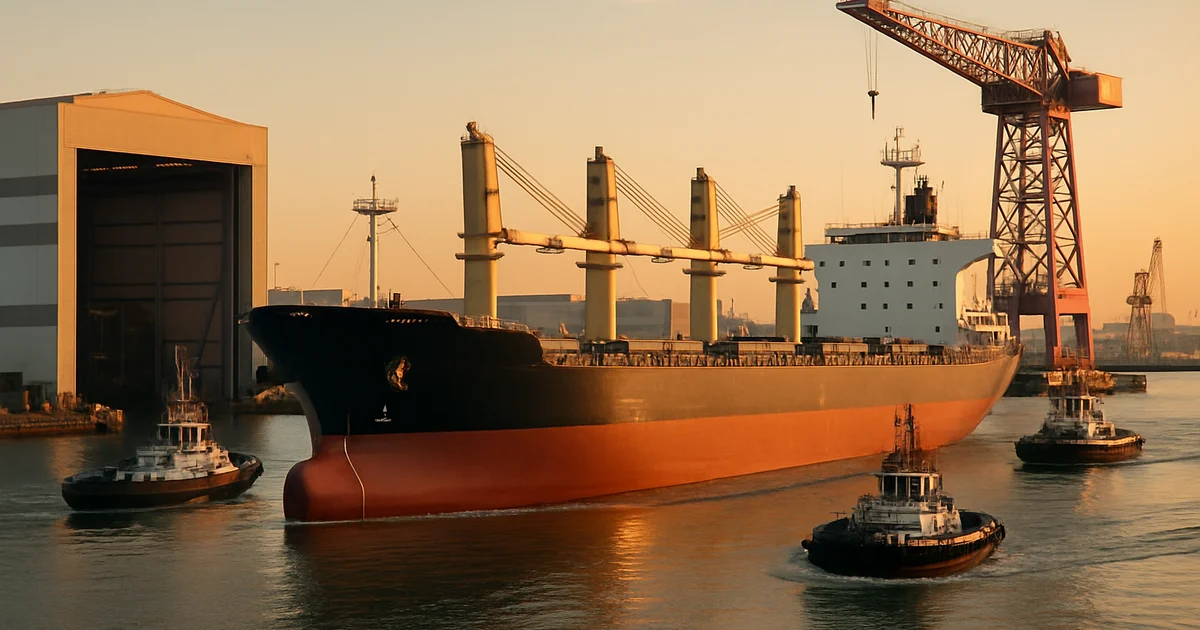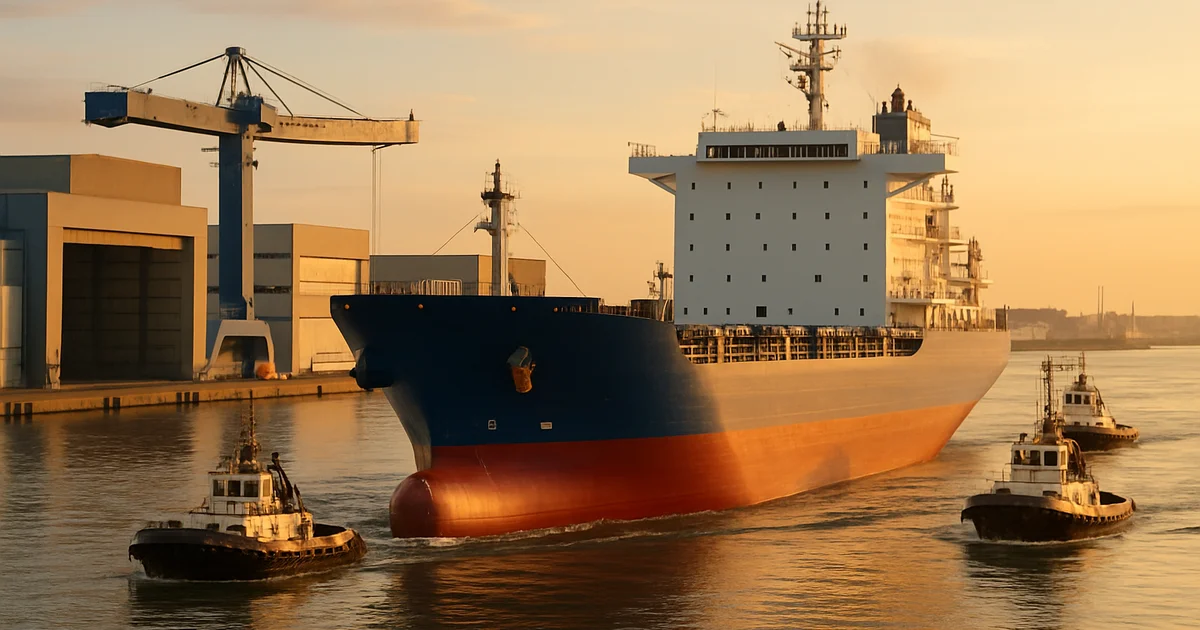
Huntington Ingalls Industries (HII) has strengthened its manufacturing network by integrating Halimar Shipyard in Morgan City, Louisiana into the production of the ROMULUS unmanned surface vessel (USV). This addition aims to bolster HII's manufacturing capacity along the Gulf Coast, a strategic move to meet increasing demand in autonomous maritime systems.
Halimar Shipyard is known for its capabilities in constructing complex vessels, including those for the offshore and energy sectors. The yard's inclusion into HII's production network will support the efficiency in building the ROMULUS USVs. These vessels are pivotal in defense applications, particularly for intelligence, surveillance, and reconnaissance missions.
Duane Fotheringham, President of Unmanned Systems at HII, emphasized that integrating Halimar Shipyard is crucial for scaling up USV production. He noted that Halimar's facility offers key advantages in terms of both proximity to supply chains and availability of skilled labor. This expansion aligns with HII's overall strategy to enhance its autonomous maritime capabilities.
HII, a leader in the defense sector, has been focused on increasing its capacity to deliver advanced unmanned solutions to both U.S. and international markets. The ROMULUS is part of a broader move towards deploying cutting-edge technology within naval operations, enabling enhanced situational awareness and operational effectiveness.
Why this matters
The inclusion of Halimar Shipyard into the ROMULUS production program signifies a strategic expansion in the manufacturing footprint of autonomous vessels in the United States. For shipbuilders and defense contractors, this cooperation underscores a growing demand for unmanned systems that offer strategic advantages in both military and commercial applications.
For operators and defense agencies, the local production capacity in the Gulf Coast region promises shorter delivery lead times and enhanced support for fleet maintenance and upgrades. The regional expansion could also catalyze technological advancements and workforce development in maritime manufacturing, benefiting the wider industrial base.
The decision to expand capacity also reflects broader industry trends towards automation and enhanced maritime security. The integration may encourage other shipyards to innovate or partner within the autonomous vessel space, amplifying the pace of technological advancements across the sector.
Looking ahead, HII's partnership with Halimar Shipyard could be a precursor to further collaborations aimed at integrating advanced technologies within the naval fleets. With an increased focus on developing unmanned capabilities, stakeholders across the defense and maritime industries may watch closely for similar expansions in capacity and capability among maritime defense contractors. This move can reshape operational readiness and strategic deployments in defense technology.