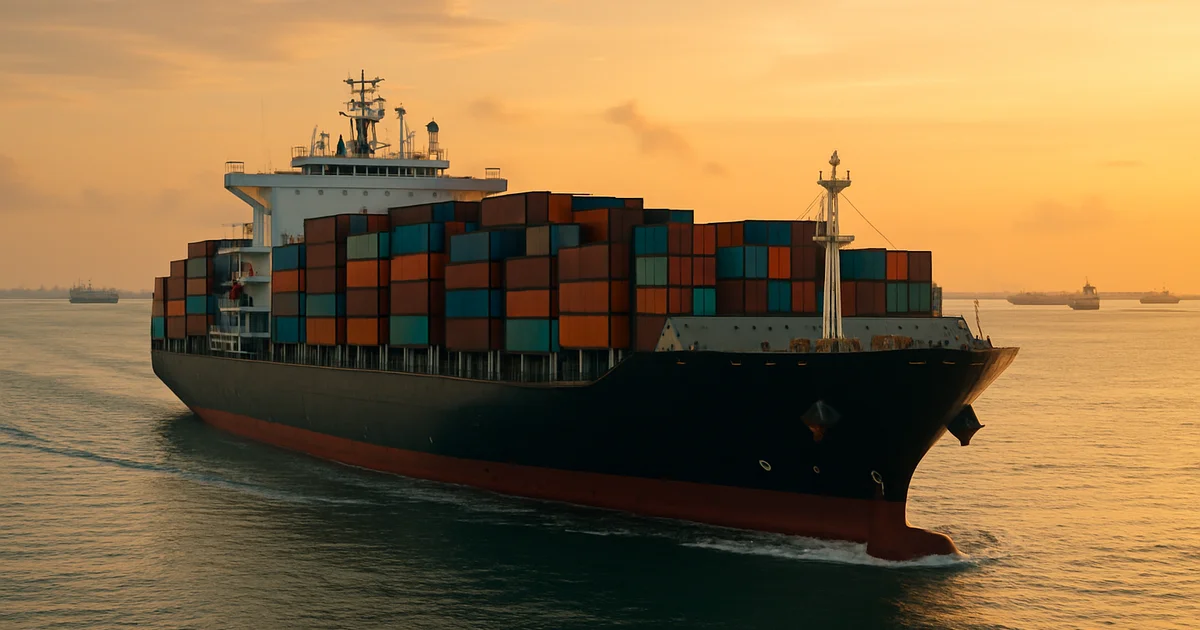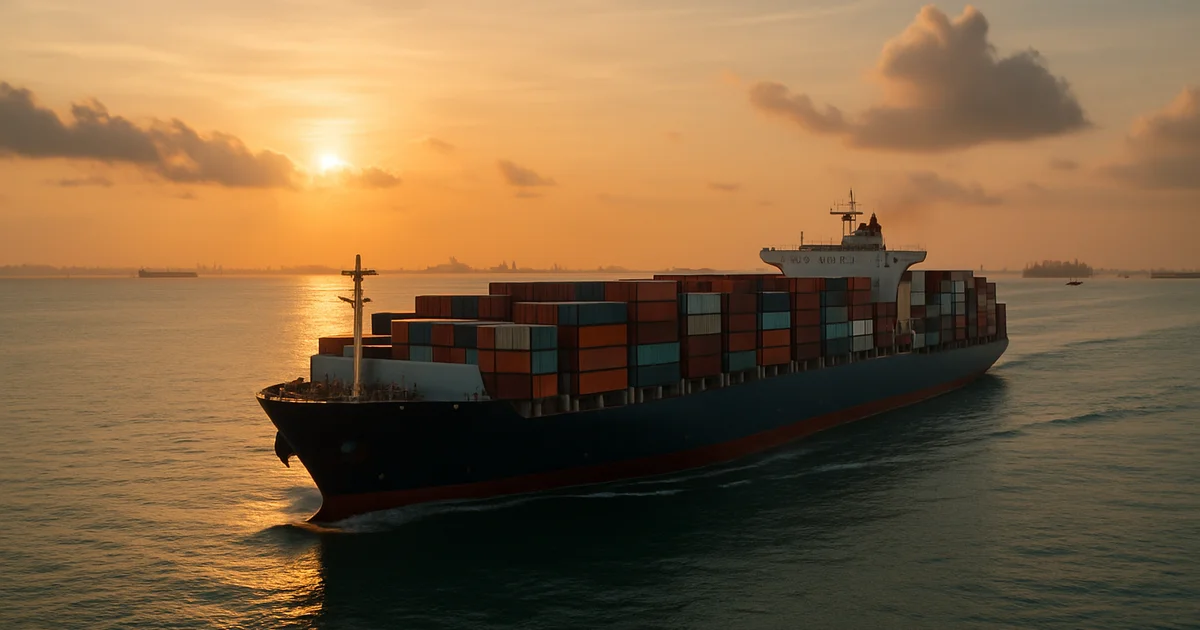
The International Maritime Organization (IMO) has adopted a resolution led by Singapore aimed at enhancing the protection of vital shipping lanes. This strategic move seeks to secure the safe and uninterrupted passage of global maritime traffic, which is essential for worldwide trade operations. The resolution underscores the importance of safeguarding key maritime routes that are crucial for international shipping, particularly those that facilitate oil and gas transportation, among other critical cargoes.
The resolution, which has been backed by member states, outlines enhanced cooperative measures and resources aimed at mitigating potential threats to shipping lanes. These include bringing together state resources to address disruptions stemming from piracy, armed robbery, and other unlawful activities that threaten the safety of navigation. Singapore’s leadership in drafting and advocating for this measure reflects its pivotal role in international seaborne trade and its commitment to ensuring the security of maritime corridors.
The collaborative spirit of the resolution encourages states to adopt uniform practices for reporting incidents and encourages real-time information sharing among coastal and flag states. This proactive approach is expected to bolster response strategies and streamline the dissemination of navigational warnings. As a major international shipping hub, Singapore's position in leading this initiative underscores the importance of cooperative international efforts to safeguard maritime interests.
Why this matters
The resolution has significant implications for maritime operators and shipowners worldwide. Enhanced protective measures can potentially decrease risks associated with piracy and armed robbery at sea, thus reducing insurance costs for ship operators. Moreover, improved communication between states can lead to faster response times during incidents, enhancing safety for vessels and crew members.
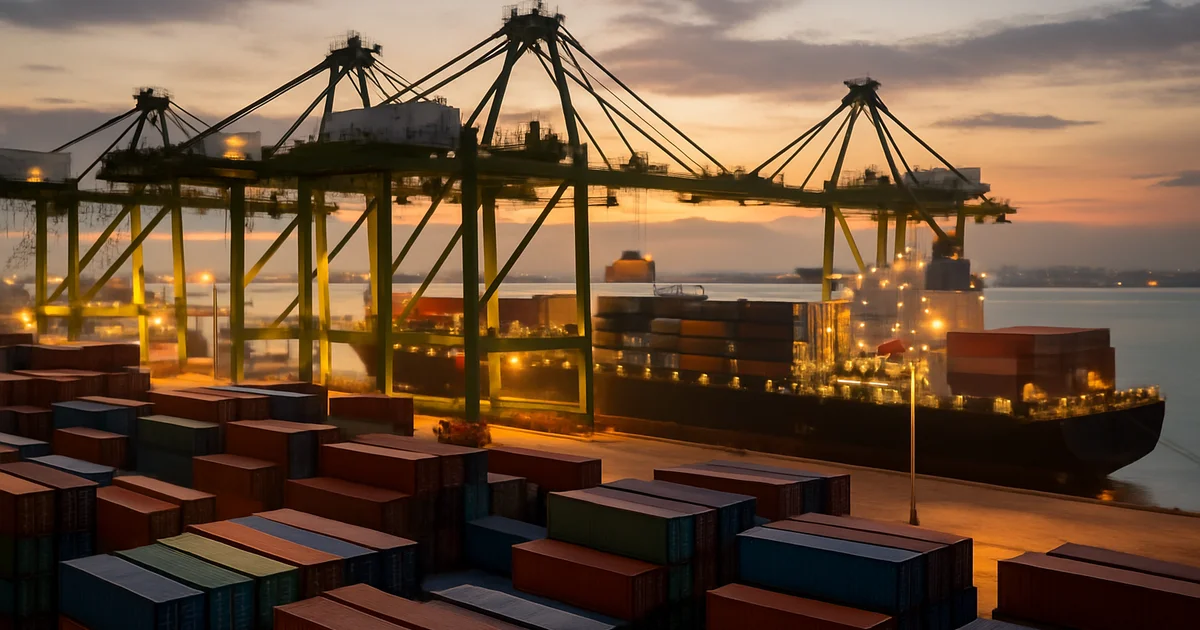
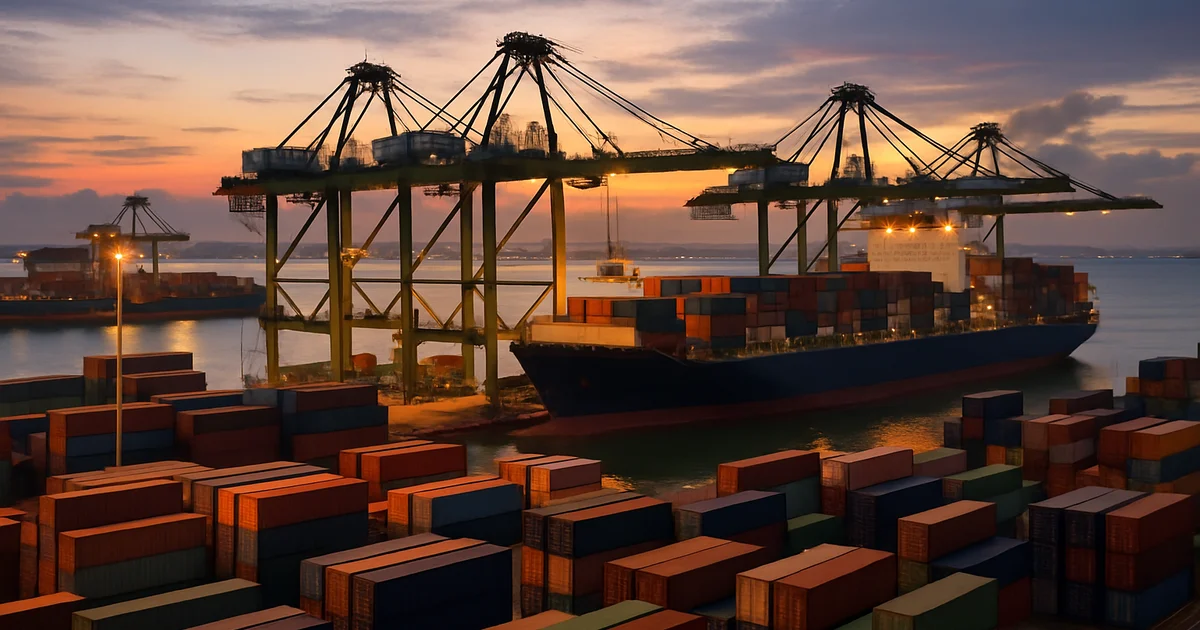
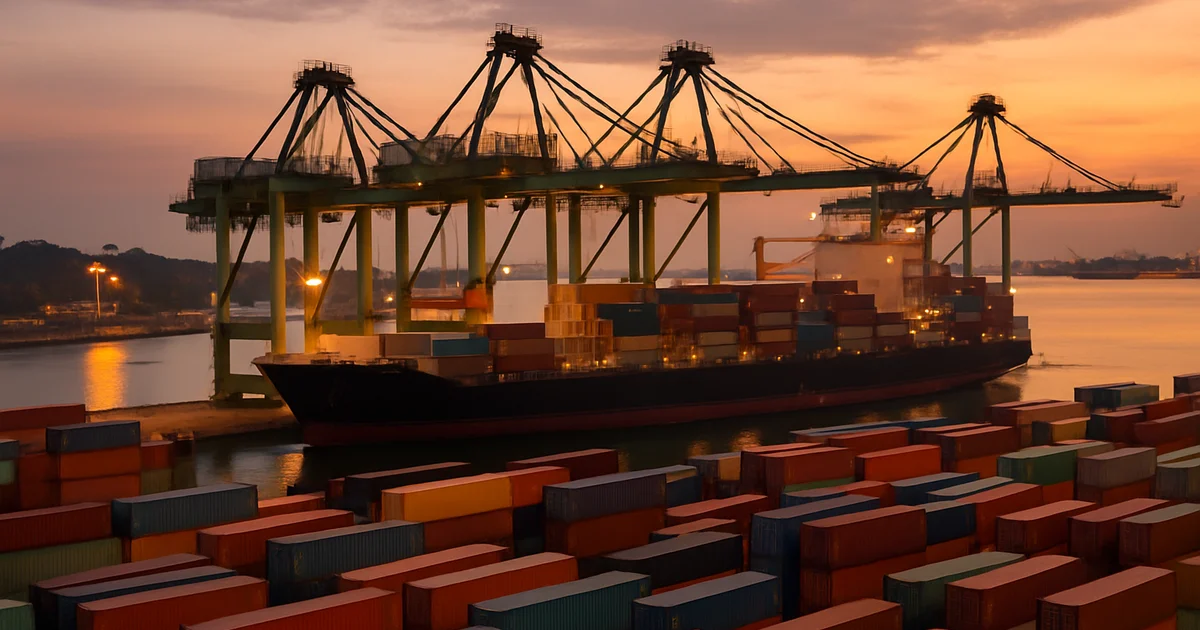
For the ports and terminals along these vital shipping lanes, increased security translates to a lower likelihood of operational disruptions, thereby maintaining smooth supply chain operations. Countries dependent on these routes for energy imports and exports stand to benefit from improved stability and reduced risks of supply chain shocks.
Additionally, this move by the IMO highlights a growing recognition of the evolving maritime threats and the need for modern approaches to tackle them. By fostering cooperation and standardizing protective measures, the resolution could set a precedent for future international maritime security protocols.
For operators, the resolution introduces a new layer of collaborative security measures that must be adhered to. The intricate balance between efficiency and regulation has been further highlighted, and adherence to new safety protocols will be essential in maintaining compliance and optimizing operations. Monitoring the implementation of this resolution and any additional maneuvers it prompts will be critical for maritime stakeholders moving forward.