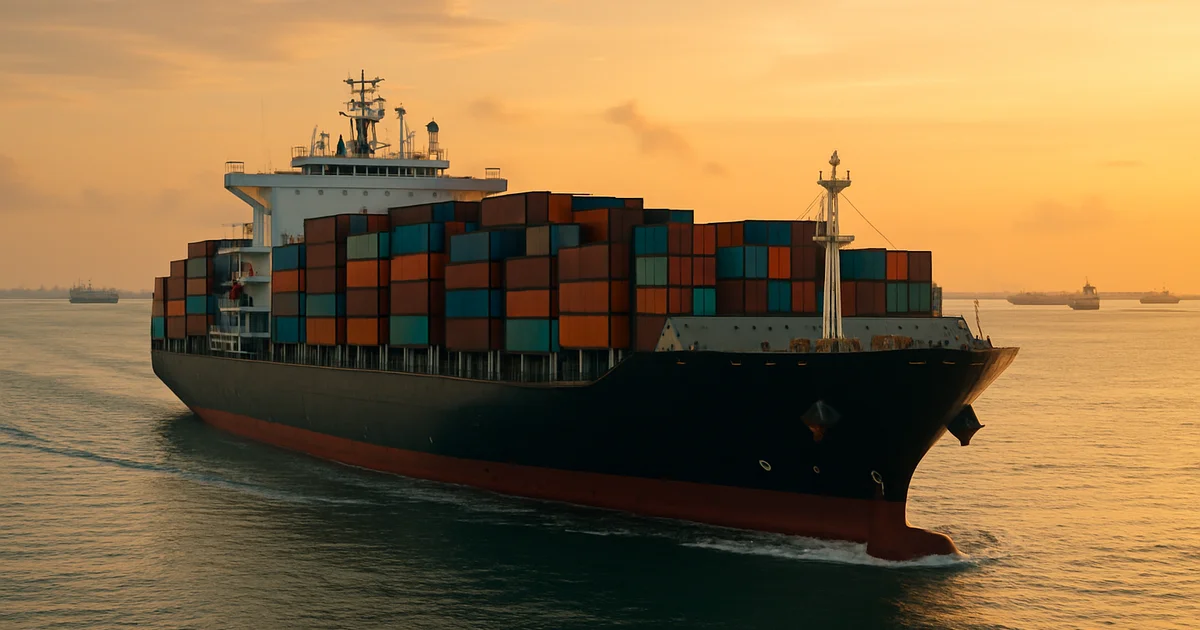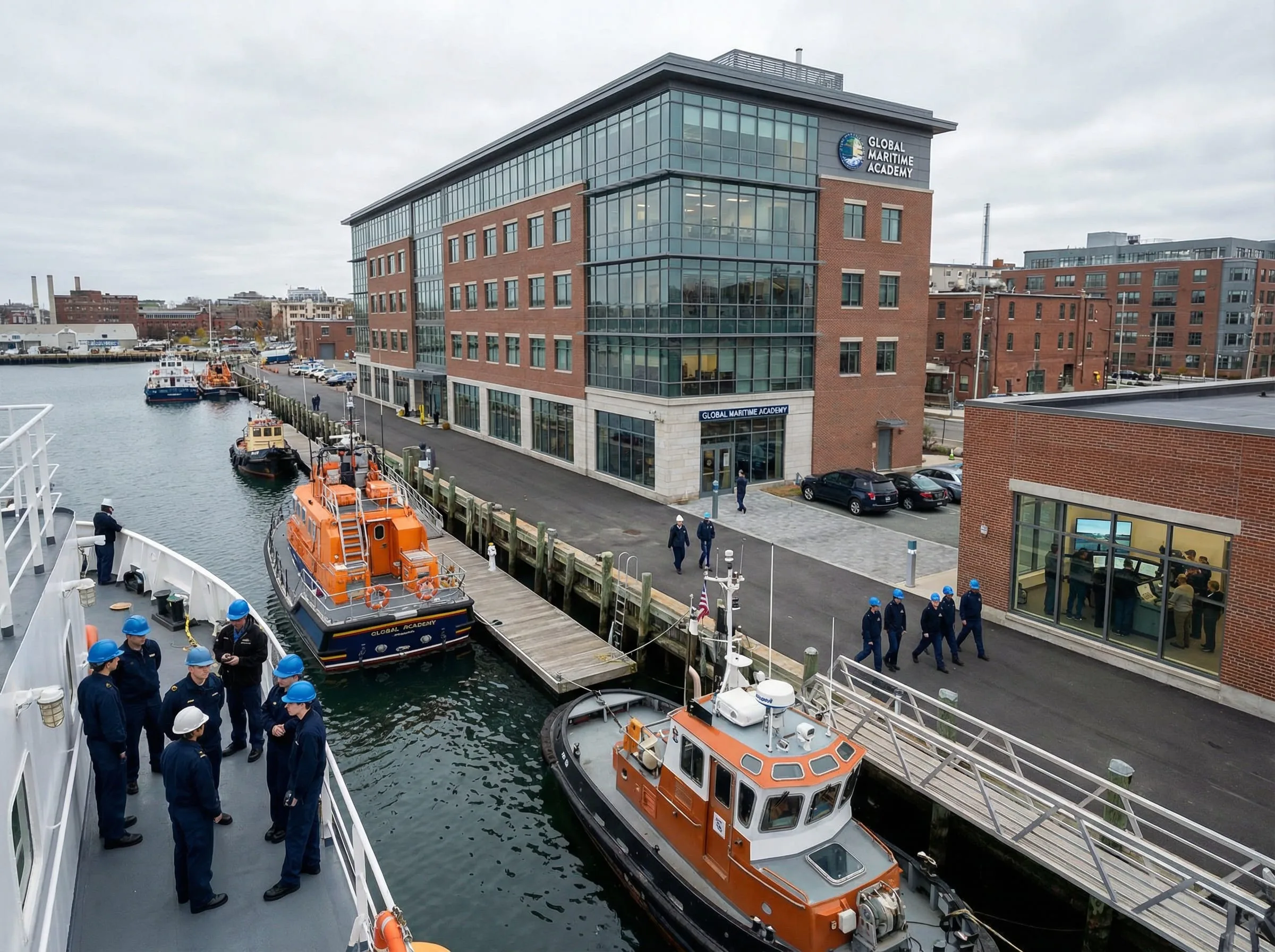
Maritime education and training institutions are adapting to rapid technological changes, regulatory shifts, and sustainability trends to equip the next generation of professionals with skills crucial for the future of global trade. With shipping responsible for transporting over 80% of the world’s goods, the emphasis on skill development and industry-relevant knowledge remains paramount across international academies and training programs.
In Singapore, the Singapore Maritime Academy (SMA), affiliated with Singapore Polytechnic, leads in offering courses such as the Diploma in Maritime Business, Nautical Studies, and Marine Engineering. Known for its robust industry partnerships and practical hands-on training, SMA provides students with an edge that includes access to a notable alumni network. Meanwhile, the Maritime and Port Authority of Singapore (MPA) Academy focuses on professional development through specialized regulatory training and leadership programs tailored for maritime professionals. Complementing these efforts is Nanyang Technological University’s (NTU) MSc in Maritime Studies program, which integrates business, technology, and logistics into its curriculum while adopting a global perspective.
Globally, institutions with diverse focus areas continue to shape maritime education. Sweden’s World Maritime University (WMU) offers postgraduate courses like the MSc in Maritime Affairs and PhD programs, emphasizing international maritime policy and sustainable ocean practices. In the United States, the United States Merchant Marine Academy (USMMA) delivers marine engineering, logistics, and navigation training while fostering leadership and service among cadets as a federal academy. Asia is represented by Dalian Maritime University in China, celebrated for its programs in marine engineering, navigation, and shipping management, and Australia’s Australian Maritime College (AMC), part of the University of Tasmania, which provides world-class facilities such as simulation centers and labs alongside training in nautical science and maritime business.
As the industry transitions toward automation and digitalization, maritime professionals must acquire multidisciplinary skillsets. Technical proficiency in navigation systems, marine engineering, and operations is becoming more specialized with the rise of autonomous vessels and digital platforms. Environmental awareness underpins knowledge of International Maritime Organization (IMO) regulations, green shipping practices, and emission-reduction technologies. Additionally, digital literacy has emerged as a critical area, with expertise required in data analytics, cybersecurity, and advanced technologies like AI, blockchain, and IoT.
Leadership and communication in cross-cultural environments are imperative, as is adaptability to address rapidly evolving regulatory landscapes and industry standards. Compliance expertise, coupled with skills in negotiation and ethical decision-making, enables professionals to navigate intricate international maritime law structures. Continuous upskilling—through professional development and certification courses—remains essential for staying competitive.
Why this matters
The maritime industry’s pivotal role in global trade magnifies the importance of specialized, forward-thinking educational programs. With advancements in autonomous shipping and the push for sustainability, shipowners, operators, and port authorities increasingly depend on professionals who grasp both technical operations and digital transformation. Maritime education institutions filling these skill gaps will drive the sector’s ability to deliver on decarbonisation goals and technological integration.
The alignment of these training institutions with the needs of shipowners and regulators ensures future workforce readiness amidst heightened compliance pressures. From emission targets to cybersecurity challenges, these academies act as centers where emerging maritime professionals bridge industry demands with operational readiness. By nurturing leadership, fostering regulatory awareness, and building technical expertise, institutions serve as catalysts for resilient and sustainable supply chains.
Looking ahead, rapid adaptation in educational curricula is critical as regulatory bodies, including the IMO, tighten environmental compliance timelines. Selecting programs that offer strong practical training and internships will remain vital for aspiring professionals as industry shifts accelerate. Maritime stakeholders should prioritize collaboration with academic settings to shape training programs reflecting real-world challenges and solutions.