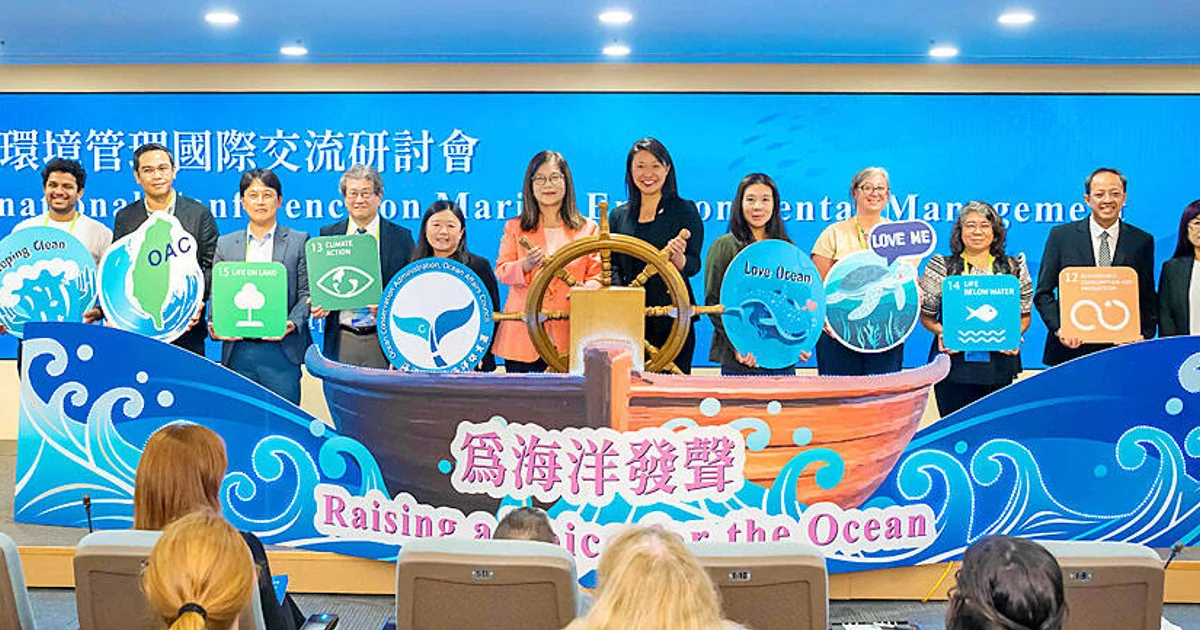
Taiwan's Ocean Affairs Minister Kuan Bi-ling has issued a sharp rebuke against illegal fishing practices by Chinese operators near the Pratas Islands in the South China Sea, citing severe ecological damage caused by cyanide fishing. Speaking at the International Conference on Marine Environmental Management in Taipei, Kuan emphasized the destructive impact of such practices, noting that cyanide use not only stuns fish for easier capture but also causes grave harm to surrounding marine ecosystems, including coral reefs. The practice contravenes international protocols under the United Nations Convention on the Law of the Sea (UNCLOS), and Taiwan has vowed to step up measures to protect its maritime territories from these violations.
The Taiwanese government is enhancing its maritime surveillance capabilities through the development of drones and plans to expand operations to crewed aircraft. This initiative forms a key part of Taiwan's Annual National Ocean Policy White Paper, which is set for release later this month. The White Paper, expected to detail Taiwan's maritime priorities, focuses on tackling climate change, marine pollution, plastic waste, and overfishing. Kuan underscored Taiwan’s commitment to leveraging technology and international cooperation to address these urgent challenges.
The conference in Taipei brought together marine experts and institutions from countries including the United States, France, Japan, South Korea, and India, alongside contributions from the U.S. Environmental Protection Agency and Japan’s Marine Disaster Prevention Center. Discussions centered on marine protection strategies, debris management practices, and pollution prevention solutions. The event underscored the necessity of collaborative global efforts to preserve ocean ecosystems against mounting environmental threats.
A notable outcome of the conference was the signing of a bilateral agreement between Taiwan and Indonesia focused on marine debris management. The pact represents an important step in fostering regional cooperation and sustainable marine development within the Indo-Pacific. Both nations highlighted that combating pollution and debris accumulation is critical to protecting marine biodiversity and ensuring the health of the ocean environment. This collaborative framework ties directly into broader sustainable development goals.
Why this matters
Cyanide fishing, as condemned by Taiwan’s Ocean Affairs Council, presents significant risks not only to local marine ecosystems but also to regional fishing economies. The ecological damage inflicted on coral reefs and fish populations could disrupt biodiversity essential for sustaining fisheries and aquaculture. For nations dependent on marine resources, regulatory enforcement against illegal fishing practices is crucial to safeguarding long-term food security and trade stability.
Bolstering surveillance capabilities through drones and aircraft signals a proactive approach by Taiwan to monitor illegal activities in its maritime zones and enforce compliance with international standards. Such investments indicate Taiwan’s strategic focus on preserving maritime sovereignty and fostering a more effective enforcement posture in disputed waters like the South China Sea.
The Taiwan-Indonesia agreement on debris management demonstrates the growing awareness that marine pollution is a cross-border issue requiring multilateral collaboration. Shipowners and operators navigating Indo-Pacific trade routes may benefit from cleaner seas, reducing risks associated with marine debris collisions and improving port operations as a result of improved waste handling.
With the upcoming release of Taiwan’s Annual National Ocean Policy White Paper, industry stakeholders should anticipate targeted measures addressing marine pollution, conservation technologies, and enforcement mechanisms. These developments are expected to influence flag states, fisheries management agencies, and port authorities operating within the region.