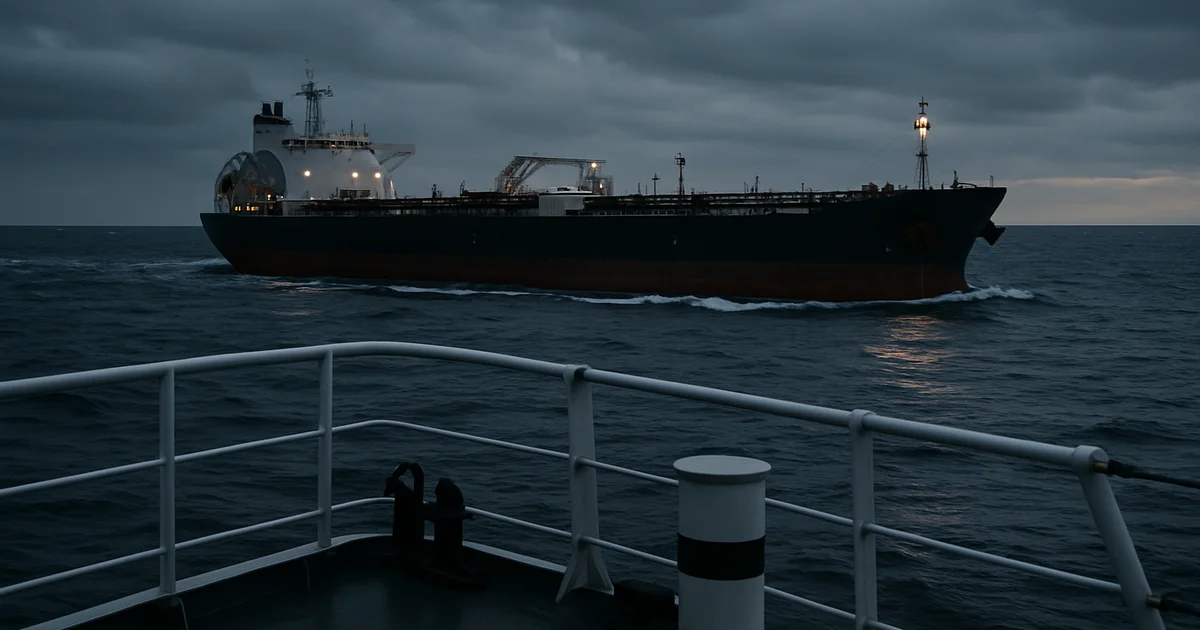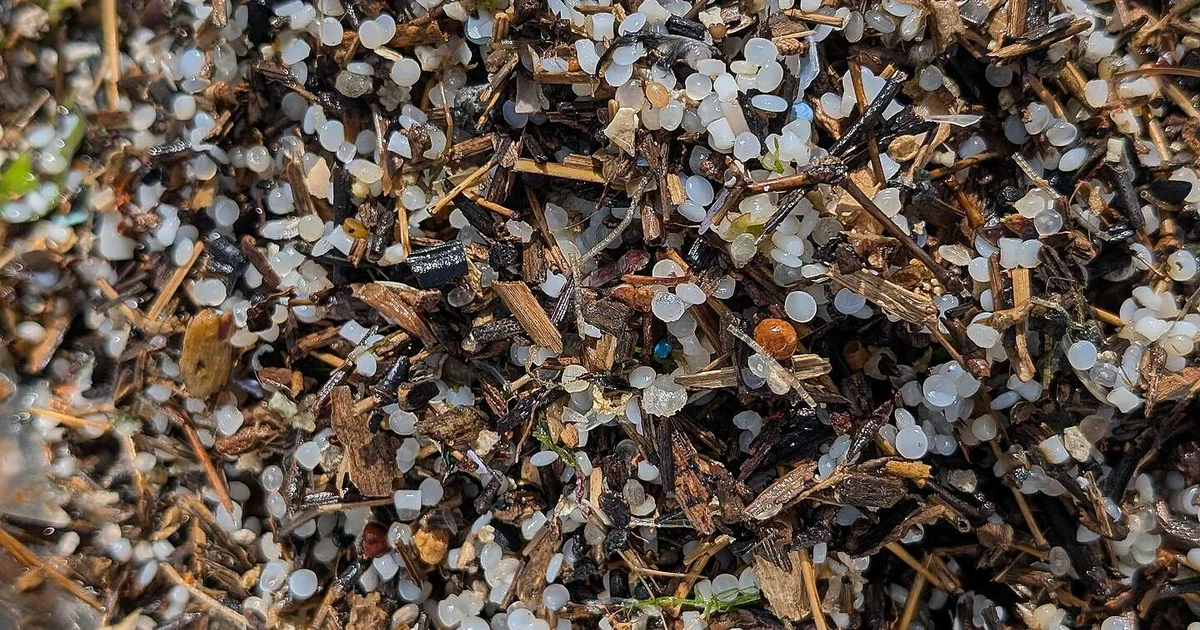
In November 2025, Greenpeace South Asia published a report titled “Nurdle Pollution Along the Western and Southern Coastline of Sri Lanka Following Recent Ship Accidents,” revealing significant environmental challenges posed by plastic nurdles. These tiny pellets, crucial for plastic production, have gathered along Sri Lanka’s western and southern shores, primarily due to two maritime disasters: the MV X-Press Pearl incident in 2021 and the MSC Elsa 3 shipwreck off Kerala in May 2025. Together, these events released billions of plastic pellets into the Indian Ocean, leading to long-term ecological and socioeconomic repercussions for coastal communities.
The findings of the study, conducted across 16 beaches from Negombo to Galle between October 7 and 9, 2025, expose a troubling scenario. Nurdles were found at all surveyed locations, with concentrations ranging from minimal to alarmingly high levels. Most of the detected pellets were white and semi-translucent, likely resulting from the MSC Elsa 3 spill, while some exhibited weathering signs, indicating longer-term exposure to environmental conditions. Additionally, a variety of cylindrical and granule-like nurdles were discovered mixed with other types, stemming from the recent shipwreck.
The report highlights the intricate dynamics of nurdle pollution, emphasizing that ocean currents driven by the monsoon season contributed to the dispersal of pellets from the Kerala spill to Sri Lanka’s coastline. Several sampling sites were located close to sensitive ecosystems and fishing areas, underscoring the potential for severe ecological impacts.
To address these issues, Greenpeace advocates for several crucial actions. First, it calls for improvements to national laws and enforcement systems to align with international agreements on nurdle pollution. This involves implementing stricter regulations for the handling and transport of plastic pellets, as well as enhancing spill recovery technologies. Furthermore, the organization stresses the need for mandatory reporting of any plastic pellet loss or spillage at every stage of the global supply chain, aiming for transparency, accountability, and traceability in the handling of these materials.
Moreover, Greenpeace suggests that plastic nurdles should be classified as a distinct cargo type, requiring specific safety measures including enhanced packaging, labeling, and stowage protocols to minimize spill risks during maritime operations. Lastly, the report emphasizes the establishment of comprehensive procedures for immediate responses, clean-ups, restorations, and compensation mechanisms, asserting the need for financial and legal accountability as per the “polluter pays” principle.
In summary, the report sheds light on the rising threat of nurdle pollution in Sri Lanka and calls for urgent action to protect the environment and coastal communities from its devastating effects.