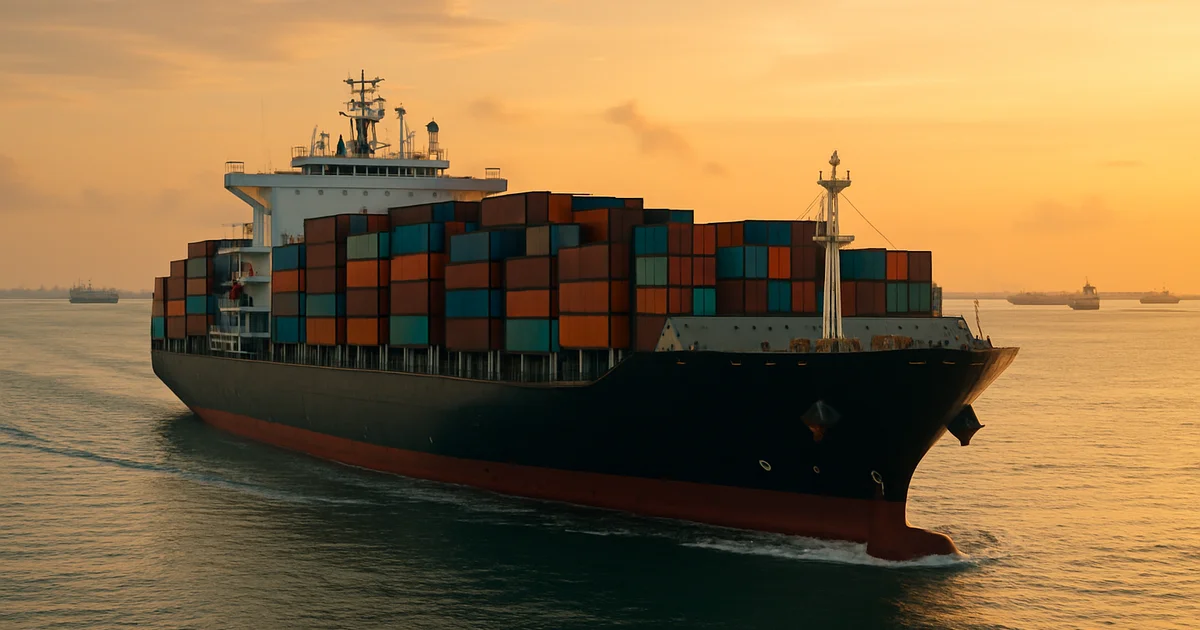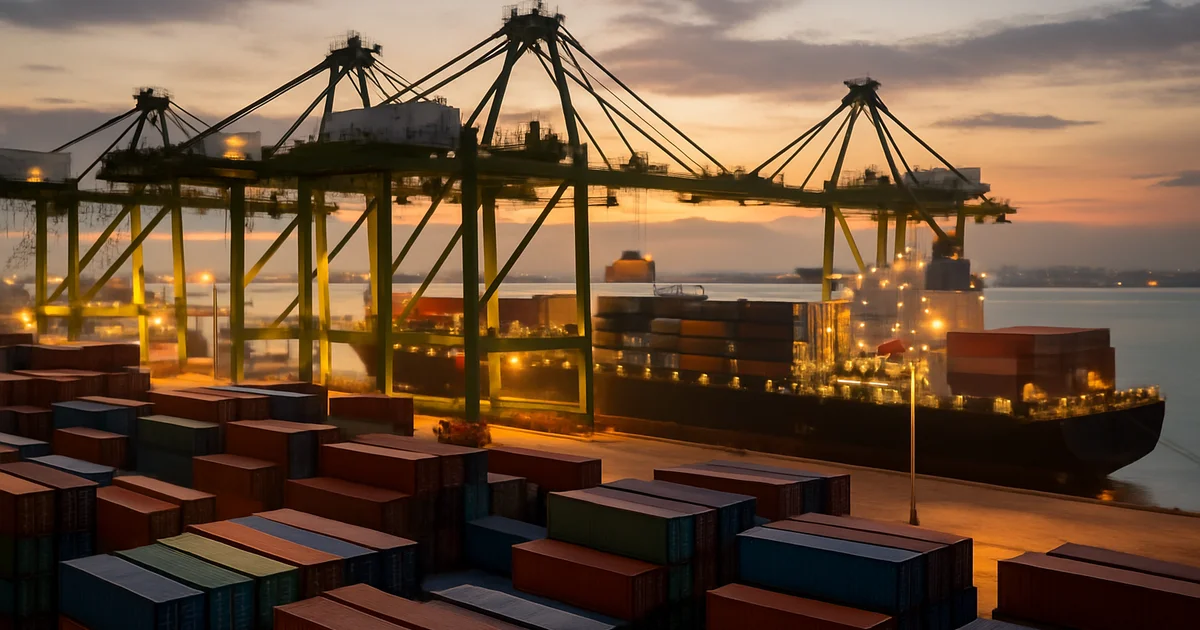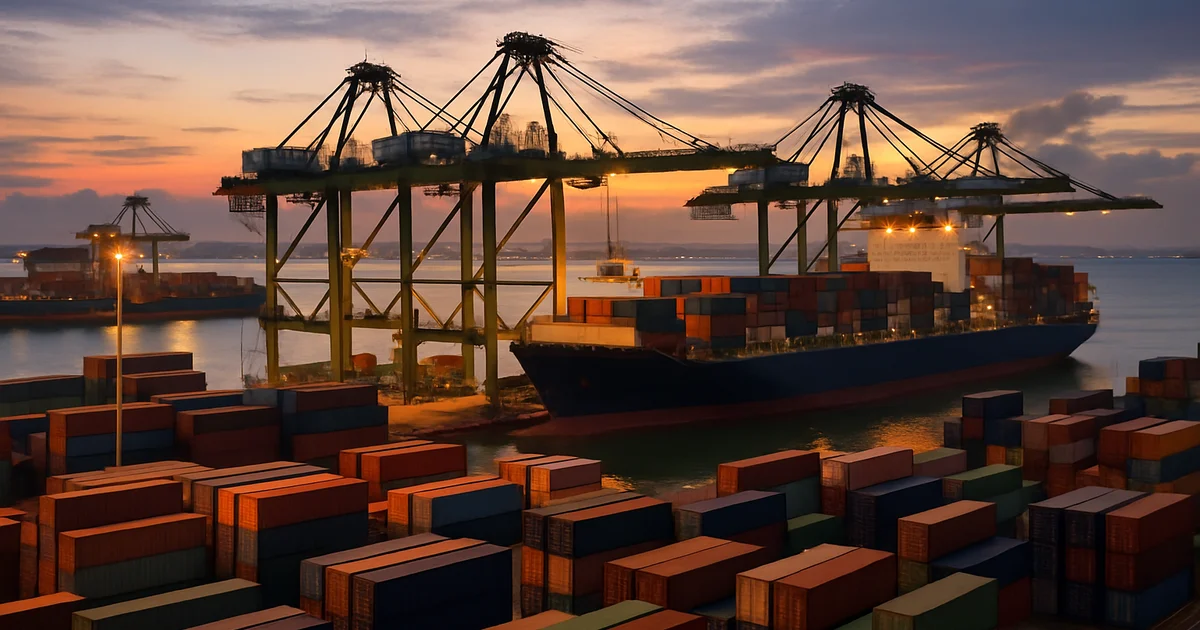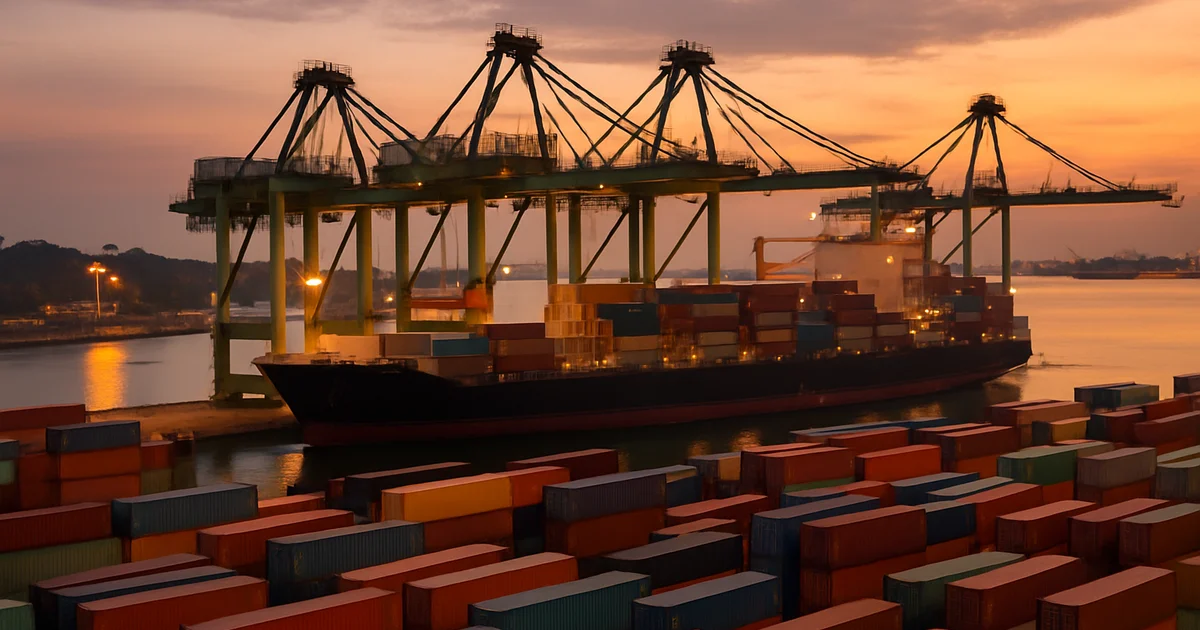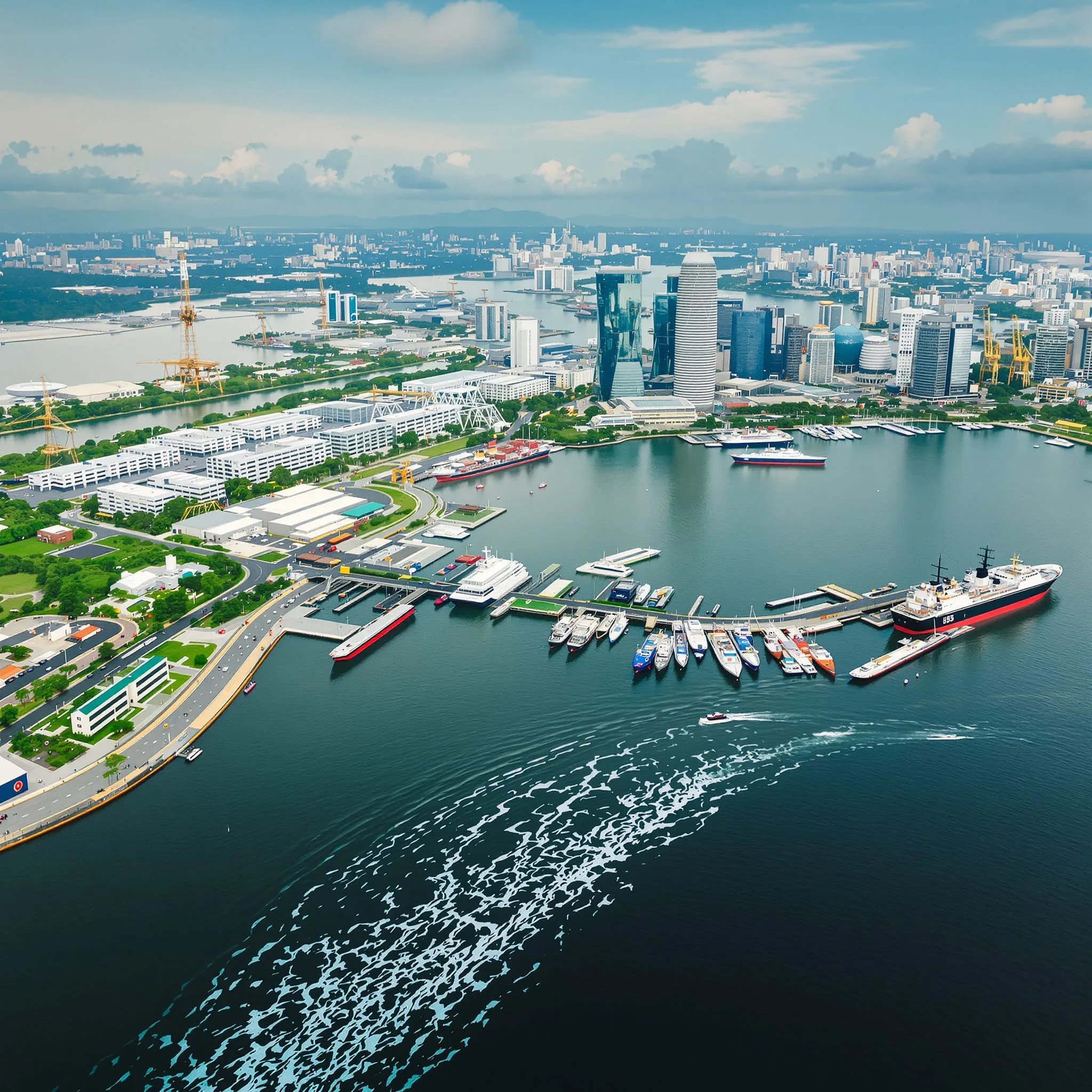
Singapore continues to affirm its position as a leading global maritime hub, leveraging its strategic geographical advantage, advanced port infrastructure, and proactive governmental strategy. As one of the world's busiest ports and a key node in global shipping lanes, Singapore plays a pivotal role in facilitating international trade, supporting logistics operations, and spearheading innovation within the maritime industry.
Historical records show that Singapore's maritime prominence dates back to 1819 when it served as an entrepôt for British trading operations. Over the years, the nation transitioned from a colonial trade post to a modern maritime powerhouse. Key milestones shaping this evolution include the modernization of port facilities in the 1960s, rapid expansion into containerized transshipment services during the 1980s, and diversification into ship finance, insurance, and maritime technologies from the 2000s onward. This steady transformation underscores Singapore’s ability to adapt to changing trade dynamics and seize growth opportunities.
Current industry statistics highlight the Port of Singapore as a top-tier transshipment hub, handling over 37 million TEUs annually. The port operates non-stop, integrating advanced cargo handling technologies with efficient logistics systems to support global supply chains. The broader maritime ecosystem is home to over 5,000 entities, including shipowners, brokers, insurers, and maritime legal firms. Additionally, Singapore has emerged as a leader in digitalization through its smart port initiatives and adoption of autonomous vessel technologies. The government-backed Singapore Maritime Academy plays an instrumental role in cultivating industry-relevant talent by providing specialized education and training programs.
Looking ahead, Singapore's maritime industry is set to grow further, with sustainability and digital transformation central to its strategic direction. Investments in LNG bunkering, alternative fuel technologies, and carbon reduction solutions align with global decarbonisation targets. Concurrently, the expansion of smart port infrastructure and integration of blockchain technology are poised to refine supply chain processes through data-driven logistics. With its government actively fostering regional collaboration and green shipping projects, Singapore is prepared to solidify its leadership in the Asia-Pacific maritime landscape.
Several key players contribute to Singapore's maritime success, including the Maritime and Port Authority of Singapore (MPA), which oversees regulatory frameworks, safety standards, and sector development. PSA International operates the nation’s container terminals, consistently ranked among the most efficient globally, while the Singapore Shipping Association (SSA) advocates for industry-wide interests. Leading shipping lines such as Maersk, CMA CGM, and Evergreen operate significant regional services through Singapore's facilities, ensuring their cargo operations benefit from the port's efficiency.
Why this matters
The strategic positioning of Singapore as a global shipping hub has multifaceted implications for maritime operators, logistics providers, and cargo owners. Its unmatched transshipment capabilities translate to lower shipping times and higher operational reliability for vessels plying Asia-centric trade lanes. For shipowners, the emphasis on sustainability through LNG bunkering and green technologies offers substantial opportunities to align fleets with environmental compliance frameworks such as IMO decarbonisation mandates.
Moreover, innovations like blockchain-based logistics and AI-driven port operations promise enhanced transparency, cost control, and agility in cargo handling for both commercial and container vessels. Ports in the region aiming to establish competitive edges may look toward Singapore's smart port initiatives as a benchmark model. The skill development push via academic institutions ensures access to a pool of well-trained maritime professionals who are equipped to meet evolving industry demands.
As regional trade volumes rise in tandem with Asia’s economic growth, Singapore's incremental focus on green shipping practices, supported by projects under the Maritime Singapore Green Initiative, frames the nation's competitiveness as not only operationally efficient but also environmentally resilient. These developments demand close attention from shipowners, charterers, and port operators navigating the dynamics of an increasingly interconnected maritime economy.
Singapore’s robust maritime sector points toward sustained growth through strategic government initiatives, technological integration, and green investments. Operators should monitor the rollout of digital and eco-friendly projects, as these will shape regional connectivity, drive compliance standards, and potentially reset efficiency benchmarks across Asia-Pacific shipping routes.