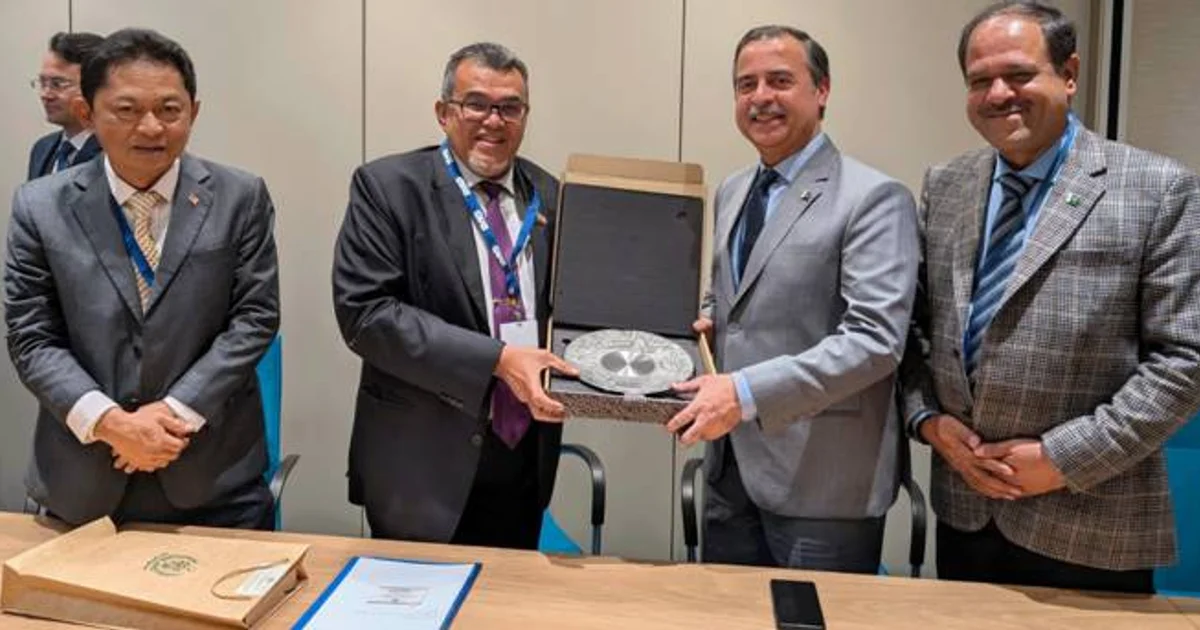
Pakistan and Malaysia are on the brink of a significant maritime collaboration through a proposed Memorandum of Understanding (MoU) aimed at enhancing training, logistics, and trade in the region. This initiative comes after a pivotal meeting on November 25, 2025, in the United Kingdom, where Malaysian Deputy Minister of Transport Datuk Hasbi bin Habibollah and Pakistan’s Federal Minister for Maritime Affairs Muhammad Junaid Anwar Chaudhry discussed strategies to modernize regional logistics and empower the next generation of seafarers.
### Strengthening Maritime Training
A key highlight of the discussions was the mutual commitment to expand seafarer training programs. Both officials expressed enthusiasm for establishing a structured cadet exchange, enabling Pakistani cadets to gain experience in Malaysian maritime academies while their Malaysian counterparts receive training in Pakistan. Minister Chaudhry emphasized that formalizing this through an MoU would institutionalize the exchange and enhance young seafarers’ industry knowledge across borders. This agreement is expected to provide comprehensive training modules, operational exposure, and frameworks for long-term cooperation to bolster workforce development in both nations.
### Digital Port Innovations
Another focal point of the proposed partnership is the advancement of digital port management, with Pakistan showcasing its innovative Pakistan Single Window system, currently operational at Karachi Port and Port Qasim. This platform streamlines cargo clearance, boosts transparency, and minimizes logistical bottlenecks. Minister Chaudhry suggested that Malaysia could benefit from adopting such digital solutions, thereby enhancing its own transport modernization efforts.
### Expanding Trade Routes
Beyond training and technology, the ministers discussed operational cooperation concerning major trade routes. Chaudhry proposed the establishment of direct feeder shipping lines that would connect Pakistan and Malaysia, facilitating further connectivity to Indonesia. This initiative aims to increase Pakistan’s rice exports to Southeast Asia and streamline the shipment of edible oils from Malaysia and Indonesia to Pakistan, thereby enhancing trade efficiency and volume.
### Connectivity with ASEAN
These initiatives align with Pakistan’s broader strategy to strengthen connections with ASEAN economies. Improved maritime connectivity would lead to smoother supply chains, lower logistics costs, and increased reliability for businesses operating between South Asia and Southeast Asia.
### Technical Consultations Ahead
Moving forward, both countries plan to engage in technical discussions to refine the MoU, finalize cadet training modules, and delineate implementation procedures. This collaborative approach reflects their joint ambition to accelerate maritime modernization and foster sustainable bilateral cooperation.
In summary, the evolving maritime partnership between Pakistan and Malaysia illustrates a trend toward integrated training systems, digitalized port operations, and enhanced regional trade routes. These developments are poised to benefit not only the two nations but also the broader regional economies by reinforcing supply chain efficiency and fostering collaborative growth across South and Southeast Asia.