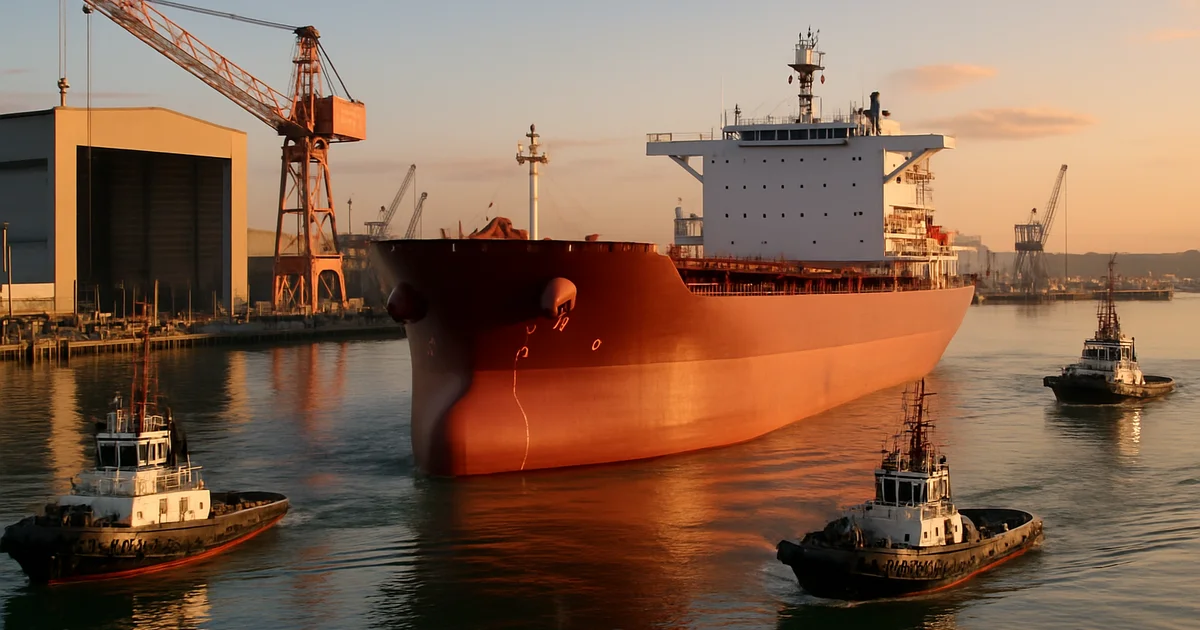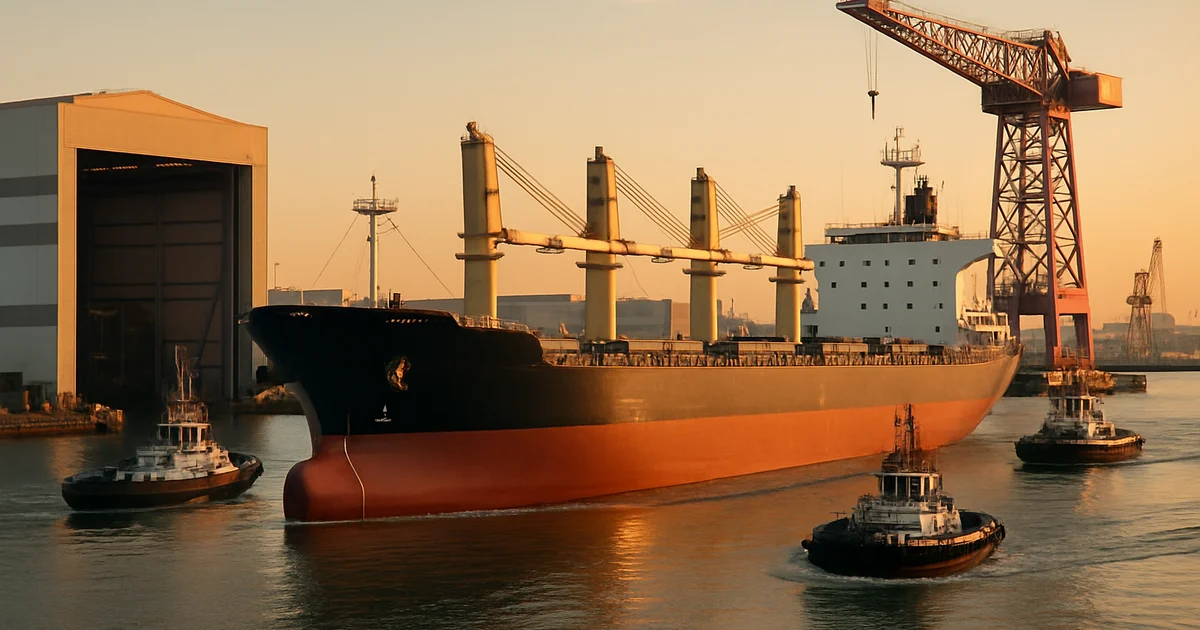
Penang Port, located in Malaysia, has introduced its first Vessel Traffic Services (VTS) system, aiming to strengthen maritime safety and navigational efficiency in its waters. The new system, implemented with technical assistance from the Malaysian Marine Department, marks a significant operational upgrade for the port authority.
The VTS, which complies with standards set by the International Association of Marine Aids to Navigation and Lighthouse Authorities (IALA), is designed to facilitate vessel monitoring, manage ship movements, and support timely communication between maritime stakeholders. Through real-time surveillance and advanced radar integration, the system ensures that ships navigate safely within Penang Port’s jurisdiction, particularly in busy areas such as the northern Strait of Malacca. Penang Port anticipates that the VTS will mitigate collision risks and reduce cargo delays stemming from traffic uncertainty.
The system features a range of capabilities, including advanced vessel tracking, collision alert mechanisms, and digital communication platforms. The infrastructure incorporates multiple radar stations positioned strategically to enhance coverage while minimizing operational blind spots. According to senior representatives at Penang Port, this technological initiative reflects the port’s focus on fostering safer and more efficient vessel transit in response to growing cargo volumes.
Efforts to establish the VTS system at the port have coincided with record growth in ship calls and cargo throughput, underscoring Penang Port’s increasing role in regional maritime logistics. In a statement, a port authority spokesperson highlighted that the deployment aligns with broader goals to integrate cutting-edge technology into port management processes to improve overall competitiveness.
Why this matters
The operational debut of Penang Port’s VTS system carries implications for ship operators, cargo owners, and the broader regional trade network. Enhanced tracking capability reduces the likelihood of navigational errors, particularly in the Strait of Malacca—a vital chokepoint in global trade carrying nearly a quarter of the world’s oil shipments annually. Smarter navigational aid improves vessel turnaround times, allowing shippers to achieve tighter schedules and mitigate demurrage risks related to port delays.
Additionally, the establishment of VTS under IALA compliance bolsters Penang Port’s reputation as a safe transhipment hub within Southeast Asia. Integrated monitoring systems help ensure smoother maritime traffic flow, reducing congestion-related risks for larger vessel classes such as Panamax bulk carriers and container ships. This development further supports logistical efficiency for Malaysia’s importers and exporters leveraging Penang's port facilities.
For operators navigating the northern Strait of Malacca, the system’s advisory functionality could lead to reduced interaction with local maritime hazards such as fishing traffic, shallow waters, or unauthorized anchoring incidents. As more vessels depend on VTS solutions, ports equipped with compliant systems may see greater demand for their berths and facilities.
The introduction of Penang Port’s VTS reflects strategic investment in technologies that cater to increasing trade volumes transiting the region. Following this upgrade, maritime operators and cargo stakeholders are likely to see operational benefits, including safer voyages, precise tracking of vessel activities, and streamlined coordination across the shipping corridor. Furthermore, Penang Port’s investment sets a precedent for other Southeast Asian ports to deploy similar solutions, enhancing accountability and navigational safety for the region as a whole.