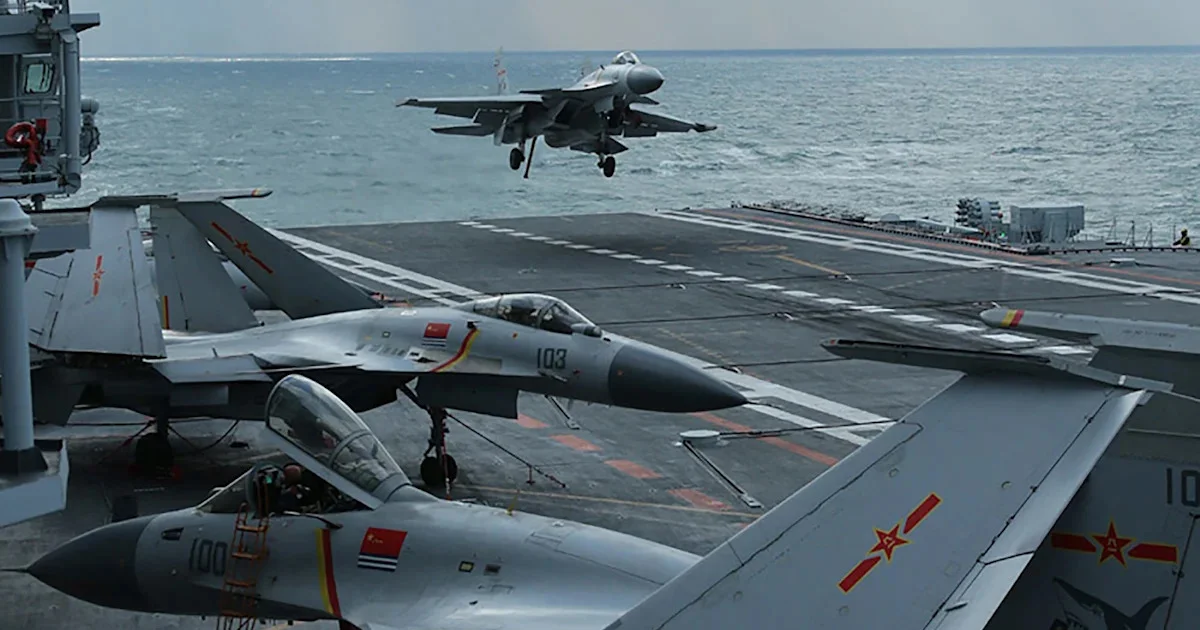
The People’s Liberation Army Navy (PLAN) is intensifying efforts to secure dominance within the critical waters of the first island chain, a region stretching from Japan to Malaysia. A blend of military maneuvers, maritime collaborations, and civilian vessel deployment underscores China’s strategy to control these essential maritime routes. Recent operations, including deployments of aircraft carrier groups near Japan and the Philippines, highlight its aim to consolidate power within this archipelagic corridor while testing advanced naval capabilities.
China’s approach is bolstered by dual-purpose tactics, prominently seen in its civilian and military vessel deployments as well as large-scale island-building activities in the South China Sea. These actions, part of China’s “grey zone operations,” fall below the threshold of direct conflict but are strategized to achieve maritime objectives with minimal provocation. In addition to asserting influence through military superiority, Beijing has emphasized diplomatic relationships, including joint naval exercises and port development initiatives across Southeast Asia. Collaborative efforts with partners like Russia further demonstrate China's intent to synchronize military activities in these geopolitically sensitive waters.
The first island chain represents a vital intersection for global trade and security, compelling China to invest heavily in both naval hardware and operational strategy. Reports suggest enhanced capabilities through weapons development projects and a strengthened naval presence. By blending civilian and military resources, China seeks to bolster its operational flexibility while complicating response strategies from competing powers, particularly the U.S. and its allies. As the region becomes increasingly contested, PLAN’s activities signal not just a regional focus but a broader ambition to expand influence across global maritime domains.
Southeast Asia has emerged as a focal point in China’s maritime strategy, with a concerted effort to solidify regional footholds. Bilateral drills, infrastructure investments along critical shipping lanes, and cooperative security arrangements signify a multifaceted approach. The combination of hard power projection and soft power initiatives allows China to reshape maritime interactions, leveraging both economic and defense partnerships to secure its strategic interests.
Why this matters
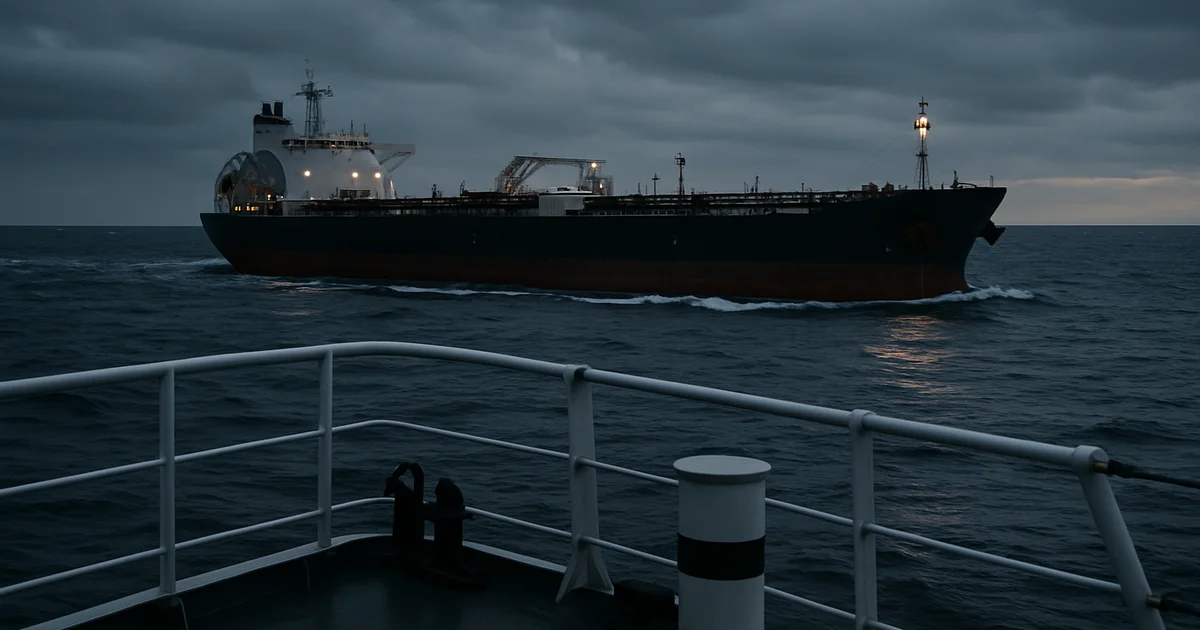
China’s maneuvers in the first island chain pose operational, security, and economic implications for maritime stakeholders. For shipowners and cargo operators, increased Chinese control over these crucial transit routes could heighten geopolitical risks and lead to potential disruptions in commercial shipping flows. Military operators, meanwhile, face more complex navigational risks stemming from PLAN’s grey zone tactics and growing fleet power.
For the U.S. and allied navies, China’s assertiveness demands a recalibration of presence and posture within the Indo-Pacific region. Strategic adaptability, including intensified patrols and freedom-of-navigation operations, may become necessary to counterbalance Beijing’s influence. Conversely, nations receiving port infrastructure investment from China may find themselves increasingly intertwined with PLAN’s regional ambitions, presenting long-term sovereignty questions for these host states.
As China’s activities continue to evolve, the immediate concern for the maritime industry will be navigating operational risks tied to heightened territorial disputes and military assertiveness in these critical waters. Operators should closely monitor developments within the first island chain, including emerging bilateral agreements and PLAN fleet modernization, which could drive long-term shifts in trade routes and maritime security dynamics.