The maritime industry, responsible for transporting approximately 90% of the world’s goods, is facing intensifying pressure to address its environmental impact. Key challenges include greenhouse gas emissions, marine pollution, and unsustainable resource usage. As climate and environmental concerns gain global urgency, the sector is undergoing transformative change, driven by regulatory frameworks such as those established by the International Maritime Organization (IMO), adoption of cleaner fuels, and advances in eco-friendly operational practices. The following explores current progress in maritime decarbonization, with a specific focus on IMO regulations, sustainable fuel choices, and inspirational case studies from Singapore and other global leaders.
IMO Regulations: Steering the Green Transition
Regulatory initiatives led by the IMO are central to the industry’s sustainability efforts. Among the most impactful policies:
- IMO 2020 Sulphur Cap: Enforced in January 2020, this regulation requires fuels with sulphur content not exceeding 0.5%, significantly reducing sulphur oxide emissions and improving air quality globally.
- Energy Efficiency Existing Ship Index (EEXI): This mandate drives technical upgrades to enhance the energy efficiency of existing vessels.
- Carbon Intensity Indicator (CII): Requires ships to measure and report their efficiency in carbon emissions, incentivizing further operational improvements.
- 2030 and 2050 GHG Reduction Targets: The IMO has outlined ambitious goals—cutting total annual greenhouse gas emissions by at least 40% by 2030 and 70% by 2050, relative to 2008 levels.
These in-depth regulations compel shipping companies to innovate at scale, integrating cleaner technologies and minimizing their environmental footprints.
Green Fuels: The Future of Marine Energy
Shifting away from conventional heavy fuel oil plays a pivotal role in the sector’s decarbonization efforts. Prominent clean fuel alternatives gaining traction include:
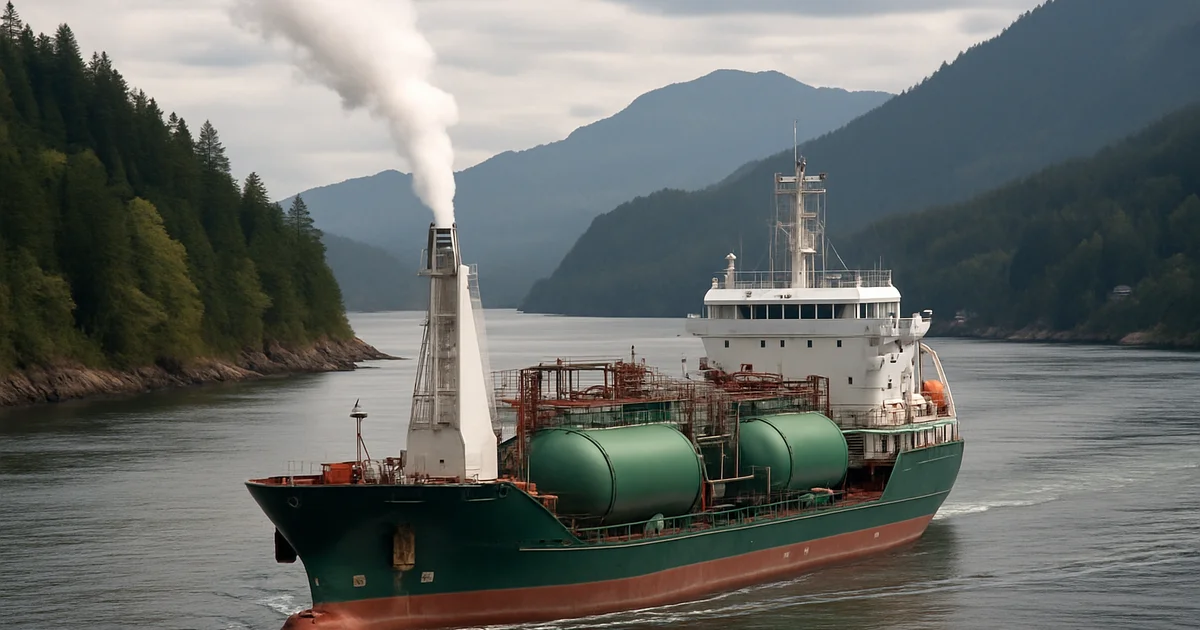
- Liquefied Natural Gas (LNG): LNG serves as a transition fuel, emitting lower levels of carbon dioxide and sulphur oxides than traditional options.
- Biofuels: Derived from renewable resources, biofuels can be blended with conventional fuels, providing immediate emission reductions.
- Methanol and Ammonia: Both fuels are emerging as zero-carbon solutions, particularly when paired with renewable energy production pathways.
- Hydrogen: Long considered the cleanest option for maritime propulsion, hydrogen-powered vessels are under development, though widespread adoption faces hurdles related to storage and bunkering infrastructure.
Incentives, research initiatives, and pilot projects are catalyzing adoption globally, cementing these fuels as viable forward pathways for maritime energy.
Eco-Friendly Practices: Beyond Fuels
Sustainability efforts extend beyond fuel switches, leveraging operational efficiencies to curb environmental damage. Key strategies include:
- Hull Design Optimization: Advanced hull materials and coatings reduce drag, boosting energy efficiency.
- Slow Steaming: Reducing shipping speeds has proven effective for cutting emissions substantially.
- Onshore Power Supply (Cold Ironing): Vessels plugging into electricity grids while docked eliminate emissions from auxiliary engines.
- Digitalization and Automation: Deploying AI-driven tools for route optimization and energy monitoring aids operators in achieving greener operations.
Case Studies: Singapore and Global Leaders Driving Change
Singapore: Asia’s Green Maritime Hub
Singapore, home to one of the world’s busiest ports, has emerged as a leader in maritime sustainability:
- The Maritime and Port Authority of Singapore (MPA) incentivizes the deployment of LNG-powered vessels alongside usage of clean shore power by ships in port.
- Singapore aims to solidify its status as a global hub for alternative marine fuels like biofuels and hydrogen under its decarbonization roadmap.
- The port has enacted comprehensive sustainability measures, including strict waste management, water usage controls, and emission reduction protocols.
Global Examples
Other major players are leading transformative efforts:
- Maersk (Denmark): Already investing heavily in methanol-powered ships, Maersk targets achieving net-zero emissions by 2040.
- NYK Line (Japan): Trials of ammonia-fueled ships showcase its ambition for zero-emission operations alongside digital solutions promoting energy efficiency.
- Port of Rotterdam (Netherlands): Shore power deployment, hydrogen bunkering projects, and circular economy practices underscore its commitment to environmental stewardship.
Why this matters
The maritime industry’s transition toward sustainability reshapes operational, environmental, and financial dynamics for shipowners, operators, and ports. As IMO regulations become stricter, non-compliance risks significant consequences including vessel detention, trading restrictions, and financial penalties. Operators must invest in cleaner technologies and explore alternative fuels, even amid high initial costs associated with retrofits and innovation.
The rise of practices like cold ironing and hull optimization represents tangible solutions capable of reducing operating expenses and carbon emissions simultaneously. Digitization further amplifies efficiency gains, delivering actionable insights into fuel consumption patterns and enabling real-time decision-making improvements.
Ports embracing green energy and eco-certifications stand to attract sustainability-focused clientele. Singapore’s proactive initiatives show the economic returns possible when integrating environmental policies with commercial operations.
Looking forward, collaboration between governments, shipping companies, and ports will determine the pace and scale of decarbonization in maritime transport. The undeniable push for compliance with IMO deadlines reinforces the urgent need for industry-wide adoption of green technologies and alternative fuels.