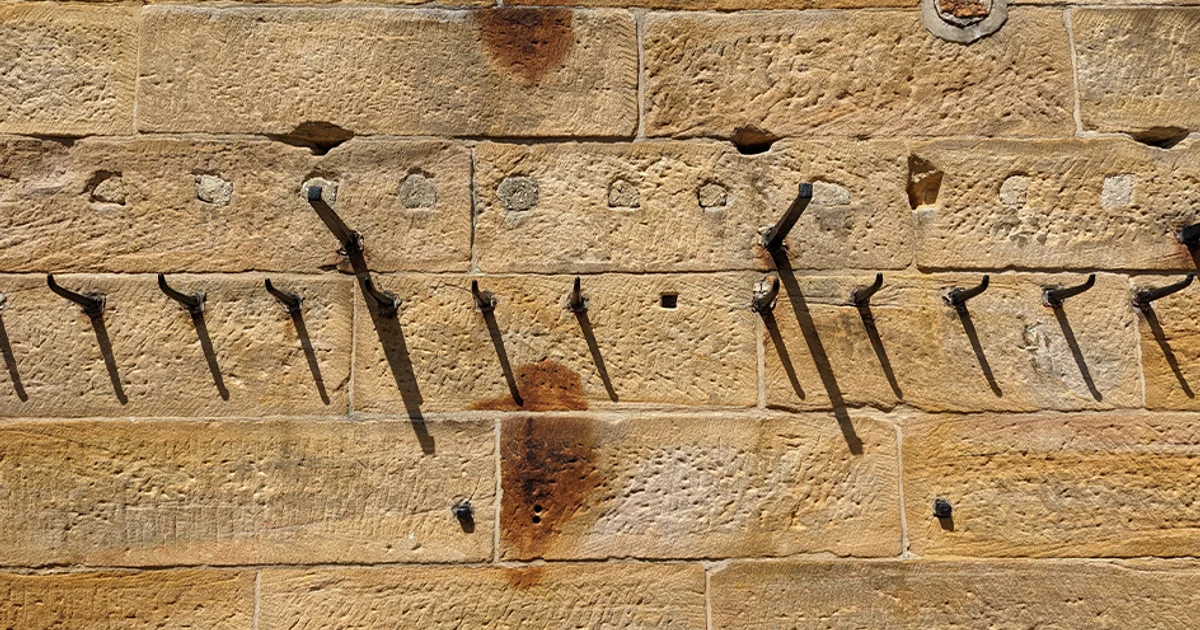
The Australian National Maritime Museum in Sydney is set to unveil a landmark exhibition titled “Chains of Empire” on the eve of the International Day for the Remembrance of the Slave Trade and its Abolition. The exhibition offers a critical examination of Australia’s ties to the Atlantic slave trade and the enduring repercussions of British slavery on the country’s development. It brings together leading historians and First Nations communities to present an in-depth exploration of these complex legacies.
Professor Jane Lydon, the Wesfarmers Chair of Australian History at the University of Western Australia (UWA), underlines the profound impact of the Atlantic slave trade on early Australian settlements, calling attention to the under-explored question of slavery’s existence within the country. According to Lydon, although the convict system is widely acknowledged, the intricate connections between British slavery and the growth of Australian colonies remain poorly understood among the public. She stresses the importance of acknowledging these histories to confront and re-evaluate national narratives.
The exhibition goes beyond historical accounts to shed light on the lived experiences of indentured laborers and First Nations peoples, emphasizing the persistent consequences of historical injustices. Professor Zoe Laidlaw of the University of Melbourne notes that uncovering these histories is essential to grasp the structural inequalities still affecting Australian communities today. Laidlaw views the exhibition as a platform to confront the enduring scars left by colonial practices and to foster informed discussions about Australia’s shared history.
Supported by the Australian Research Council’s Discovery Project titled ‘Western Australian Legacies of British Slavery’ and the ‘Time Layered Cultural Map of Australia: Advanced Techniques and Big Data’ Linkage Infrastructure Project, “Chains of Empire” serves as both a remembrance initiative and a catalyst for dialogue. The exhibition will run at the Australian National Maritime Museum until February 14, 2025. It includes materials that may be distressing, particularly for Aboriginal and Torres Strait Islander visitors, as it references deceased ancestors and includes sensitive historical content.
Why this matters
The introduction of the “Chains of Empire” exhibition represents a deliberate effort to confront the obscured chapters of Australia’s colonial past. By addressing the legacy of British slavery and its ripple effects on early settlements, the exhibition creates opportunities for dialogue that directly tackle historical injustices. This has significant implications for the maritime industry as well, which historically played a central role in sustaining and facilitating the slave trade. Understanding these connections helps shipowners, port operators, and maritime historians examine the industry’s role in broader socio-economic inequities.
The focus on indentured labor and First Nations peoples underscores how colonial systems disrupted Indigenous maritime economies and traditions. Shining a spotlight on these injustices aids stakeholders in the ongoing reckoning with heritage and community impacts, fostering a better understanding of historical inequalities in industries linked to Australia’s ports, shipbuilding hubs, and trade routes.
For museum curators, educators, and policymakers, this exhibition provides a blueprint for connecting maritime history with broader societal narratives. It challenges institutions across sectors to explore hidden or uncomfortable truths, ensuring the maritime space contributes to broader historical accountability.
Exhibitions such as “Chains of Empire” demonstrate the critical role cultural institutions play in providing safe spaces for historical rediscovery. With its closing date set for February 14, 2025, the Australian maritime community will have ample time to engage with and reflect on its ties to systems of oppression and exploitation that have shaped both the region and its industry.