Impact of Art on Coastal and Marine Sustainability: A Systematic Review
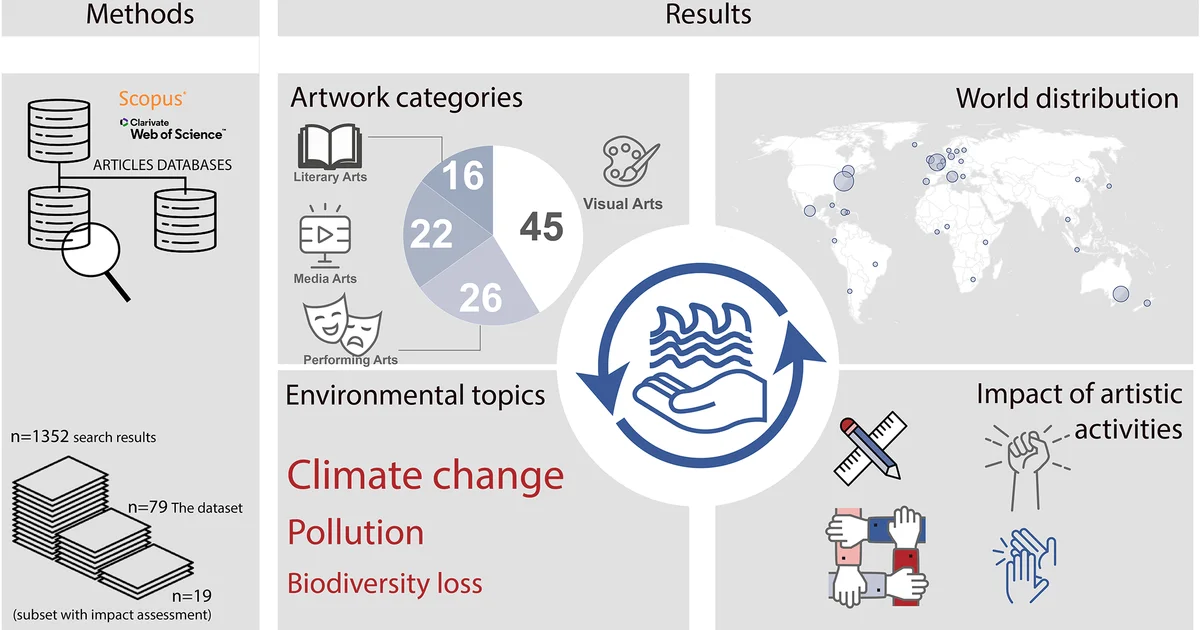
This systematic review explores the interplay between art and coastal and marine sustainability, addressing the question: What role does art play in these ecosystems? The significance of art transcends mere aesthetics; it engages emotions and fosters dialogue about pressing environmental issues, especially in the context of climate change and biodiversity loss. While 79 articles were included in the analysis, only 19 provided concrete assessments of their impacts, indicating that existing research is scattered and somewhat thin.
Art in Context of Sustainability
The concept of sustainability has evolved since its initial appearance in the 1970s, culminating in its adoption by the UN in 1987. This framework emphasizes the necessity for balanced development that caters to current needs without compromising future generations. Frameworks such as the Sustainable Development Goals (SDGs) underscore the importance of climate action and ocean health, which are directly linked to coastal and marine resources. Art can bridge the gap between scientific data and public engagement, offering new perspectives that traditional methods might not communicate effectively.
Classification of Artistic Practices
The review classifies artistic practices according to McCarthy et al.’s framework into four categories: performing, visual, media, and literary arts. Visual arts dominate the dataset, reflecting a wide array of forms from photography and sculpture to multimedia installations. Understanding the societal and cultural contexts in which these artworks are created is crucial, as artistic expressions often reflect local issues and values, encouraging community involvement.
Methodology of the Systematic Review
Following the PRISMA guidelines, a comprehensive literature search yielded a substantial number of articles, which were then screened for relevance. This rigorous process ensured that the selected studies authentically represent the role art plays in marine and coastal sustainability. The review highlights the diversity of artistic methods employed globally, though the majority stem from Europe and North America.
Engagement, Awareness, and Education
Findings reveal that engagement is the most frequently reported outcome of artistic interventions, closely followed by conservation, education, and management. The dataset illustrates that art serves primarily to enhance awareness and foster collaboration among diverse audiences, including children, communities, and scientists. The emotional impact of art often cultivates a sense of responsibility towards environmental stewardship, though quantifying such effects poses challenges.
International Distribution of Art Projects
Artistic initiatives related to coastal and marine issues are found globally but are concentrated more heavily in certain regions. This geographical bias may stem from language barriers in publication or funding disparities. Most artworks target local communities, where they can elicit immediate responses and foster localized environmental dialogues.
Conclusion
This review asserts that art has a multifaceted role in promoting coastal and marine sustainability, primarily through indirect means such as awareness-raising and community engagement. While direct contributions—like environmental artworks serving as artificial reefs—are limited, the aggregated evidence underscores the necessity of integrating artistic practices into broader sustainability initiatives. Future research should focus on measuring the effects of art on various audiences and evaluate best practices in harnessing its transformative potential for sustainability.