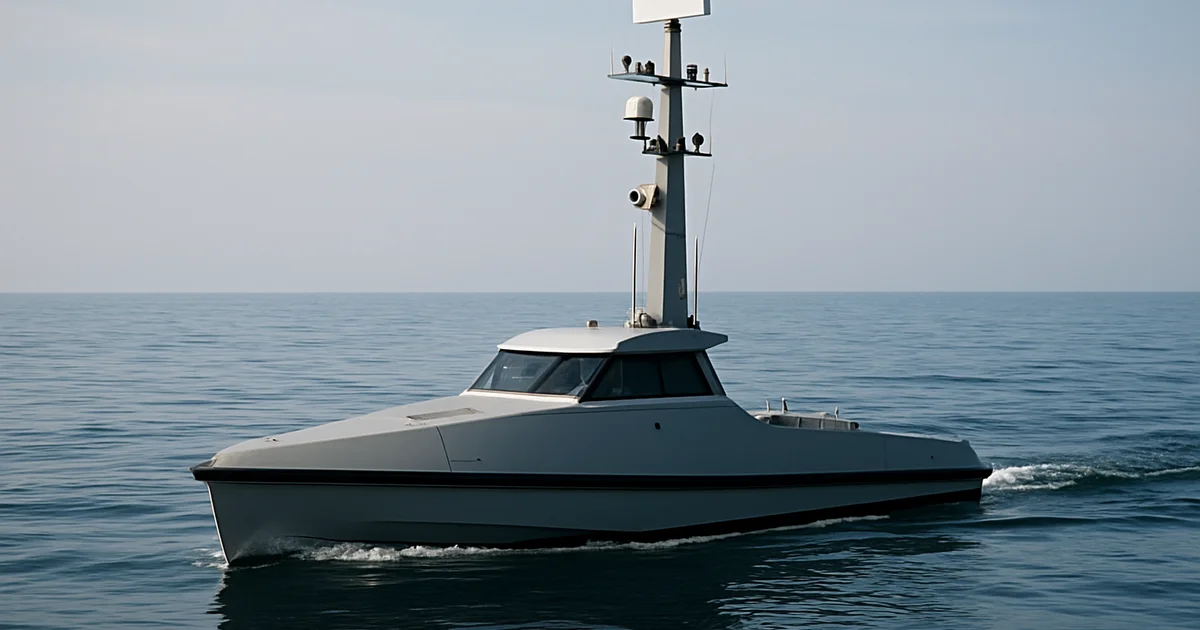
Autonomous vessel technology and AI-assisted ship management are changing the nature of maritime employment across Asia's shipping sectors. But the transformation is uneven, sector-specific, and slower than technology advocates tend to predict. For maritime workers across the region, the employment transition underway is more nuanced than either the optimist or the pessimist scenario suggests.
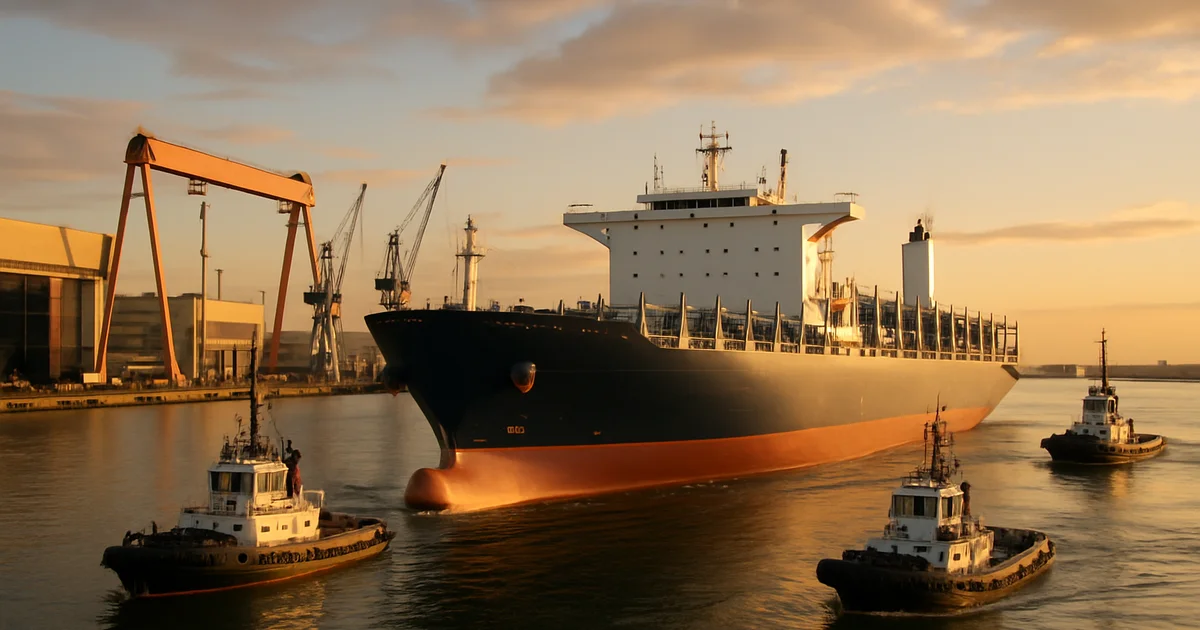
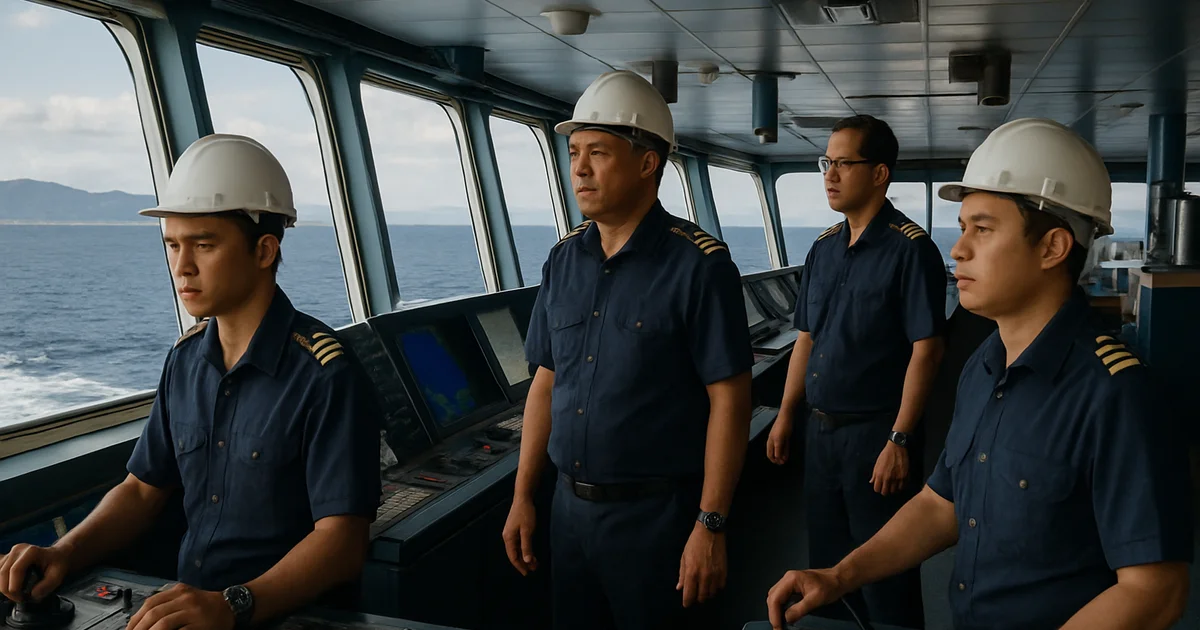
The roles most directly exposed to automation in the near term are not, for the most part, those that dominate Asian maritime employment. Deep-sea tanker and container vessel officers — the core of the Philippines' and Indonesia's seafarer export — require judgment, regulatory compliance capability, and situational awareness in complex conditions that current autonomous systems cannot reliably replicate.
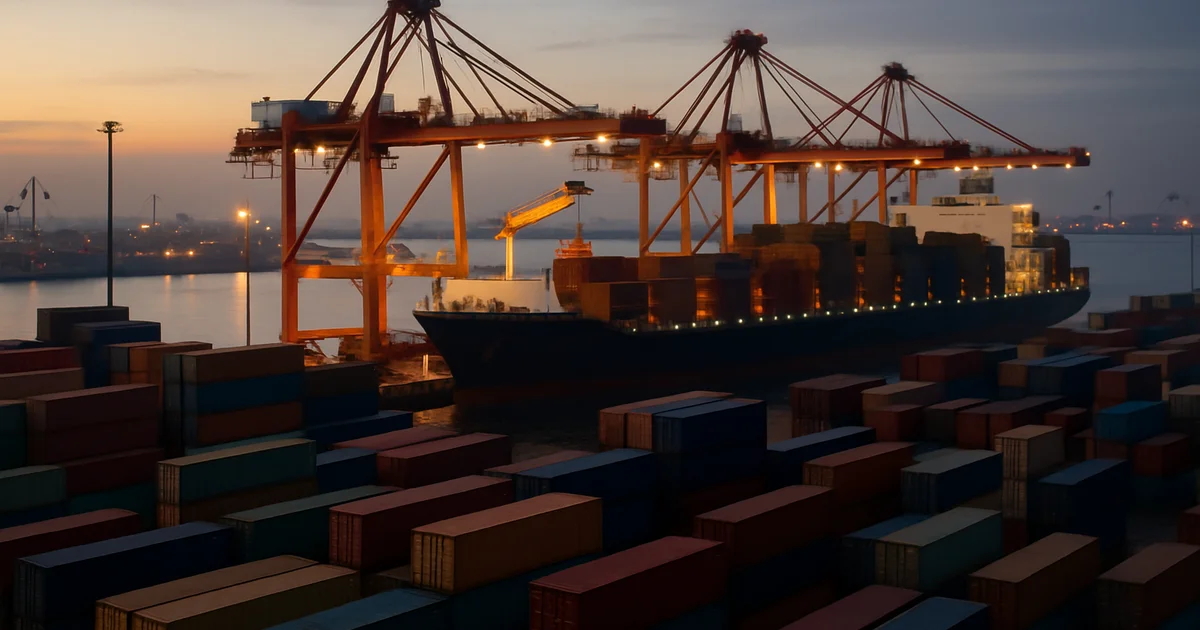
Where automation is displacing employment meaningfully in Asia's maritime sector is in port operations, cargo handling, and vessel monitoring. Automated straddle carriers and quay cranes are reducing operator headcount at container terminals in Singapore, Busan, Tanjung Pelepas, and Port Klang. Remote vessel monitoring centres operated by major ship managers in Singapore, Athens, and Tokyo are consolidating fleet oversight functions that were previously distributed across on-board officers.
The IMO's e-navigation framework and the expansion of vessel data monitoring through IoT sensor networks are creating a new category of maritime employment: the shore-based fleet performance analyst. This role combines maritime domain knowledge with data interpretation skills — it is a role for which Asia's maritime graduates are theoretically well positioned, but for which current maritime education programmes have not systematically prepared them.
Cybersecurity has become a genuine maritime employment growth area. The IMO's Maritime Cyber Risk Management guidelines have created demand for maritime cybersecurity professionals who understand both OT/IT system architecture and maritime operational contexts. Shipping companies, port operators, and classification societies are competing for a very small pool of people who have both skill sets.
ESG reporting and decarbonisation compliance are generating employment in maritime consulting, classification, and ship management. The EU's Emissions Trading System coverage of maritime, the Carbon Intensity Indicator ratings process, and the IMO's 2030 and 2050 decarbonisation targets collectively require ship operators to maintain compliance expertise that most smaller operators do not have in-house.
Why this matters
Asia's maritime workforce transition is not primarily a story of jobs disappearing. It is a story of jobs changing in ways that existing maritime education and training frameworks have not fully anticipated. The risk is a mismatch between the skills that maritime employment increasingly requires and the skills that Asian maritime graduates are acquiring.
For maritime training institutions, the curriculum implication is direct. Data literacy, cybersecurity fundamentals, alternative fuel technology, and ESG compliance awareness need to be integrated into maritime degree programmes. The institutions that do this first will position their graduates for the premium employment segments that are most resistant to automation displacement.
For governments in the region managing maritime labour policy, the transition requires active workforce development investment rather than regulatory maintenance of the status quo. Vietnam's structured cadet sponsorship partnerships with Japanese and South Korean shipping companies are a model worth examining.
For shipowners and fleet managers, companies that invest in upskilling programmes for their existing officers — particularly in data systems, alternative fuels, and cybersecurity — will reduce their exposure to the skills gap and build loyalty among officers who have options in an undersupplied market.