Seafarer mental health has moved from a welfare conversation to a commercial risk calculation. Across Asia's crewing markets, the evidence base for the operational cost of psychological distress at sea is growing — and insurers, port state control authorities, and a growing number of shipowners are beginning to treat it as a material risk factor rather than an HR afterthought.
The International Transport Workers' Federation's most recent seafarer survey found that more than 25 percent of respondents reported symptoms consistent with clinical depression, with Filipino, Indonesian, and Indian crews reporting the highest rates of psychological distress among Asian nationalities. Contract length, connectivity, and repatriation delays were cited as the primary drivers.
The operational consequences are not abstract. The UK P&I Club has documented a correlation between fatigue-related incidents and extended contract rotations that exceed nine months — a threshold routinely breached during port congestion events and post-pandemic repatriation backlogs. Human error remains the single largest contributor to marine casualty events; the pathway from untreated psychological distress to degraded situational awareness is well-established in occupational health literature.
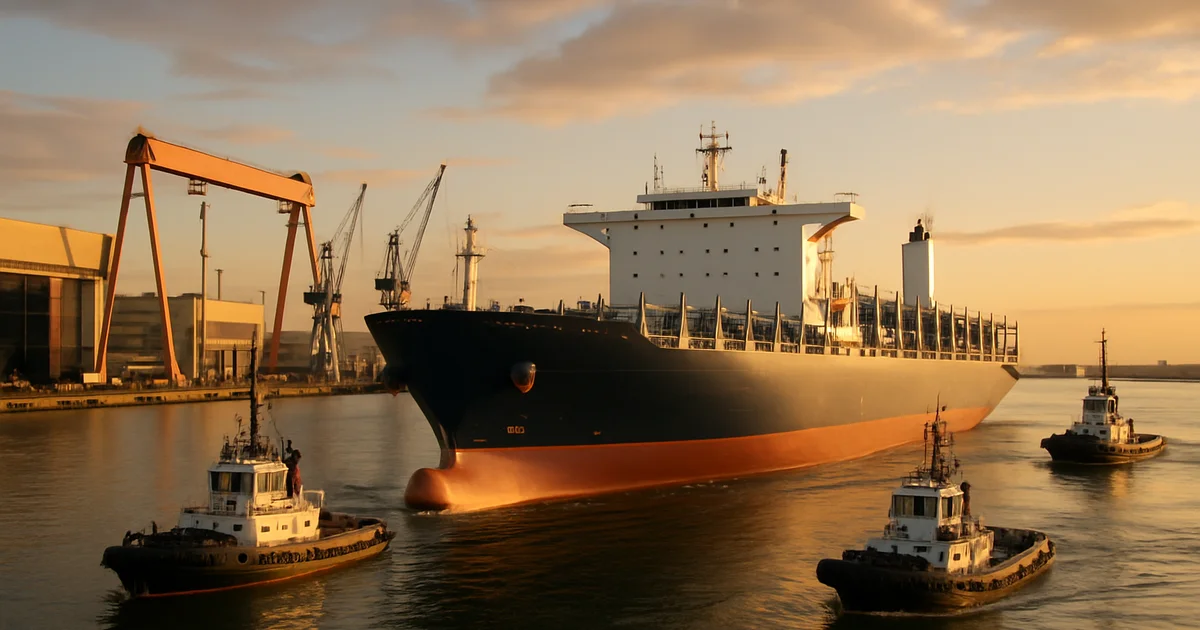
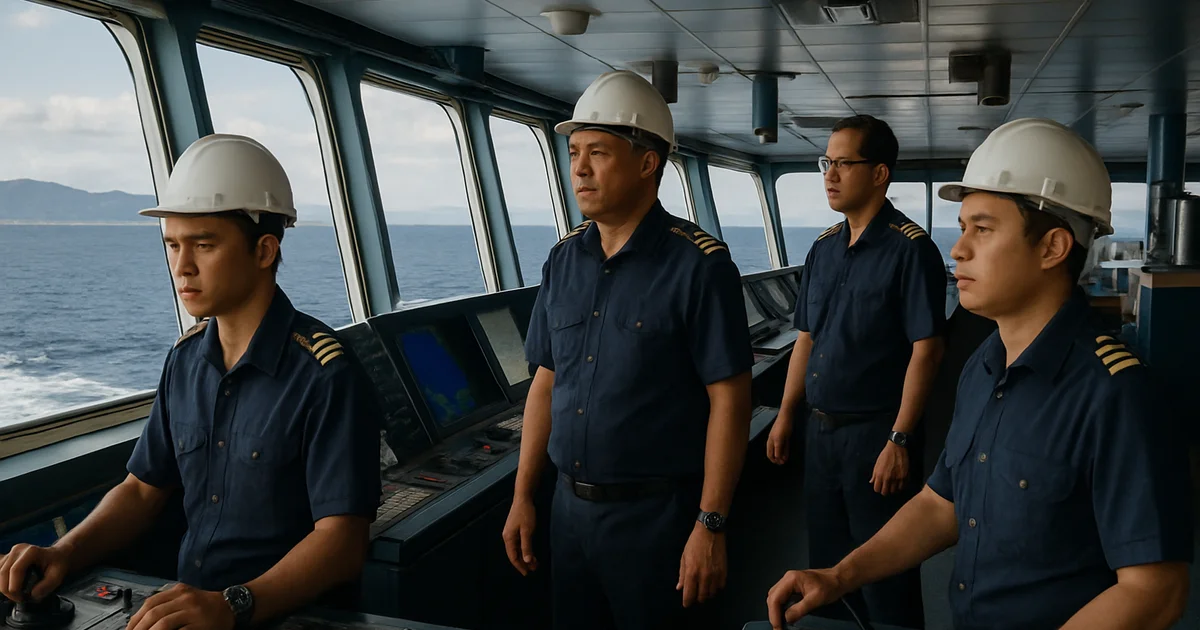
Container shipping's tight scheduling regimes have added to psychological load. Ultra-large container vessels with port turnaround times measured in hours leave bridge teams with minimal recovery periods between high-demand berthing and departure operations.
Connectivity has improved measurably on most commercial vessels, with satellite internet access now standard on the majority of deep-sea tonnage. Yet the mental health benefit of improved connectivity is partial. Crew members report that access to information about events at home — illness, financial strain, family difficulty — without the ability to respond or intervene creates a specific form of psychological distress that connectivity alone does not resolve.
Several P&I clubs have introduced seafarer assistance programmes offering confidential counselling access via satellite telephone. The Mission to Seafarers and the International Seafarers' Welfare and Assistance Network maintain port chaplaincy and welfare services across the region's major hubs, including Singapore, Manila, Busan, and Hong Kong.
Some shipowners in the Singapore and Hong Kong-managed fleet segment have begun embedding mental health awareness modules in pre-departure and on-board training programmes. A smaller number have piloted anonymous digital mood-tracking tools that aggregate crew sentiment data for review by fleet managers without identifying individual respondents.
Why this matters
The commercial case for seafarer mental health investment is now strong enough that it no longer depends solely on ethical argument. P&I insurance claims linked to crew-caused casualties, third-party liability from navigation errors, and the cost of crew replacement and repatriation following early contract terminations collectively represent a material cost line for vessel operators.
Insurers are beginning to treat crew welfare programmes as underwriting variables. Shipowners who can demonstrate structured welfare provision — including access to confidential psychological support, reasonable rotation cycles, and connectivity standards — are likely to see this reflected in future P&I and H&M pricing as data accumulates.
For crewing managers in Southeast Asia, the welfare gap also affects supply. Filipino and Indonesian crew are increasingly choosing to compare vessel employment conditions not just on salary, but on welfare provisions, rotation reliability, and repatriation track record.
The regulation is also moving. The Maritime Labour Convention's welfare provisions are under active review at the IMO level, with advocacy from unions and welfare organisations for mandatory minimum standards on crew psychological support.