Asia's maritime labour pipeline is fracturing. What began as a post-pandemic recruitment bottleneck has hardened into a structural governance failure, one that risks compounding as global fleet demand accelerates through the rest of this decade.
The numbers are blunt. The International Chamber of Shipping estimates a shortfall of more than 90,000 officers by 2026, with Asia — the primary supplier of global seafarers — bearing the heaviest attrition pressure. The Philippines, Indonesia, India, and Myanmar collectively crew a majority of the world's commercial fleet. Yet in each of these countries, the gap between maritime training output and deployable, competent officers is widening.
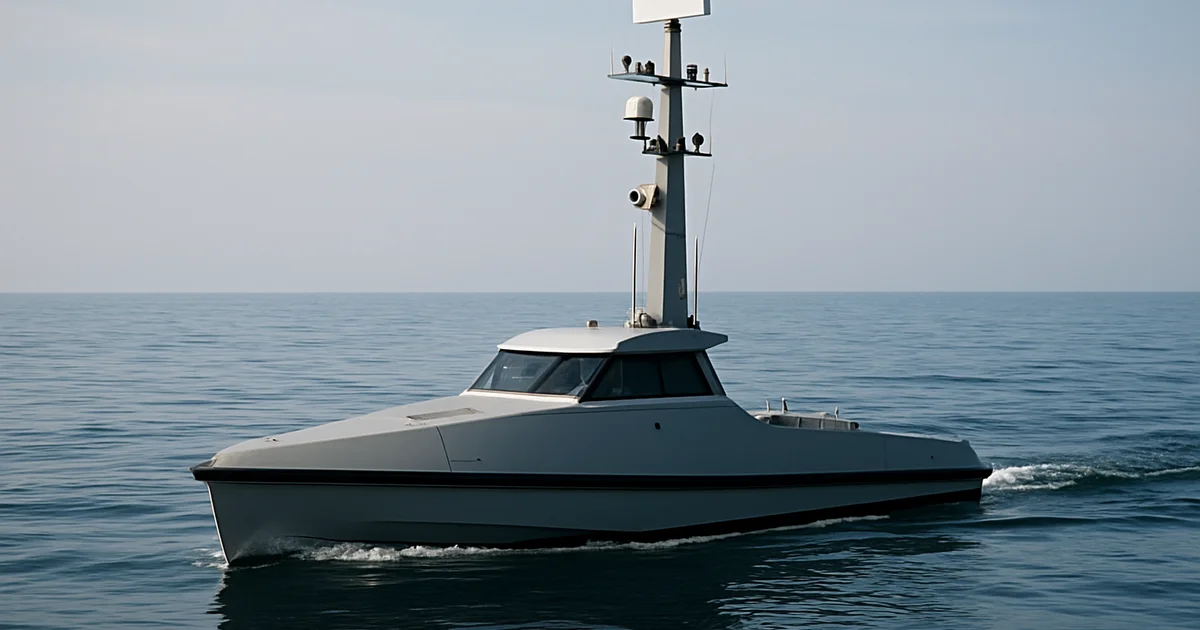
The deeper problem is institutional. Maritime training frameworks across Southeast Asia have not kept pace with the technical complexity of modern vessels. Liquefied natural gas carriers, ammonia-fuelled ships, autonomous navigation systems, and increasingly complex cybersecurity responsibilities now demand competency profiles that STCW certification cycles — designed for a different era — struggle to verify adequately. Flag states are endorsing certificates; they are not always endorsing competence.
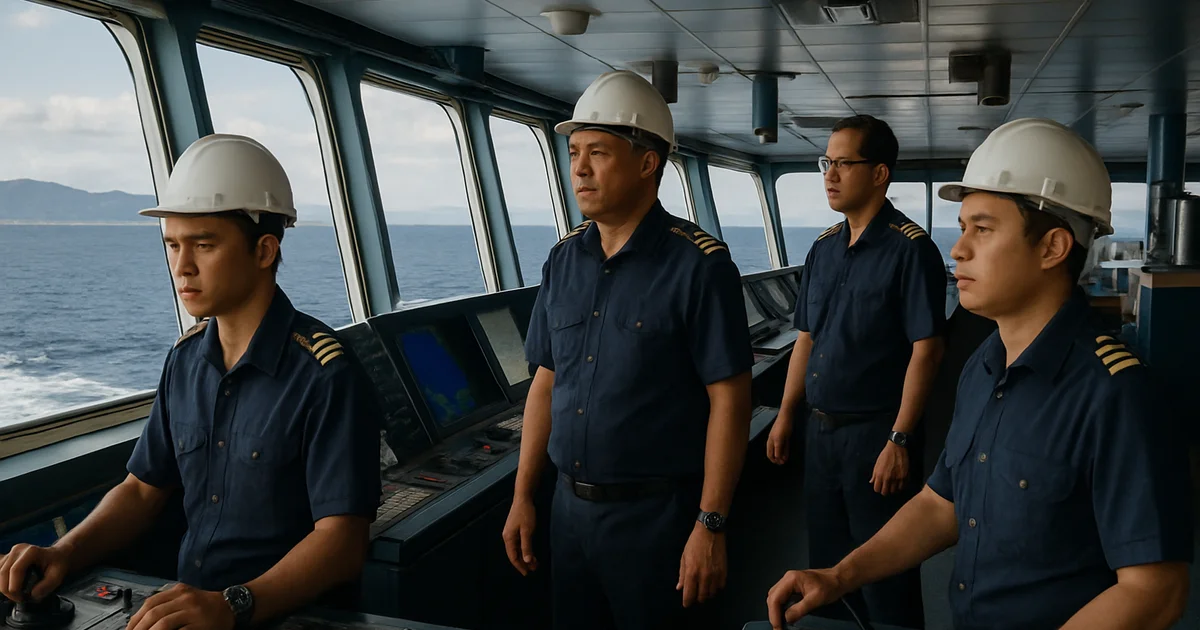
Manpower agencies and shipowners have adapted with workarounds — extending contract lengths, redeploying officers across vessel types they are not formally trained on, and accepting sub-optimal bridge and engine room compositions. These workarounds carry operational risk. They also mask the true severity of the shortage from regulators, because vessels remain technically crewed even when competency gaps are real.
The governance failure runs in multiple directions simultaneously. Port state control bodies flag deficiencies but do not aggregate the workforce data that would reveal systemic patterns. National maritime administrations issue training approvals but lack independent quality assurance mechanisms for practical assessments. Shipowner associations call for policy action but have not consistently pushed for transparency in crew qualification data at flag level.
Among crewing hubs, the Philippines MARINA and POEA have implemented reforms, including digital certificate verification and enhanced monitoring of training institutions. But enforcement capacity remains constrained, and the volume of certificates processed annually makes granular quality oversight difficult to sustain without additional resources.
Indonesia's crewing sector faces additional structural pressures. Domestic cabotage requirements under the Asas Cabotage principle incentivise Indonesian vessel operators to employ Indonesian crew — a policy objective with workforce development merit, but one that competes with the export of Indonesian officers to international shipping. The tension between these two incentives has not been resolved coherently at policy level.
Myanmar, once a significant supplier of engine room ratings and officers, has seen its maritime labour pipeline disrupted by political instability since 2021. Replacement supply from Vietnam and Cambodia has partially compensated, but neither country has yet produced officer cadres at the depth and experience level that Myanmar historically provided.
Why this matters
The seafarer shortage is not a human resources problem that shipping companies can solve through better recruitment marketing. It is a governance failure that requires coordinated intervention at flag state, port state, training institution, and international regulatory levels simultaneously.
For shipowners and operators, the near-term implication is continued upward pressure on officer salaries and contract premiums, particularly for dual-fuel and LNG-capable officers whose scarcity is acute. Budgeting assumptions built on historical crew cost inflation rates are likely to be significantly understated for the 2027–2030 period.
For maritime training institutions and national maritime administrations in Southeast Asia, the window to establish differentiated, high-credibility training programmes is open now. Countries that invest in practical competency assessment frameworks, simulator capacity, and international accreditation partnerships will be positioned to supply the premium crew segments that modern vessels increasingly require.
For the IMO, the seafarer shortage is a stress test of whether STCW's periodic review cycle is structurally capable of responding to the pace at which vessel technology is evolving. Accelerated competency framework reviews, particularly for alternative fuel vessels and cyber-enabled navigation systems, are overdue.
Shipping's workforce crisis is, at its core, a crisis of institutional design. Resolving it will require governance reform, not just recruitment campaigns.