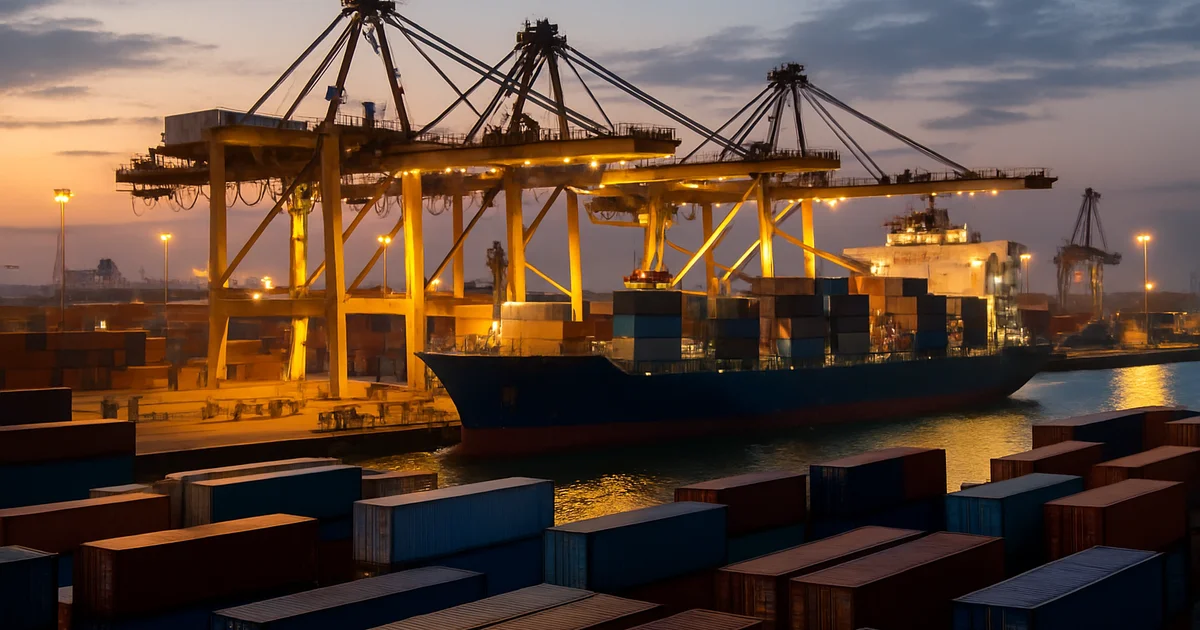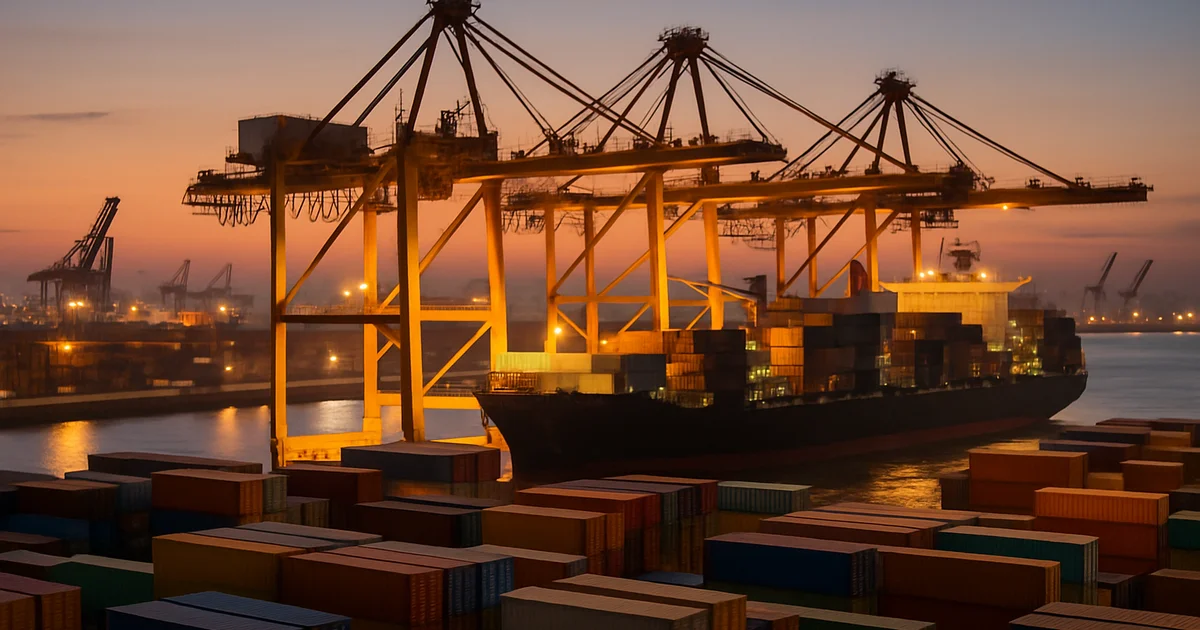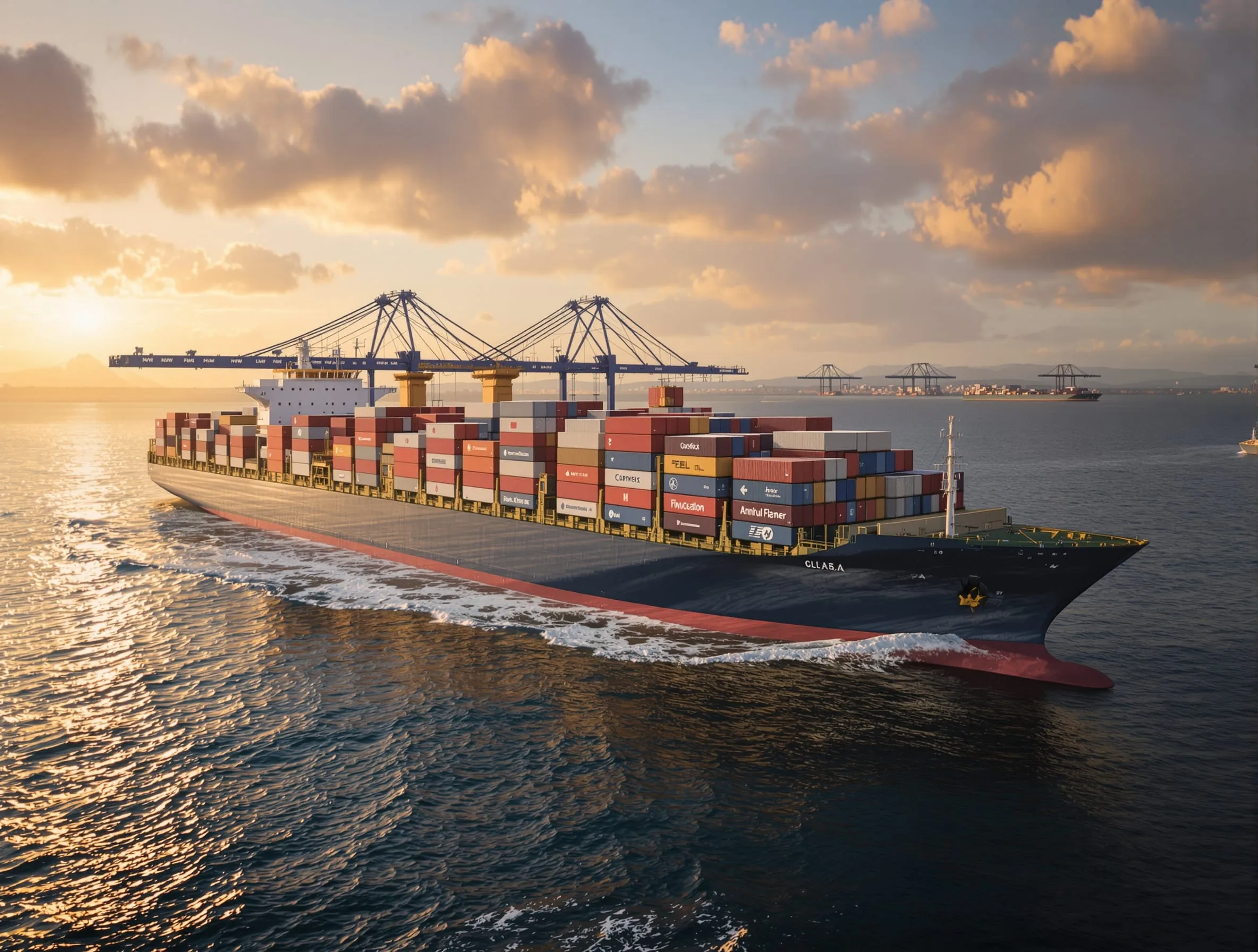
The maritime industry is witnessing transformative shifts, driven by advances in technology and changing global trade patterns. Key developments include the rise of autonomous shipping, widespread digitalisation, and the expansion of sustainable practices, all of which are fundamentally altering the operational landscape for shipping companies and stakeholders.
Autonomous Shipping Gains Traction
Autonomous vessels are moving from the drawing board to operational reality as shipping companies explore their potential for reducing crew costs, increasing safety, and enhancing efficiency. These ships leverage advanced sensors, artificial intelligence (AI), and remote-control systems to operate with minimal human intervention. Leading the charge is Norway’s Yara Birkeland, the world’s first fully electric and autonomous container ship, which has begun operations. Pilot projects and partnerships between major shipping lines and technology firms underscore the industry's push toward developing autonomous navigation systems.
Digitalisation Drives Operational Efficiency
Digital transformation is reshaping the industry across logistics, cargo handling, and vessel operations. Among the most impactful innovations are blockchain technology, which ensures secure and transparent record-keeping for cargo tracking and transactions; Internet of Things (IoT) sensors that provide real-time insights into vessel performance, environmental conditions, and freight status; and AI algorithms that optimize fuel efficiency, route planning, and demand forecasting. Additionally, smart shipping platforms are automating documentation and enabling predictive maintenance, paving the way for streamlined supply chains.
New Technologies Push Sustainability Forward
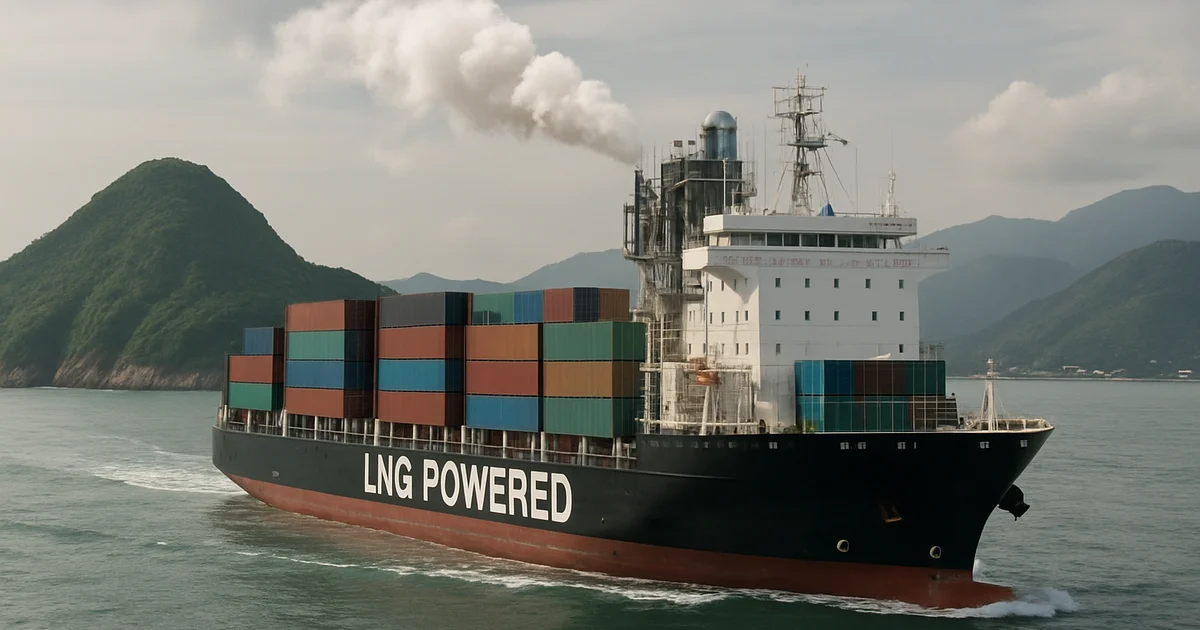
The drive for sustainability is accelerating, with alternative fuel solutions and energy-efficient designs gaining footholds in the shipping industry. Many vessels are transitioning to cleaner fuels like liquefied natural gas (LNG), biofuels, and hydrogen to reduce greenhouse gas emissions. Furthermore, innovations in hull form and propulsion systems are cutting fuel consumption significantly. These green technologies align with tightening regulatory mandates designed to curb the environmental footprint of global trade.
Changing Trade Routes and Emerging Markets
Shifting trade routes and the growth of new markets are redefining global shipping corridors. Melting Arctic ice has increased access to the Northern Sea Route, slashing transit times between Asia and Europe. However, navigation remains fraught with risks stemming from harsh weather and ice hazards. In Africa and Southeast Asia, regional economic growth is prompting port expansions in locations such as Nigeria, Kenya, and Vietnam. Moreover, initiatives like the African Continental Free Trade Area (AfCFTA) are cultivating intra-regional shipping opportunities in Africa.
Infrastructure developments are also reshaping trade flows. Upgrades to the Panama Canal and Suez Canal now accommodate larger vessels, strengthening connectivity between the Americas, Europe, and Asia. Container shipping and bulk cargo traffic have benefitted from this increased efficiency, while the rise of e-commerce is fueling demand for closer port hubs to support integrated last-mile delivery solutions.
Why this matters
The adoption of advanced technologies, such as autonomous ships and blockchain platforms, is set to redefine industry benchmarks for safety and operational efficiency. Shipowners and operators integrating these mechanisms could gain cost advantages while meeting tightening regulations. Similarly, the push for alternative fuels and energy-efficient designs must be considered by stakeholders aiming for long-term compliance with global emissions standards.
Shifting global trade routes, driven by climate change and infrastructural advancements, present both opportunities and challenges for maritime operators. The Northern Sea Route may facilitate faster transit but requires significant investments in ice-class vessels. Meanwhile, emerging markets in Africa and Southeast Asia, along with expanded canal capacities, can diversify shipping portfolios but demand strategic port infrastructure adjustments.
The growing importance of e-commerce and regional logistics hubs underscores the need for supply chain integration across maritime, land, and air transport. Providers that invest in multimodal transport innovations may capture a growing share of this lucrative market.
Operators should monitor technological advances, regulatory changes, and economic shifts closely to remain competitive in a rapidly evolving maritime landscape. Decisions in 2024 and beyond will be shaped by the intersection of innovation, sustainability, and trade corridor realignments across the sector.