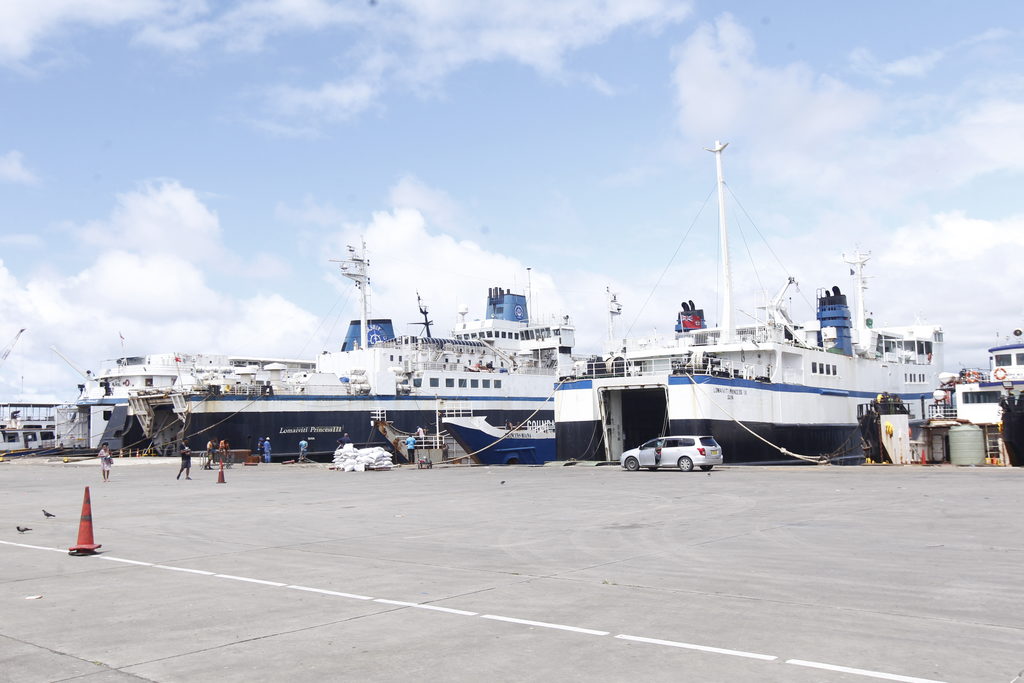

In 2025, the prevalence of piracy and sea robbery in Asia saw a significant increase, with a total of 127 reported incidents by December 10, compared to 107 incidents in 2024. This marks 2025 as the year with the highest recorded annual total in recent times, reversing the trend of relative stability seen in previous years. The annual totals for prior years were 101 incidents in 2023, 84 in 2022, 82 in 2021, and 97 in 2020. Although these figures remain considerably lower than the 2015 peak of 203 incidents, the upward trend in 2025 highlights increasing risks for maritime vessels, particularly along busy Asian trade routes.
The bulk carrier category was the most frequently targeted, with over 50 incidents reported. These vessels typically engage in lengthy and predictable routes through the Singapore Strait, which allows attackers to board rapidly and exploit the limited deck watch resources available. In addition to bulk carriers, attacks were also reported on tankers, container ships, and tugboat-barge combinations. Notably, tug and barge units carrying scrap metal were prevalent targets due to their lightly manned status and unsecured cargo, making them attractive for opportunistic theft.
The Straits of Malacca and Singapore were the primary hotspots for piracy and sea robbery, accounting for the majority of incidents. Thousands of commercial vessels transit this narrow waterway every month, creating a consistent target environment for criminal groups that utilize small boats to approach and board slower-moving ships, primarily during the night. Other areas, including anchorages in Bangladesh, India, Vietnam, Malaysia, Indonesia, and the Philippines, witnessed lower-intensity incidents primarily characterized by opportunistic thefts of unsecured items like engine spares, tools, and cables.
Most incidents in 2025 were classified as non-violent boardings, with the overwhelming majority falling into Categories 3 and 4, which comprised 92% of the total. These incidents typically involved small, often unarmed groups that quickly evaded capture after detection.
The increase in maritime crime can be attributed to multiple interrelated factors: dense vessel traffic, predictable navigation routes, operations during nighttime, and insufficient manning on certain vessels. The combination of these elements creates favorable conditions for criminal activity, particularly in constrained waterways such as the Singapore Strait. Additionally, socioeconomic pressures in surrounding coastal communities, easy access to small boats, and the commercial value of stolen ship equipment act as further incentives for these opportunistic crimes.
The surge in 2025 serves as a crucial reminder that despite advancements in enforcement and regional cooperation, maritime crime continues to evolve. Maintaining vigilance is essential for vessels operating in Asia’s pivotal sea lanes, ensuring safety along these increasingly dangerous routes.
Source link