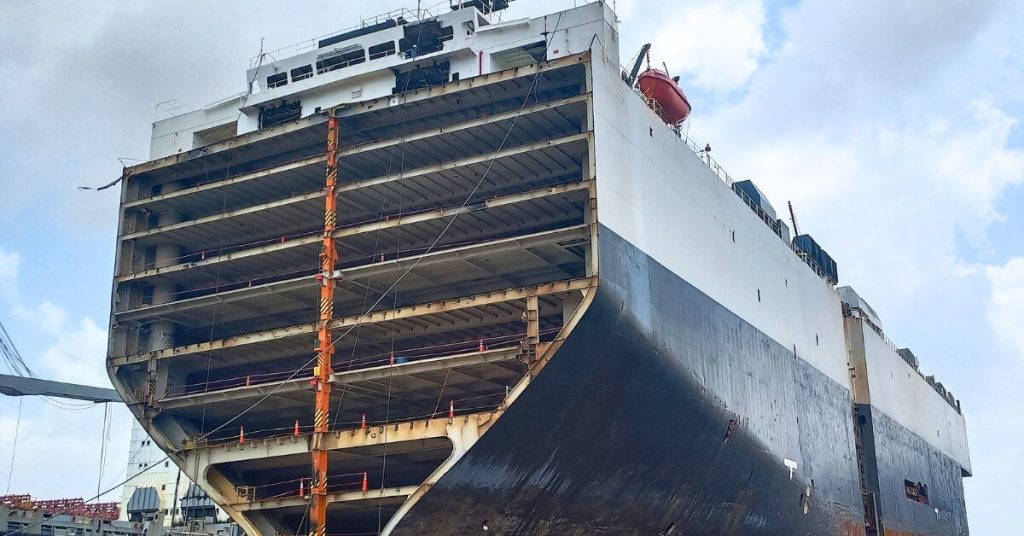
The NGO Shipbreaking Platform’s annual report reveals alarming trends in the global shipbreaking industry for 2025. A staggering 85% of the world’s scrapped vessels were dismantled on three beaches in South Asia—Bangladesh, India, and Pakistan—despite severe concerns regarding worker safety and environmental degradation. Out of 321 vessels dismantled globally, 214 were processed in these South Asian countries, which remain favored due to lax regulations and lower operational costs.
Tragically, eleven fatalities were reported among workers in South Asia during shipbreaking activities in 2025, and an additional sixty-two workers sustained injuries linked to unsafe practices. Notably, a catastrophic incident at Ziri Subedar yard in Chattogram saw an oil tank explosion injuring eight workers involved in the dismantling of the Banglar Jyoti, owned by the Government of Bangladesh.
While Bangladesh has approved seventeen shipbreaking yards under the International Maritime Organisation’s Hong Kong Convention (HKC), accidents still occur, raising concerns about the rigorousness of compliance and transparency in incident reporting. India, on the other hand, operates over 100 shipbreaking yards in Alang-Sosiya that hold private Statements of Compliance with HKC, though none are officially recognized under its stipulations.
Ingvild Jenssen, Executive Director of the NGO Shipbreaking Platform, argues that without a serious overhaul of the HKC, including measures to eliminate the dangerous beaching method, the industry will continue to endanger lives and ecosystems. Jenssen emphasizes the need for strengthened enforcement of international regulations, particularly the Basel Convention’s restrictions on hazardous waste trade.
The current market conditions are masking a growing backlog of aging vessels, which are expected to line up for scrapping as operating rates begin to decline. Notably, many of these vessels belong to the so-called “dark fleet,” often traded illicitly to evade sanctions and safety regulations, utilizing methods like cash and cryptocurrency transactions.
The report also highlights the complicity of several nations, with China topping the list by selling 21 vessels to South Asian breakers, although it has the capacity to recycle ships domestically. South Korea and the UAE follow closely as significant contributors to unsafe shipbreaking practices. Despite the introduction of new UAE regulations prohibiting the export of vessels for beaching, many continue to bypass these laws.
A focus on corporate accountability emerges, spotlighting Greek shipping magnate Vangelis Marinakis as the “Worst Corporate Dumper” for allegedly profiting from selling toxic ships to vulnerable communities in Bangladesh. Investigations expose a systemic pattern of evading EU regulations and externalizing the environmental costs of dismantling ships.
Notable shipping companies, including Norwegian Green Reefers and Cypriot Louis PLC, also bear responsibility for sending their end-of-life vessels to South Asia, contributing to a toxic legacy that affects both workers and the environment. New recommendations from the International Association of Oil & Gas Producers urge its members to reject beaching and intermediaries like cash buyers.
The intricate dynamics of the shipbreaking sector highlight widespread regulatory loopholes, with flags of convenience and layered ownership structures complicating enforcement. The end-of-life phase for vessels is risky for environmental violations, making it crucial for authorities to tighten regulations and ensure safe recycling practices.
Turkey is emerging as a notable destination for end-of-life vessels, albeit facing scrutiny for regulatory failures. Calls for the EU to reassess and potentially revoke the approvals of Turkish yards are gaining momentum after accidents and illegal waste dumps were uncovered in the region.
As the global economy transitions towards clean industries, focus is shifting to the role of maritime secondary steel in decarbonizing various sectors. The need for safe, compliant recycling practices intensifies, presenting opportunities to reduce environmental damage while retrieving valuable materials from decommissioned vessels.
Original publication date: [original_date]