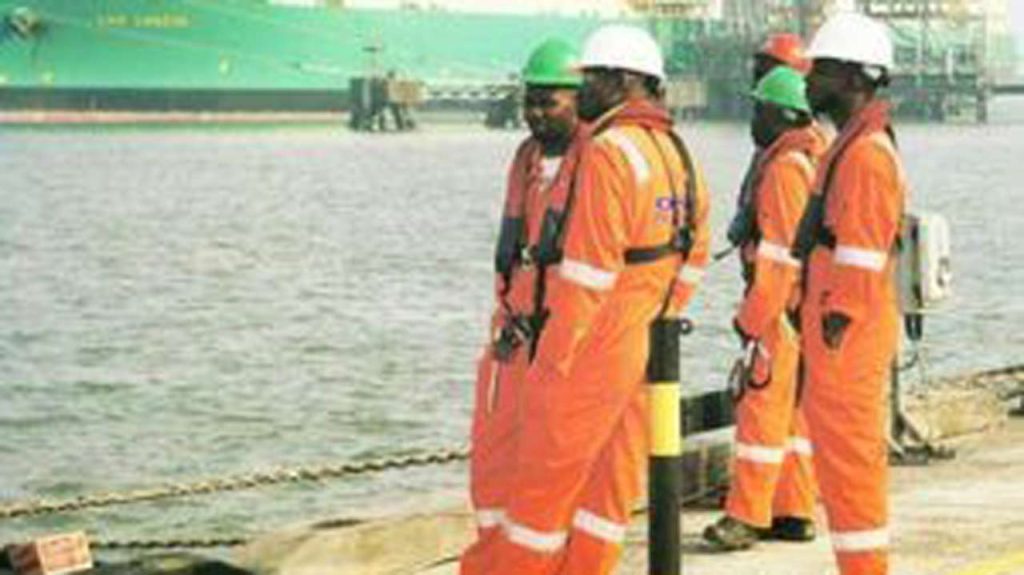
In her analysis, Adaku Onyenucheya highlights Nigeria’s absence from the list of top seafarer-supplying countries despite its strategic coastal position along the Gulf of Guinea, which includes over 850 kilometers of coastline. According to the 2023 BIMCO/ICS Seafarer Workforce Report, the Philippines, China, and India dominate the global seafarer supply chain, contributing a combined total of over 1.3 million crew members. The Philippines alone boasts 550,000 seafarers, making up over 35% of the world’s merchant fleet, and has significantly bolstered its economy through remittances, totaling $6.14 billion in 2020.
In stark contrast, Nigeria has fewer than 8,000 active seafarers, falling behind not only larger maritime nations like Indonesia (140,000) and Russia (110,000) but also smaller countries such as Myanmar and Vietnam. This disparity is attributed to Nigeria’s systemic challenges in maritime education and training. While global competitors invest in robust maritime education and align national policies to support the sector, Nigeria faces obstacles such as inadequate sea-time opportunities, poor regulatory enforcement, and underfunding of local maritime institutions.
The Nigerian Maritime Administration and Safety Agency (NIMASA) has initiated programs like the Nigerian Seafarers Development Programme (NSDP), aiming to train cadets abroad, but has struggled with implementation due to the aforementioned systemic issues. The lack of internationally recognized certifications for Nigerian seafarers, particularly for Certificates of Competency (COCs) for ocean-going vessels, severely limits their competitiveness. This inadequacy is exacerbated by the poor state of maritime training institutions in Nigeria, lacking vital resources such as simulators for practical training.
Charles Okerefe, a lecturer at the Nigerian Maritime University, emphasizes the inefficiencies in training where funds allocated to abroad training could be better utilized to develop local capacity through acquiring training vessels and simulators. He shared instances of Nigerian cadets stranded in foreign ports without necessary sea time, undermining the training purpose.
Abdulkadir Ahmed, Managing Director of NLNG Shipping and Marine Services Limited, points out that while Nigeria has recognition for near-coastal operations, the challenges surrounding COCs need urgent attention to assure quality. He notes that collaborative efforts with institutions like the Maritime Academy of Nigeria have seen improvements but highlights the need for a systematic overhaul in accreditation processes and infrastructure.
Minister of Marine and Blue Economy Adegboyega Oyetola acknowledged ongoing efforts to bolster the maritime workforce’s welfare and training opportunities. However, experts contend that Nigeria must adopt a more strategic and unified approach to realize its potential as a major seafarer-supplying nation, akin to its counterparts in Asia. By addressing these critical gaps in maritime education, certification, and infrastructure, Nigeria could leverage its vast economic potential and enhance its position in the global maritime industry.
Source link