
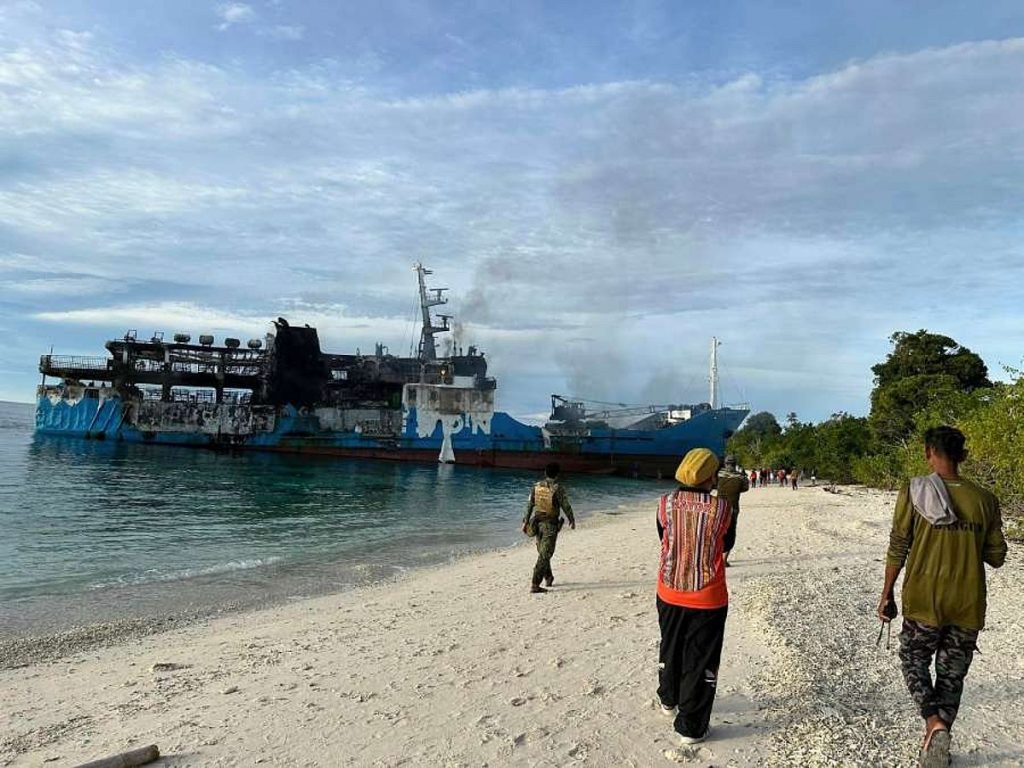
In 2023, ferry passenger numbers have rebounded significantly, aligning closely with pre-Covid-19 levels, following substantial increases from the lows of 2020 to 2022. This resurgence in passenger traffic may be a contributing factor to the rise in fatalities associated with ferry travel during the year. Despite these alarming statistics, there are notable successes in safety improvements from several nations that were historically high in ferry-related casualties.
Countries such as the Philippines, Bangladesh, China, Indonesia, and India have demonstrated remarkable progress in reducing their ferry death tolls. In particular, China and the Philippines have set a strong example by effectively implementing sensible regulations, investing in education, and enforcing safety measures rigorously. Such comprehensive approaches to ferry safety have resulted in a marked decline in fatalities, showcasing the effectiveness of policy and regulation when adequately prioritized.
Moreover, Indonesia, India, and Bangladesh have recently shown consistent improvements in their ferry safety records, indicating a regional trend towards better safety practices. This collective improvement among nations that previously struggled with high mortality rates on ferries highlights a significant shift in how these countries approach maritime safety.
The contrast between rising passenger numbers and falling fatalities in these nations suggests that focused efforts in safety regulation, public education, and enforcement can lead to safer ferry travel, even as demand grows. The situation illustrates a dual narrative: while the overall increase in ferry passengers in 2023 has led to a rise in incidents, the effective measures adopted by certain countries have proved that improvements in safety are achievable.
Ultimately, the experiences of these nations underscore the importance of maintaining a strong regulatory framework, implementing educational initiatives, and ensuring consistent enforcement of safety protocols to protect passengers as ferry travel continues to recover post-pandemic. These efforts can serve as a model for other countries aiming to enhance their maritime safety standards in the face of increasing demand.
Source link