Nigeria’s maritime industry faces a significant crisis due to an untapped seafaring workforce, which presents a major missed opportunity for economic growth. Despite having a large coastline and substantial maritime traffic, Nigeria lags behind smaller countries that effectively export their seafarers, such as the Philippines, India, and Ghana. These nations have harnessed their maritime capabilities to generate billions in remittances, while Nigeria continues to accumulate debt for infrastructure without fully utilizing its human resources.
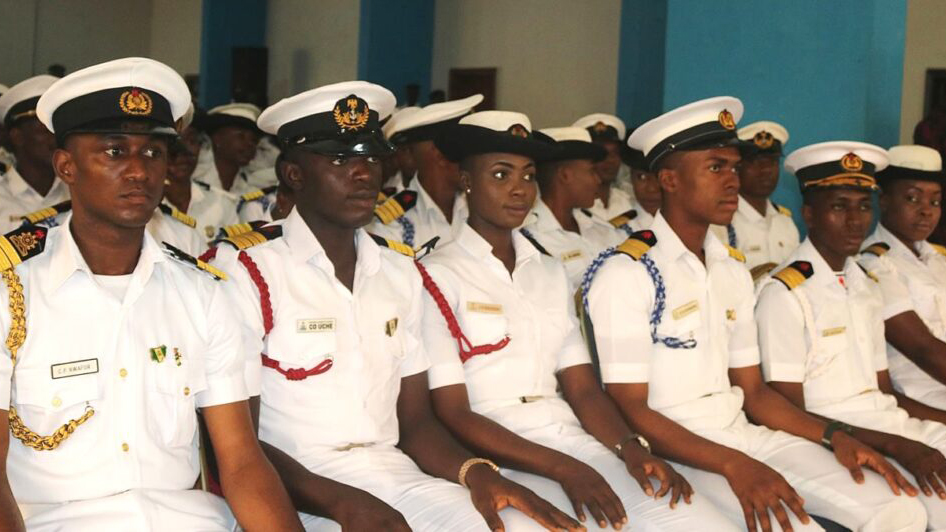
With thousands of trained but unemployed seafarers, Nigeria’s maritime training institutions like the Maritime Academy of Nigeria (MAN) produce many cadets who struggle to gain the required onboard experience—referred to as sea time—critical for certification and global employability. The National Seafarers’ Development Programme (NSDP) has also left many trained seafarers without employment opportunities, highlighting a glaring mismatch between training and available jobs.
The statistics revealing Nigeria’s crisis are alarming: only 78,000 of the approximately one million certified seamen globally hail from Africa, with Nigeria contributing a mere fraction. Challenges like a lack of a national fleet, limited ocean-going vessels, bureaucratic hurdles surrounding the Cabotage Vessel Financing Fund (CVFF), and poor collaboration between institutions inhibit the growth of the local maritime sector. Prof. Alfred Oniye points out that thousands of trained seafarers remain stranded on land, showcasing a profound waste of resources.
Industry leaders have raised concerns about the dwindling number of active Nigerian seafarers, which has decreased by nearly 40% between 2015 and 2023. Captain Ladi Olubowale warns that Nigeria could face a shortfall of 96,000 trained maritime professionals by 2026, jeopardizing the nation’s position in the global maritime landscape.
Contrastingly, countries like the Philippines export over 400,000 seafarers and earn between $6 to $7 billion annually from remittances. Their success is attributed to robust ecosystems of training and international partnerships that elevate their maritime workforce. India’s strategic initiatives, such as the Sagarmala Project, further demonstrate how policies can revamp maritime sectors to enhance domestic maritime capabilities and ship ownership.
Nigeria has a historical precedent of maritime success, with the now-defunct National Shipping Line employing thousands of Nigerians in the past. The recent creation of the Ministry of Marine and Blue Economy points to potential progress; however, Nigeria’s maritime sector currently contributes less than 0.1% to GDP, with experts estimating its potential could reach $44 billion if harnessed effectively.
Strategic recommendations for Nigeria include enforcing Cabotage Laws to prioritize local vessels and crew, facilitating sea time programs with global shipping lines, and revitalizing the domestic fleet through public-private partnerships. Dr. Eugene Nweke emphasizes that there must be tangible actions rather than just policy papers, urging for operationalizing the CVFF and aligning maritime policies with broader economic goals.
In conclusion, Nigeria’s seafaring workforce represents an underutilized asset with immense potential for economic uplift. By addressing structural challenges, enhancing training-to-employment pipelines, and fostering a conducive regulatory environment, Nigeria could significantly boost its maritime economy and transform seafaring into a vital national export.