In 2025, Vietnam’s maritime landscape has showcased both peril and heroism, particularly through the efforts of the Vietnam Maritime Search and Rescue Coordination Center (VM-SARCC). Throughout the first eleven months, VM-SARCC managed 224 sea emergencies, rescuing over 970 individuals, with a significant number being Vietnamese along with a sprinkling of foreigners. November proved to be particularly intense, with 33 distress reports leading to direct involvement in 30 rescue operations. Notably, fishing vessels were predominantly involved, which underscored ongoing issues within the sector.
Many of these fishing boats are aging, poorly maintained, and lack essential safety equipment, exacerbating the risks at sea. Experts point out that many vessels operate outdated machinery without regular inspections and that seafarers often lack necessary training and knowledge for effective emergency responses. This combination of factors contributes significantly to maritime accidents, revealing vulnerabilities in both ships and their crews.
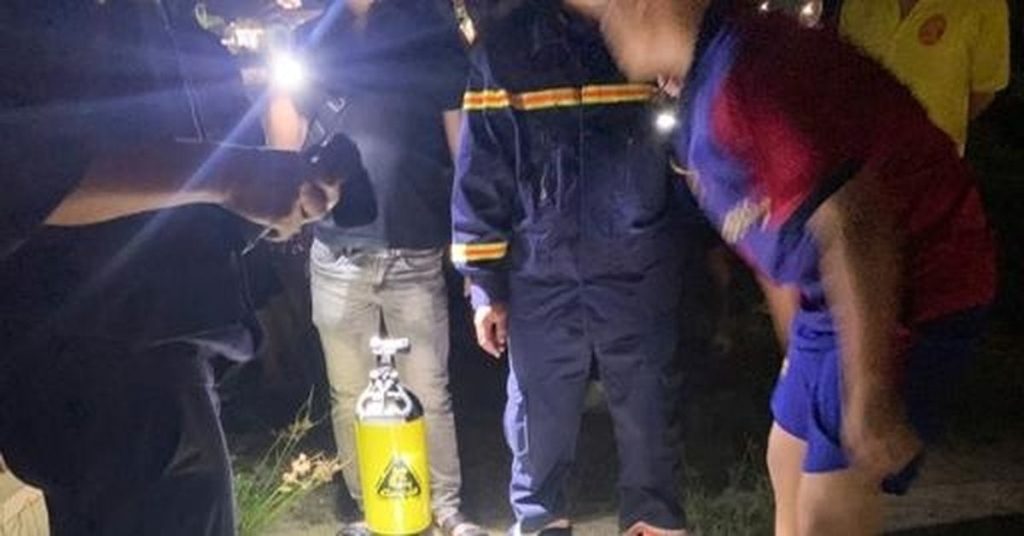
Furthermore, extreme weather events have heightened the dangers faced by those at sea and added complexity to rescue operations. Increased frequency and severity of typhoons, sudden storms, and unpredictable currents contribute to significant human and material losses, particularly for coastal communities. The inland tragedies are also alarming, as highlighted by recent incidents, including the capsizing of a small boat on the Ha Thanh River that led to the tragic drowning of a 14-year-old boy. This prompted local authorities to stress the importance of water safety, especially among children.
Despite these challenges, there are stories of resilience and solidarity within local communities. For example, a fisherman whose boat capsized was rescued after a passing cargo ship spotted him in dire straits. This incident reflected the collaborative efforts of local fishermen and rescue teams in dangerous conditions, emphasizing the community’s determination to help one another.
As the year progresses, discussions surrounding water safety have become increasingly urgent in Vietnam. Authorities are advocating for the outfitting of boats with proper safety gear, regular inspections, and training for all sea-goers in emergency response strategies. Moreover, there is a growing awareness of the necessity to educate families about the risks associated with water play, particularly in light of recent tragedies involving children.
The tireless work of Vietnam’s search and rescue forces highlights both the dangers and resilience along its rivers and coasts. Their efforts have saved numerous lives and fostered a spirit of solidarity, yet the recurring tragedies serve as vital reminders of the need for vigilance, preparedness, and community support in the face of nature’s unpredictability. These themes stand front and center as communities seek to navigate the balance between maritime activities and safety.
Source link