
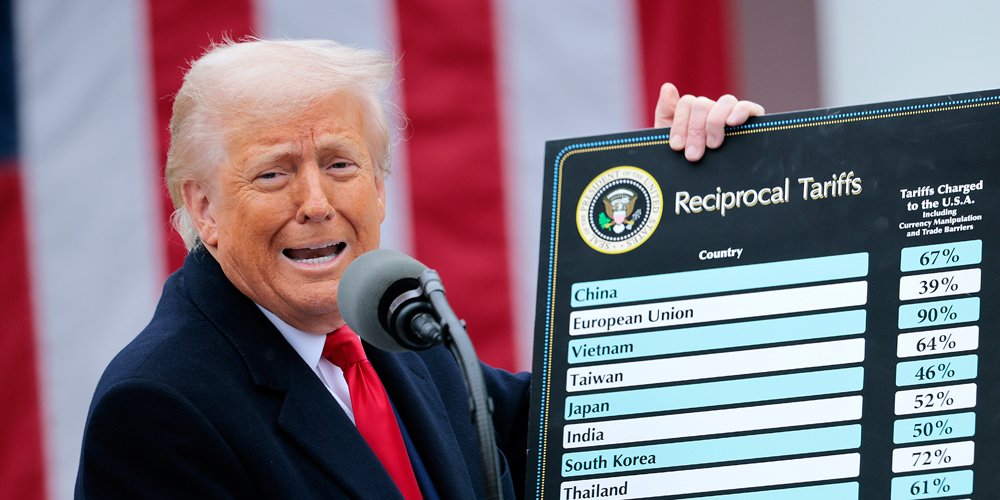
Temu, a Chinese bargain retailer, is undergoing significant changes in its U.S. operations, particularly in response to tariffs implemented during the Trump administration. Notable adjustments include shifting its website to feature only products that ship from U.S.-based warehouses, effectively marking items shipped directly from China as out of stock.
Temu rose in popularity within the U.S. by offering heavily discounted products, such as $5 sneakers, due to the de minimis rule. This rule had allowed items valued at $800 or less to enter the U.S. duty-free since 2016. However, this loophole expired on May 2, 2023, following an executive order by President Trump, which the White House tied to efforts against the import of synthetic opioids.
With the de minimis rule’s termination and the introduction of new tariffs—ranging up to 145%—Temu was compelled to raise its prices, adjust its product offerings, and suspend its advertising campaigns. A spokesperson for the company confirmed that U.S. sales are now exclusively managed by local sellers, whose products are fulfilled domestically. Temu aims to support local merchants in expanding their customer base while ensuring that pricing for U.S. shoppers remains consistent.
Previously, customers ordering products from China faced significant import charges, sometimes upward of 150%, effectively doubling the cost of many purchases. In contrast, Temu’s local offerings come without these import fees, simplifying the purchasing process for consumers.
Competitor Shein, which also benefited from the same previous loophole, has similarly adjusted its pricing strategy in light of the tariff changes. Shein has made it clear to its customers that tariffs can be found included in their prices, eliminating unexpected extra charges upon delivery.
As Temu adapts its business strategy to navigate these new regulations, it illustrates the broader impact of trade policies on e-commerce platforms dependent on international shipping. The company’s focus on local fulfillment and partnerships may bolster its presence in the U.S. market, while also aligning with the current governmental landscape that seeks to reduce reliance on overseas goods.